Table of Contents
- The short answer: the best time to visit Portugal
- Portugal seasons at a glance
- Average temperatures in Portugal by season
- Best months by trip type
- Portugal weather by month: a practical planning guide
- Best time to visit Portugal by region
- When not to visit Portugal
- How far ahead to book
- How Travel-Luck helps choose the best time to visit Portugal
- FAQ
- Conclusion
The best time to visit Portugal for most travelers is April, May, September, or October, when the weather is comfortable, crowds are lighter than summer, and routes through Lisbon, Porto, the Douro Valley, Alentejo, and the Algarve are easier to enjoy. Choose June or September for beach trips, September and October for wine and food, and winter for lower prices and quieter cities.
That is the short answer. The better answer depends on what kind of Portugal trip you want.
A couple planning a Douro wine route should not choose dates the same way as a family tied to August school holidays. A first-time visitor who wants Lisbon, Sintra, Porto, and a little coast needs different timing than someone who wants one slow Algarve beach week. Portugal is compact, but the seasons change the rhythm of the trip.
This guide is how I think about dates when I help travelers plan Portugal. Not just "Is the weather good?" but "Will this route feel good with your dates, pace, budget, and group?"
Key Takeaways
- April, May, September, and October are the best overall months for most Portugal trips.
- June and September are the strongest beach months if you want warm weather with less pressure than August.
- July and August work for coast-focused trips, but cities, Sintra, and inland wine regions need early starts and careful booking.
- November to March is best for lower prices and quieter cities, but the north is wetter and beach plans are limited.
- Your itinerary should change by season: the Algarve in winter feels different from Porto, and the Douro during harvest needs advance planning.
If you already know your travel dates and want the route built around them, the Travel Planner service is where Julia turns your dates, pace, interests, and group needs into a day-by-day Portugal itinerary.
The short answer: the best time to visit Portugal
For a balanced first Portugal trip, I would start with April, May, September, or October. These months usually give you the best mix of mild weather, long enough days, open restaurants and hotels, and less pressure at major sights.
May is one of the easiest months to recommend. Lisbon is warm but not punishing, Sintra is greener, Porto is lively, and the Algarve is pleasant for coastal walks even if the Atlantic still feels cool for some swimmers.
September may be the best single month if you want beaches and cities in the same trip. The sea is warmer than in spring, summer crowds begin to soften, and wine regions like the Douro have their most atmospheric season.
April and October are excellent if you care more about walking, food, culture, and slower travel than guaranteed beach weather. The tradeoff is more variable weather, especially in the north and later in October. If you're deciding when to visit Portugal for a mixed city-and-countryside route, these shoulder months are usually the easiest to shape well.
June can also be wonderful. It's warm, festive, and sunny, but not yet as intense as July and August. It works especially well for Lisbon plus the coast, or for travelers who want summer energy without the hardest peak-season feeling.
July and August aren't "wrong." They're simply specific. If your dream is beach time, coastal restaurants, late sunsets, and a lively summer mood, they can be perfect. If your dream is gentle city sightseeing, quiet Sintra palaces, and a relaxed Douro wine day, they need a smarter plan.
| If you want... | Start with these months | Why |
|---|---|---|
| First-time sightseeing | April, May, September, October | Comfortable walking weather and easier pacing |
| Beach time | June, July, August, September | Warmest coastal mood, with September as the softer option |
| Wine and food | May, September, October | Better Douro timing and less tiring city days |
| Lower prices | January, February, November | Quieter cities, more flexibility, less beach focus |
| Family school holidays | July, August | Works best with coastal bases and early booking |
Portugal seasons at a glance
Portugal has strong regional differences. Lisbon isn't Porto, the Algarve isn't the Douro Valley, and Madeira and the Azores have their own patterns. The Portuguese weather institute IPMA uses long climate-normal periods to describe those regional patterns, which is a good reminder not to plan from one national average.
Still, for mainland travel planning, this overview is a useful starting point.
| Season | Months | Best for | Watch-outs |
|---|---|---|---|
| Spring | March to May | Cities, countryside, hiking, first-timers | March can still be cool and wet, especially north |
| Summer | June to August | Beaches, festivals, school-holiday trips | Heat, crowds, higher prices, early booking pressure |
| Fall | September to November | Wine, food, beaches in September, hiking | Rain increases later, especially Porto and the north |
| Winter | December to February | Lower prices, quiet cities, museums, wine cellars | Shorter days, wetter north, limited beach expectations |
Rough Guides also points readers toward spring and fall for comfortable travel conditions. I agree, with one practical note: your best season should match your route, not only the weather chart.
For crowd pressure, the wider European pattern matters too. Eurostat's tourism seasonality report shows how strongly July and August concentrate European holiday travel, which is exactly why Portugal's peak summer months need earlier booking and calmer daily pacing.
Average temperatures in Portugal by season
Portugal's seasonal averages look mild on paper, but they feel different by region. Lisbon is usually warmer and drier than Porto, Porto stays cooler and wetter, and Faro gives the Algarve its softer winter and stronger summer beach appeal.
These IPMA climate-normal figures use 1991-2020 station data for Lisbon, Porto, and Faro. Treat them as planning averages, not a promise for your exact travel week.
| Season | Lisbon average / high / low | Porto average / high / low | Faro average / high / low |
|---|---|---|---|
| Winter (Dec-Feb) | 12.3 / 15.6 / 9.0 C | 10.7 / 14.6 / 6.9 C | 12.9 / 16.8 / 8.9 C |
| Spring (Mar-May) | 16.7 / 20.8 / 12.6 C | 14.4 / 18.5 / 10.4 C | 16.9 / 21.0 / 12.7 C |
| Summer (Jun-Aug) | 22.8 / 27.7 / 17.9 C | 19.6 / 23.9 / 15.2 C | 23.8 / 28.5 / 19.1 C |
| Autumn (Sep-Nov) | 18.7 / 22.5 / 14.9 C | 16.4 / 20.3 / 12.4 C | 19.2 / 23.1 / 15.3 C |
The practical takeaway: spring and autumn are comfortable for multi-region itineraries because daytime highs are usually warm without pushing the trip into full summer heat. Summer is clearly strongest for Algarve beach time, while winter is still mild enough for Lisbon and Faro city breaks, but Porto and the north need more rain flexibility.
Best months by trip type
First-time Portugal itinerary
Best months: April, May, September, and October.
If this is your first Portugal trip, you're probably trying to combine Lisbon, Sintra, Porto, maybe the Douro Valley, and maybe the Algarve. That can be beautiful, but it becomes much harder when every outdoor stop is hot, every hotel is full, and every famous viewpoint is crowded.
For first-timers, shoulder season gives you more forgiveness. You can walk Alfama without feeling cooked by noon. You can visit Sintra without building the entire day around heat avoidance. You can enjoy Porto and the Douro with more appetite for long lunches, viewpoints, and wine tastings.
I once reviewed a first-time route for a couple, Sarah and Daniel, who planned Lisbon, Sintra, Porto, Douro, and Lagos in seven nights in late August. On paper, it looked possible. In real life, it meant five hotel changes, two long transfers, and sightseeing during the hottest part of several days.
We moved the Algarve to a future trip, kept Lisbon and Porto, added one private Sintra day, and gave them a slower Douro overnight. Same country, same dates, much better trip.
That is why the best month to visit Portugal is often the month that lets your itinerary breathe.
Lisbon and Porto city breaks
Best months: April to June and September to October.
Lisbon and Porto are year-round city destinations, but walking matters. Lisbon has hills, exposed viewpoints, stone streets, and neighborhoods like Alfama and Mouraria that feel best when you can wander slowly. Porto has slopes too, plus more rain risk in the cooler months.
For Lisbon, April, May, June, September, and October are usually the most comfortable months for a city break. For Porto, I especially like May, June, September, and early October. Winter can be lovely in both cities if you are happy with museums, wine bars, tiled churches, restaurants, and slower mornings.
If your Portugal trip begins in Lisbon, read why Lisbon should be your first stop before you lock the rest of the route. The city is often the easiest place to learn Portugal's pace before adding regions.
Algarve beach trip
Best months: June and September for balance, July and August for peak beach weather.
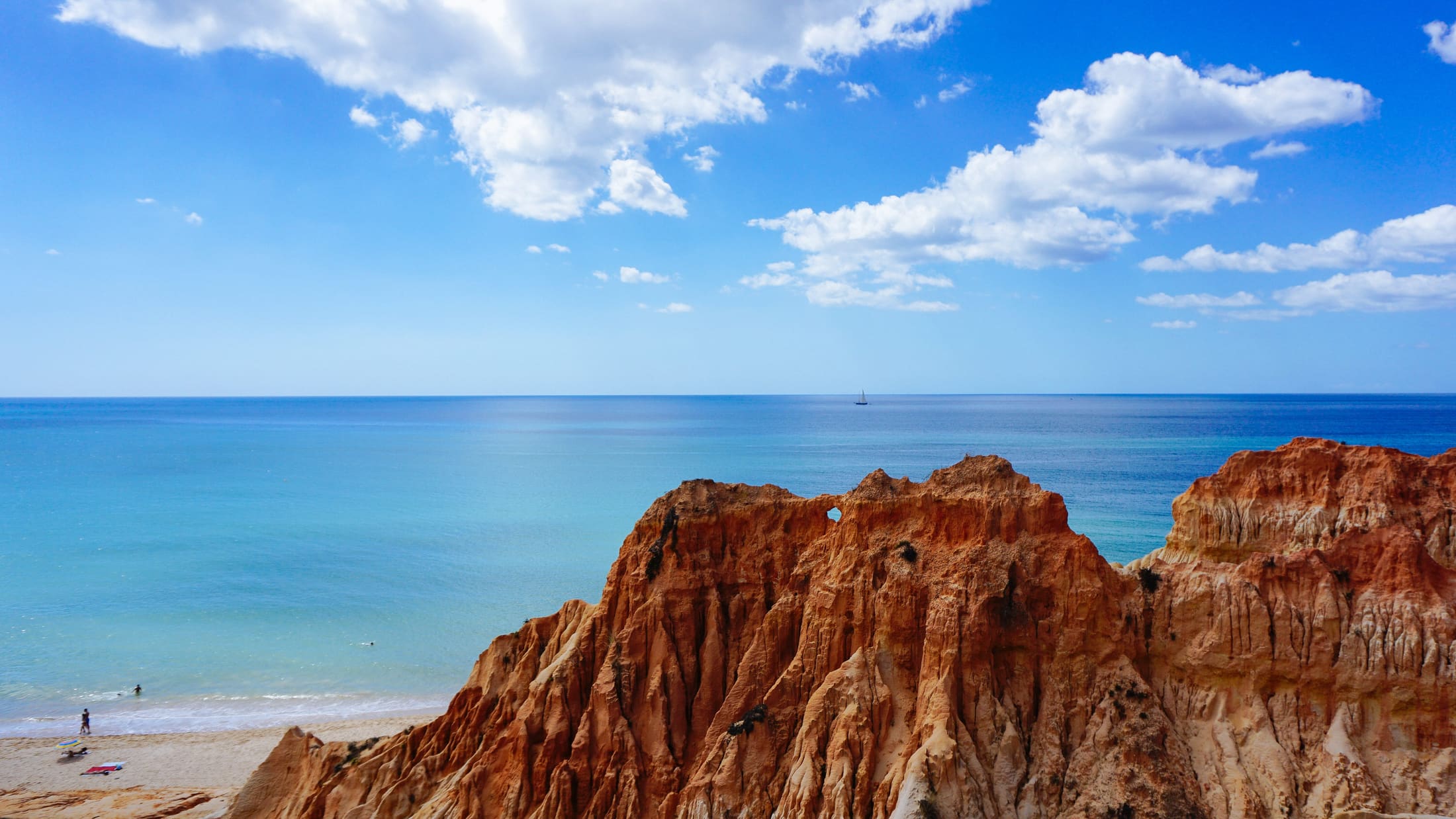
The Algarve is where the answer changes most. If your main goal is beach weather, summer makes sense. June has warm days and a lighter feeling than peak season. September is often excellent because the sea has had all summer to warm and the region begins to soften after August.
July and August are best if you want the full summer beach atmosphere and you accept the crowds. Book early, choose your base carefully, and don't expect the most famous beaches to feel quiet.
May can be beautiful, especially for hiking, cliff walks, and exploring towns, but the Atlantic may feel cool. October can still bring warm afternoons, but I wouldn't sell it as a guaranteed beach holiday.
Douro Valley and wine travel
Best months: April, May, September, and October.
The Douro Valley isn't just a day trip with pretty views. It's a hot, steep, slow region, and the season changes the mood completely. Spring brings green hills and gentler weather. September and October bring harvest energy, golden light, and more demand for tastings and boutique stays.
July and August can work, but they're not my first choice for a relaxed wine itinerary. Inland heat changes how much you want to do. A long lunch, a vineyard visit, a viewpoint, and a boat ride can feel dreamy in May or October, then heavy in peak summer.
For food and wine planning around Porto, pair this article with the Porto food guide and the Douro Valley wine trail.

Hiking, Alentejo, and the Rota Vicentina
Best months: April, May, and October.
If you want coastal walking, countryside, Alentejo villages, or the Rota Vicentina, avoid the hottest inland summer period. Spring is wonderful for flowers, green landscapes, and longer walks. October can be excellent too, with softer light and more comfortable days.
This is one of those trip types where weather comfort matters more than postcard sunshine. A little cloud can make a walking day better. A hot, dry afternoon in the interior can make even a short plan feel tiring.
Families tied to school holidays
Best months: June, July, August, or school-break weeks, with a careful route.
Families often can't choose the perfect shoulder-season week. That's fine. The solution isn't to avoid Portugal, but to plan differently.
For August, I usually protect mornings for sightseeing and afternoons for rest, pool, beach, or air-conditioned downtime. I wouldn't schedule a long Sintra palace day, a late lunch, and a transfer to another region all in one stretch. For families with grandparents or young children, private transfers and private tours can be the difference between "we saw Portugal" and "we survived the itinerary."
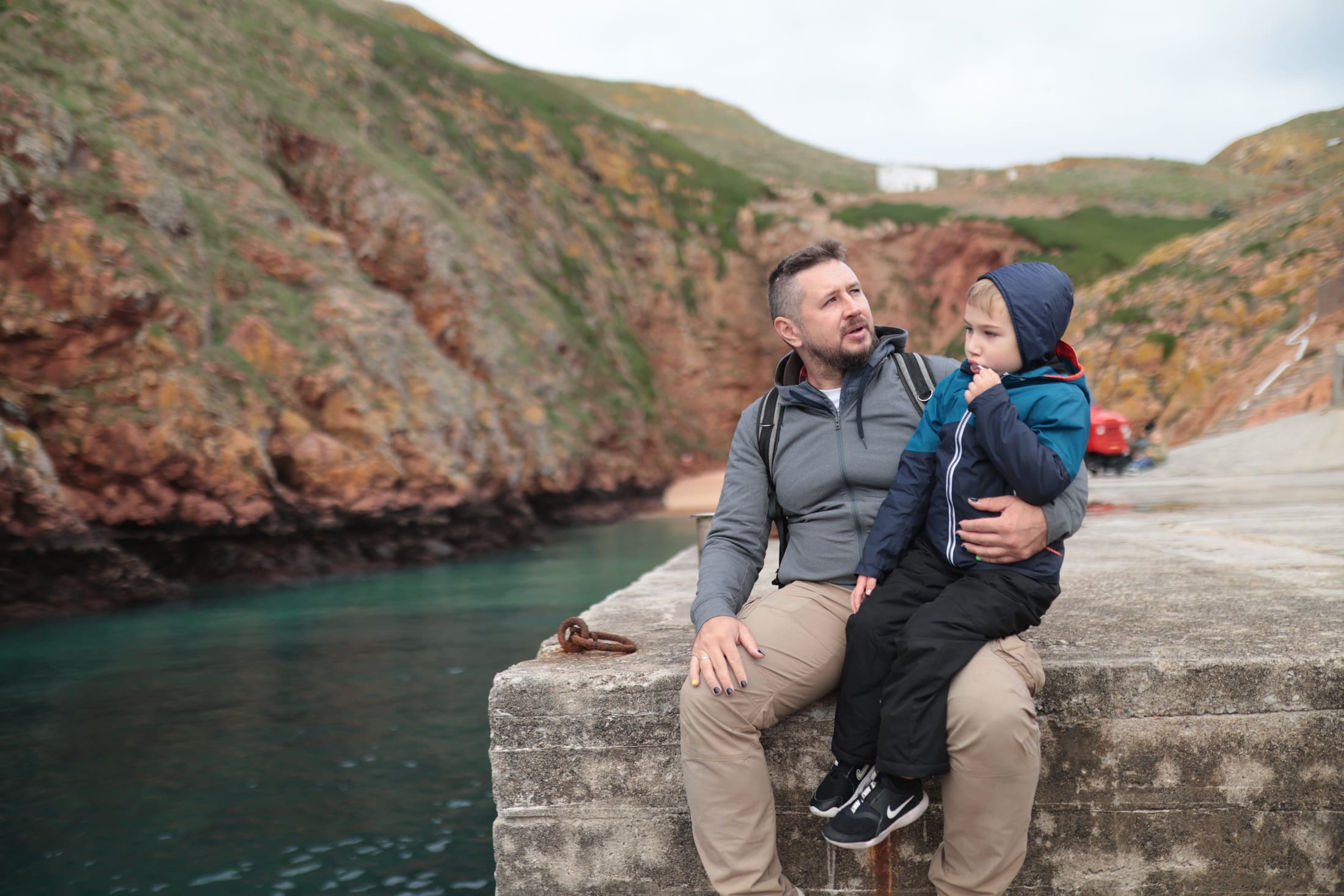
If you want bookings, transfers, restaurants, and confirmations coordinated around a family schedule, Travel Support is the better fit than a plan-only service.
Honeymoon or special occasion
Best months: May, June, September, and early October.
For honeymoons, anniversaries, and birthday trips, I like dates that feel warm and generous without forcing every special moment into peak-season pressure. May and June are beautiful for Lisbon, Sintra, and coastal dinners. September is lovely for Algarve plus wine country. Early October works well for food, boutique hotels, and a slower city-and-countryside route.
For example, Marcus and Elena first asked about a July honeymoon because they wanted "real summer." After talking through their actual wish list, boutique hotels, Lisbon restaurants, a sunset boat, Porto, and Douro wine, September made more sense. They still got warm evenings, but the trip felt more romantic because they were not fighting the hardest crowds at every stop.
If Lisbon is part of a special occasion trip, a private Lisbon sunset boat tour can work beautifully in warmer months, especially when the rest of the day is kept light.
Portugal weather by month: a practical planning guide
January
January is quiet and low-key. It is best for city breaks, museums, wine cellars, restaurants, and travelers who prefer lower prices to beach weather. Expect cooler days and more rain risk, especially in Porto and the north.
February
February is still low season. It can work well for Lisbon, Porto, and food-focused trips if you pack for variable weather. Carnival can add local color in some places, but exact events should be checked before planning around them.
March
March begins to feel like spring, but it's unpredictable. The south often feels easier than the north. It's a good month for flexible travelers who want fewer crowds and don't mind adjusting plans around rain.
April
April is one of the best months to visit Portugal if you want spring landscapes, comfortable sightseeing, and more breathing room than summer. Easter and school holidays can create busy pockets, so check your dates before assuming everything will be quiet.
May
May is one of my favorite months for Portugal. It works for Lisbon, Sintra, Porto, the Douro, Alentejo, and the Algarve if your beach expectations are realistic. It is warm enough for outdoor dining and long days, but usually not too hot for walking.
June
June brings summer energy, festivals, warmer evenings, and better beach conditions. It is a strong choice if you want Lisbon plus coast, or a family trip before the hardest August pressure. Book important hotels and tours ahead.
July
July is beach season and high season. It is good for the Algarve, coastal towns, and travelers who enjoy a lively atmosphere. For city sightseeing, plan early mornings, shaded breaks, and fewer ambitious days.
August
August is peak holiday season. It can be wonderful for the coast, but it is the month I treat most carefully for Lisbon, Sintra, inland Alentejo, and the Douro. Book early, avoid overpacked routes, and give yourself more space than the map suggests.
September
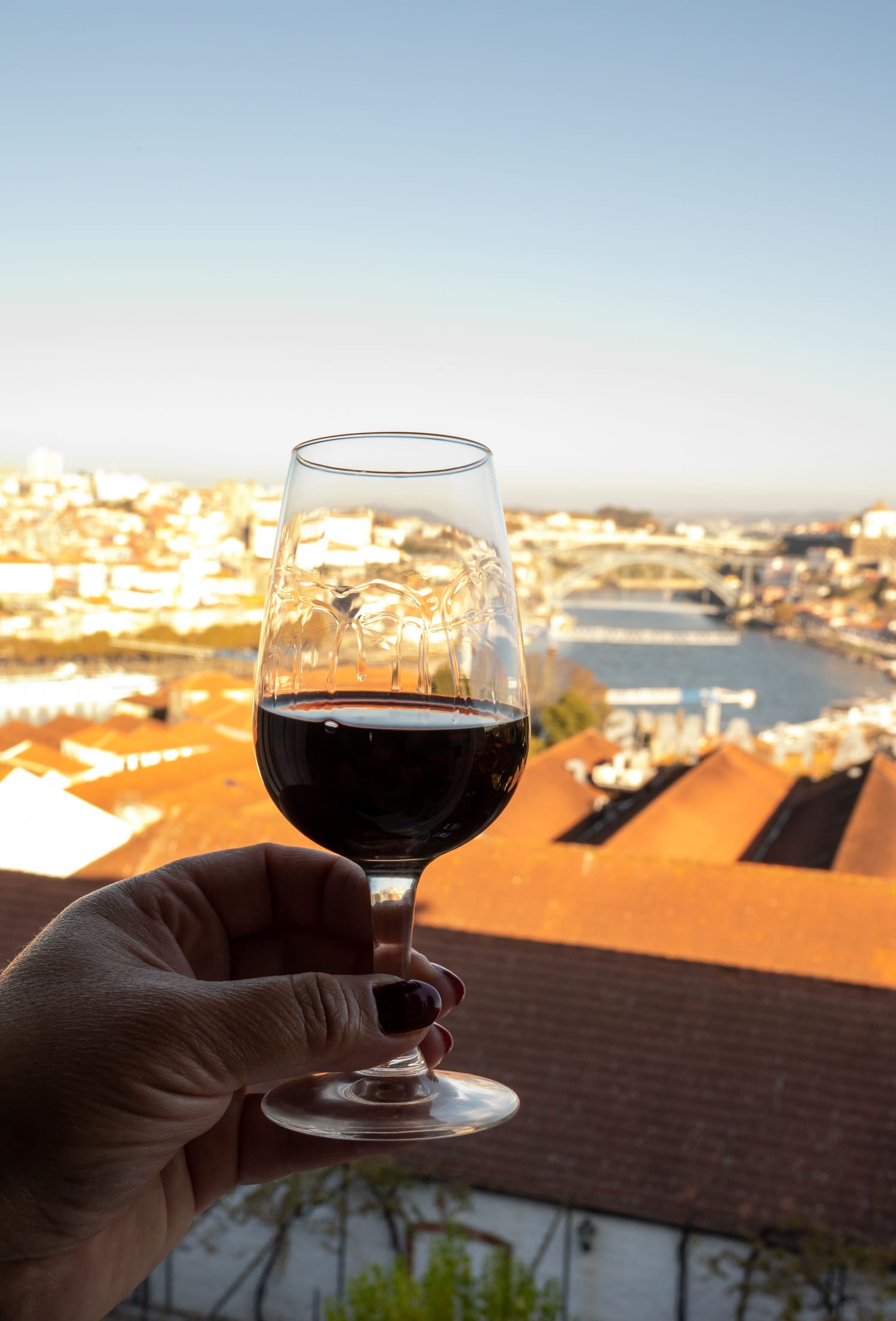
September may be the best month to visit Portugal if you want a little of everything. Beaches are still appealing, cities are easier than in August, and wine regions feel especially alive. It is not empty, though, so book the best stays and experiences early.
For many travelers, this is the Portugal shoulder season at its best: warm enough for summer plans, but less rigid than August.
October
October is excellent for walking, food, wine, cultural trips, and slower itineraries. Early October can still feel warm, while later October brings more rain risk. It is one of the best months for travelers who do not need a classic beach holiday.
November
November is the start of a quieter season. It can be good value for cities, restaurants, museums, and relaxed travel. It is not ideal for a north-heavy outdoor itinerary unless you are comfortable with wet-weather backups.
December
December works for festive city breaks, Christmas lights, food, and a slower travel mood. Days are shorter, so I would plan fewer stops and more indoor options. Madeira can be a special December/New Year idea, but verify availability and event details early.
Best time to visit Portugal by region
Lisbon and Sintra
Best months: April, May, June, September, and October.
Lisbon and Sintra reward walking, timing, and patience. Summer is possible, but you need early starts and realistic expectations, especially for Sintra. Pena Palace and Quinta da Regaleira are much easier when you have a plan for tickets, transport, and route order.
If Sintra is a priority and your dates are in peak season, consider a private Sintra day tour. The value is not only comfort. It is the ability to structure the day around crowds, weather, and your energy.
Porto and the Douro Valley
Best months: May, June, September, and October.
Porto is more atmospheric in cool weather than many travelers expect, but it is wetter than Lisbon and the Algarve. For a first trip, late spring and early fall are the easiest months. The Douro Valley is especially good in spring and harvest season, but book early for September.
Algarve
Best months: June to September for beaches, April, May, and October for walking and calmer bases.
The Algarve has the clearest summer appeal, but the best base depends on your style. Lagos, Tavira, Carvoeiro, and quieter villages create very different trips. In July and August, the base matters as much as the month.
Alentejo and the west coast
Best months: April, May, and October.
The Alentejo is slow, beautiful, and often underplanned. It is also hot inland in summer. Spring and fall are better for villages, wineries, cork landscapes, and coastal walking.
Madeira and the Azores
Madeira and the Azores should be treated as separate climate decisions from mainland Portugal. They can be excellent additions, but I wouldn't squeeze them into a short first mainland trip just because the flight exists. If islands are important, build the whole route around them instead of attaching them at the end.
When not to visit Portugal
There is no single worst month to visit Portugal. There is only the wrong month for the trip you imagined.
Avoid August if you dislike crowds, heat, higher prices, and early booking pressure. It is not a gentle month for Lisbon palace days, Douro wine touring, or inland road trips.
Avoid November to February if your main goal is a sunny beach holiday. You may get beautiful days, especially in the south, but the trip should be planned around cities, food, culture, and flexibility.
Avoid late planning for Easter, June festivals, July and August, and September wine travel. Portugal is popular, and the best small hotels, guides, restaurants, and timed-entry attractions do not wait forever.
How far ahead to book
For July, August, Easter, Christmas/New Year, and September Douro travel, start early. I would treat key hotels, private tours, Sintra plans, special restaurants, and transfers as the pieces to secure first.
For April, May, June, September, and October, you still need planning if you care about boutique hotels or specific experiences. Shoulder season is easier than summer, but it is not secret.
For November to March, you usually have more flexibility, but don't leave everything open. Some seasonal places close, opening hours can be shorter, and wet-weather backups matter.
If you already have dates and a rough route, a Travel Advisor consultation can help you check whether the plan is realistic before you book the hard-to-change pieces. If you want the full route built around your dates, choose a custom Portugal itinerary.
How Travel-Luck helps choose the best time to visit Portugal
The best time to visit Portugal isn't a fixed answer. It's a planning decision.
Travel Advisor is best if you already have flights, dates, or a rough itinerary and want Julia to review the logic. This is useful when you are unsure whether Lisbon, Porto, Douro, and Algarve all fit, or whether your August route is too ambitious.
Travel Planner is best if you want Julia to build the day-by-day plan around your dates, interests, pace, and group needs. This is the strongest fit for first-time visitors, couples, families, and small groups who want clarity before booking.
Travel Support is best if you want the itinerary plus booking coordination, confirmations, provider communication, and help while you travel. It is especially useful for families, groups, special occasions, and peak-season trips where timing, bookings, and provider confirmations have to line up.
Free blogs can tell you what month is usually nice. A local planner helps you decide what that month means for your actual route.
FAQ
What is the absolute best month to visit Portugal?
September is the best single month for many travelers because it combines warm weather, better beach conditions than spring, wine-season energy, and slightly softer crowds than August. May is the best alternative if you care more about spring landscapes, walking, and city comfort.
Is May or September better for Portugal?
Choose May for greener scenery, comfortable city sightseeing, and a calmer pre-summer feeling. Choose September for warmer sea temperatures, Algarve beach time, and Douro wine travel. Both are excellent for a first Portugal trip.
Is Portugal too hot in July and August?
Portugal is not too hot everywhere, but July and August can be tiring for city sightseeing, Sintra, the Douro Valley, and inland Alentejo. These months work best for coast-focused trips, early starts, slower pacing, and well-booked logistics.
What is the cheapest month to visit Portugal?
January, February, and November are often the best months for lower prices, especially outside holidays and major events. The tradeoff is cooler weather, more rain risk, and fewer beach-friendly days.
What is the best time to visit Lisbon and Porto?
April, May, June, September, and October are the easiest months for Lisbon and Porto. Lisbon is more forgiving in winter than Porto, while Porto can be wetter but still very rewarding for food, wine, and city atmosphere.
What is the best time to visit Algarve?
June and September are the best balance for the Algarve. July and August have the strongest beach weather but the biggest crowds. April, May, and October are better for coastal walks, towns, and quieter bases than for guaranteed swimming.
Is October a good time to visit Portugal?
Yes, October is a very good time to visit Portugal if you want culture, food, wine, walking, and a calmer itinerary. Early October is usually stronger for warm-weather plans, while later October needs more rain flexibility.
How far in advance should I plan a Portugal trip?
For peak periods such as July, August, Easter, Christmas/New Year, and September wine travel, start several months ahead if you want good hotels, private tours, and restaurant choices. For shoulder season, plan early for the key pieces, then leave space for local flexibility.
Conclusion
For most travelers, the best time to visit Portugal is April, May, September, or October. These months give you the best chance of a trip that feels comfortable, flexible, and well-paced.
But the right answer depends on your route. June or September may be best for beaches. September or October may be best for wine.
Winter may be best if you want quiet cities and better value. August can work beautifully for a coastal family trip, but it should not be planned like a gentle spring city break.
Start with the trip you want, then choose the season that supports it. Portugal rewards that kind of planning.
If you want Julia to shape the route around your dates, pace, and travel style, use the Travel Planner service for a custom day-by-day itinerary. If you already have a draft and want local eyes on it, book a Travel Advisor review through Travel-Luck services.