Table of Contents
- What to wear in Portugal: the quick answer
- Portugal's local style: casual, neat, and practical
- The shoes matter more than the outfit
- What to wear in Portugal by season
- What to wear by region and itinerary
- Portugal outfits by activity
- What not to pack for Portugal
- Can you buy clothes in Portugal?
- Portugal outfits packing list for 7 to 10 days
- FAQ: what to wear in Portugal
- Final thoughts: pack for the trip you are actually taking
For Portugal, pack comfortable shoes with grip, light layers, breathable cotton or linen for warm days, a rain layer for Porto and winter, sun protection for summer, and one smart-casual outfit for dinners. The best Portugal outfits are practical first, polished second, and shaped around your actual route.
If I could change one thing in most first-time Portugal suitcases, I would remove half the "just in case" outfits and add better walking shoes, a light layer, and a rain plan for the north.
That does not mean you need to dress like you are hiking across Europe. Portugal is casual, but people usually look neat. The trick is to pack clothes that can handle Lisbon hills, Porto rain, Douro lunches, Algarve beaches, church visits, and long dinners without making your suitcase impossible to move.
This guide is how I think about clothes for Portugal when I help travelers plan a real itinerary. Weather matters, but so does pace. A Lisbon-only city break, a Porto and Douro wine trip, and a family week in the Algarve should not use the same packing list.
Key Takeaways
- Pack shoes with grip before you think about the rest of your Portugal outfits.
- Bring layers year-round because coastal evenings, northern rain, and windy viewpoints can change the day quickly.
- Summer still needs a light layer; winter needs rain protection more than heavy snow gear.
- Portugal is casual but neat: beachwear stays at the beach, and one smart-casual outfit is enough for most dinners.
- Your itinerary matters: a Lisbon-only trip, Douro wine day, and Algarve beach week need different packing choices.
If your route includes Lisbon, Porto, the Douro Valley, and the Algarve, packing is also a clue that the itinerary needs realistic flow. Julia can build a custom Portugal itinerary around your dates, season, pace, and travel style so your clothes, transfers, and days all make sense together.
What to wear in Portugal: the quick answer
For a first Portugal trip, start with a small capsule wardrobe: comfortable walking shoes, breathable tops, trousers or jeans, one light sweater, one rain or wind layer, swimwear if you will be near the coast, and one outfit that feels right for a nicer dinner.
| Pack this | Why it matters | Best for |
|---|---|---|
| Grippy walking sneakers | Lisbon and Porto have hills, cobblestones, and slick stone after rain | Every season |
| Breathable cotton or linen tops | Warm afternoons and easy layering | Spring, summer, early fall |
| Light sweater or overshirt | Even summer evenings can cool down near the Atlantic | Year-round |
| Rain shell or compact umbrella | Porto, the north, and winter can be wet | Fall, winter, spring |
| Smart-casual outfit | Restaurants, fado, wine tastings, nicer hotels | Any trip |
| Swimwear and cover-up | Beaches, hotel pools, spas, island trips | Summer, Algarve, Madeira |
| Scarf or light wrap | Wind, sun, and quick shoulder coverage for churches | Year-round |
| Crossbody bag or small daypack | Layers, water, sunscreen, power bank, purchases | Long sightseeing days |
The mistake is packing for one mood. Portugal can be sunny at lunch, windy at sunset, and damp by the next morning. You do not need a huge suitcase. You need flexible pieces.
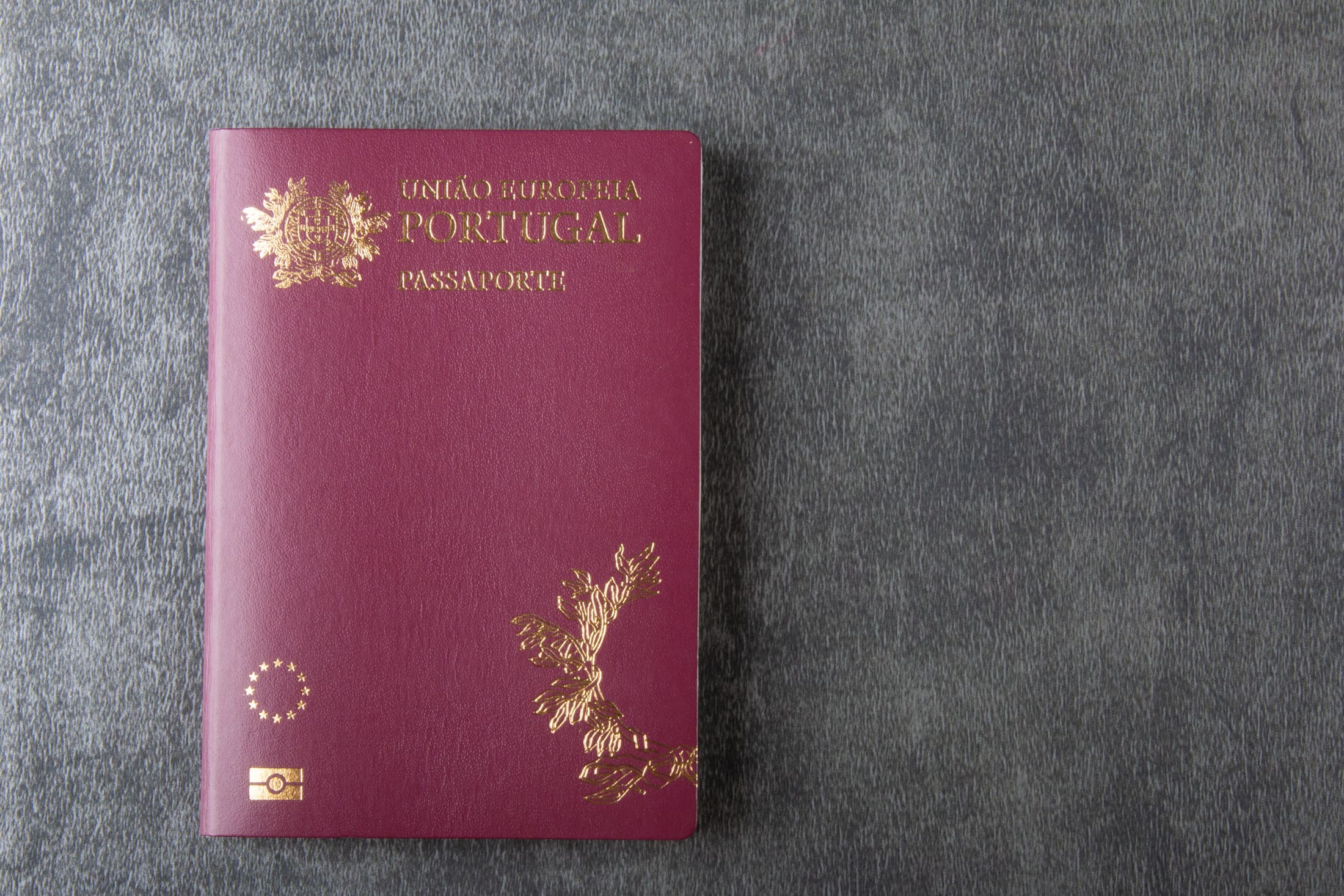
Portugal's local style: casual, neat, and practical
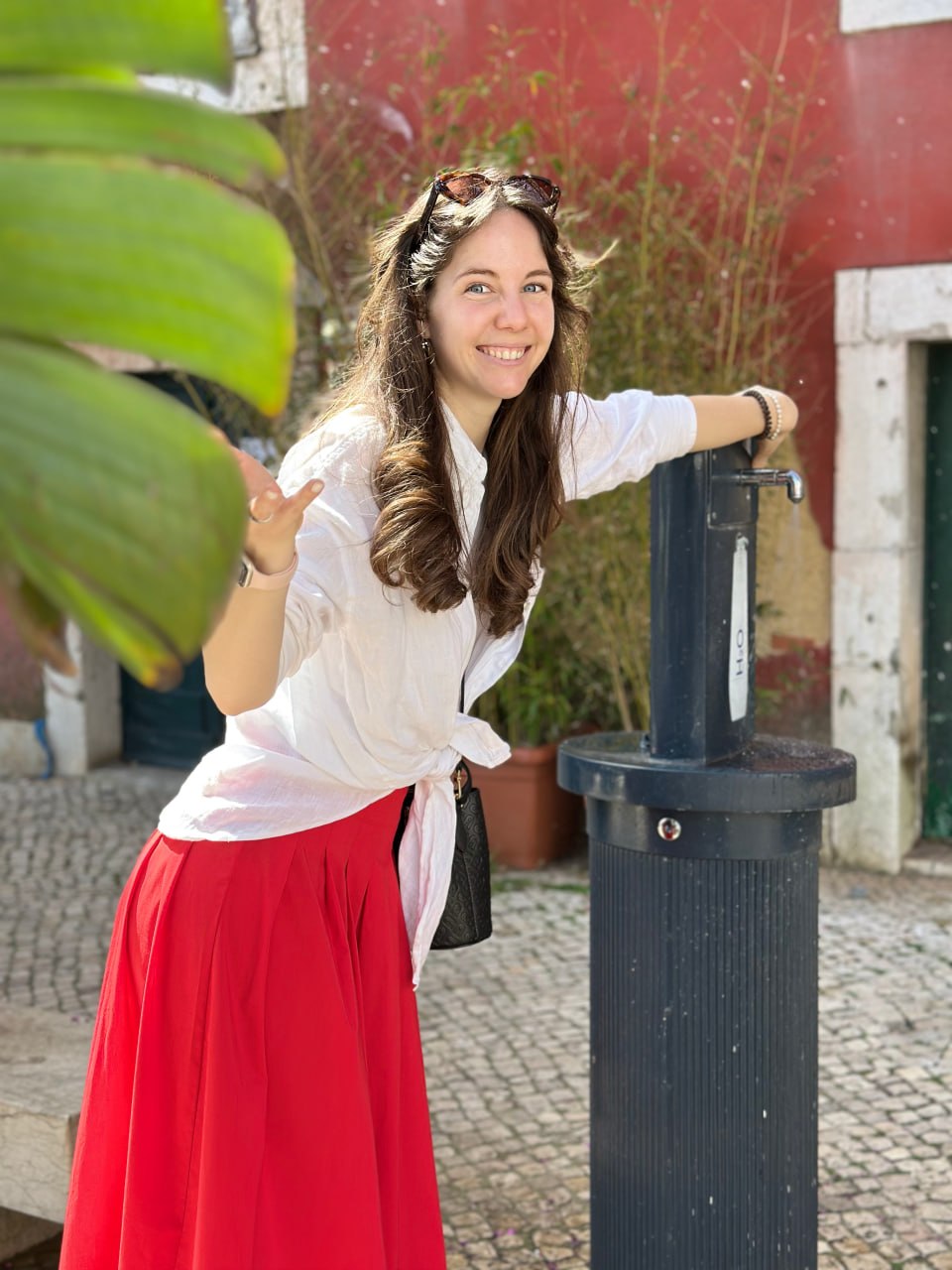
Portugal is not a country where you need to dress formally for everyday sightseeing. In Lisbon, Porto, and the Algarve, casual clothes are normal: jeans, trousers, simple tops, linen shirts, sneakers, sandals, and light jackets.
But casual does not mean beachwear everywhere. Swimwear, shirtless walking, and flip-flops make sense beside the sea, not in Chiado, Porto's Ribeira, a Douro restaurant, or a church in Evora. Think relaxed but put-together.
Activewear is useful for hikes, surf lessons, and hotel gyms. For city days, I would usually choose trousers, linen shorts, a simple dress, jeans, or a skirt instead of leggings as the main outfit. No one is going to stop you, but the local look is more "comfortable city clothes" than "workout set."
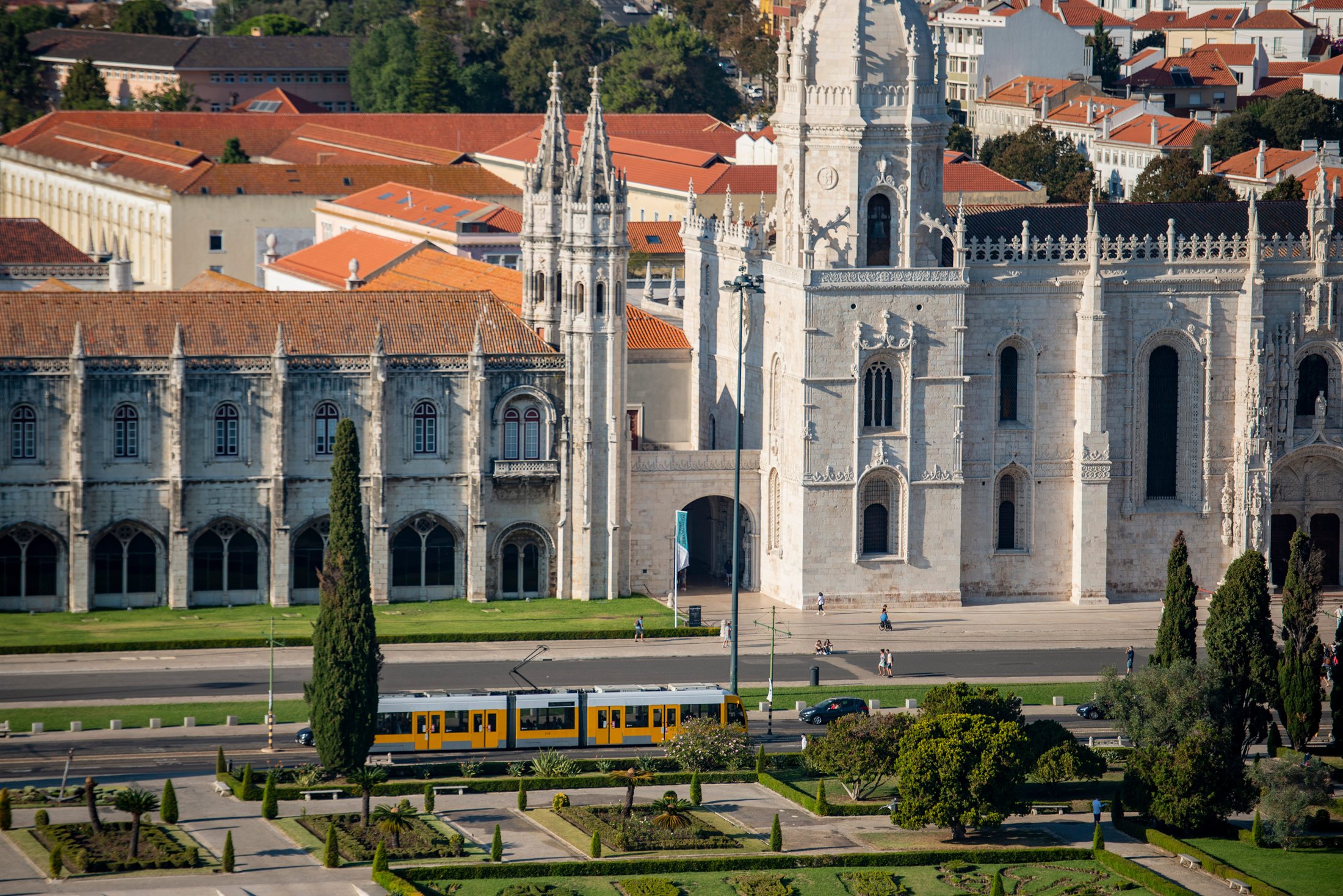
For churches and religious sites, carry a light scarf, shirt, or wrap if your outfit has bare shoulders. Most places are not aggressively strict, but covered shoulders and non-beachwear show respect, especially in smaller towns and sacred sites.
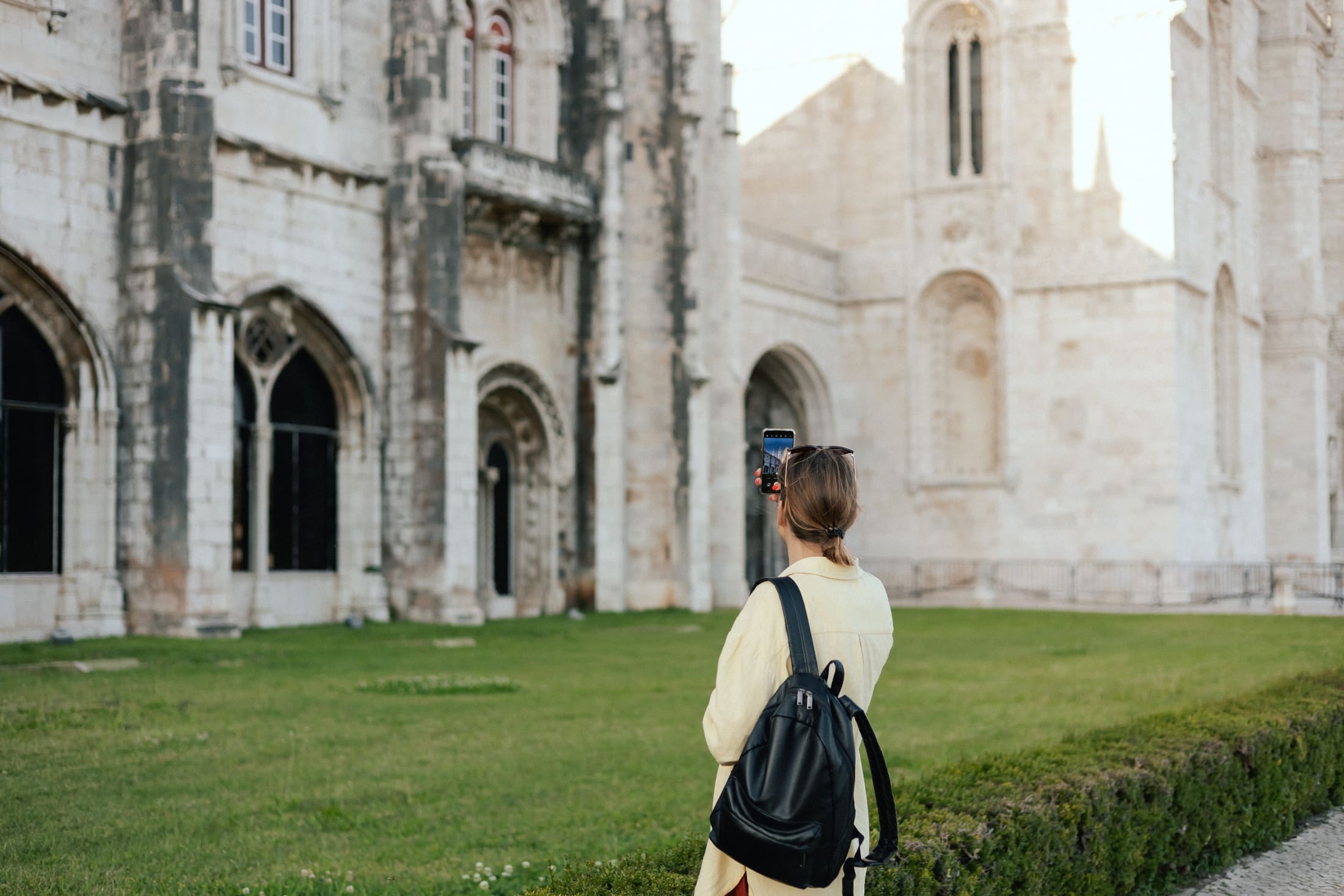
For broader first-trip planning, pair this with practical Portugal first-timer tips. The easiest trips are not built around perfection. They are built around small choices that keep the day comfortable.
The shoes matter more than the outfit
If you remember one thing from this guide, make it this: Portugal rewards good shoes.
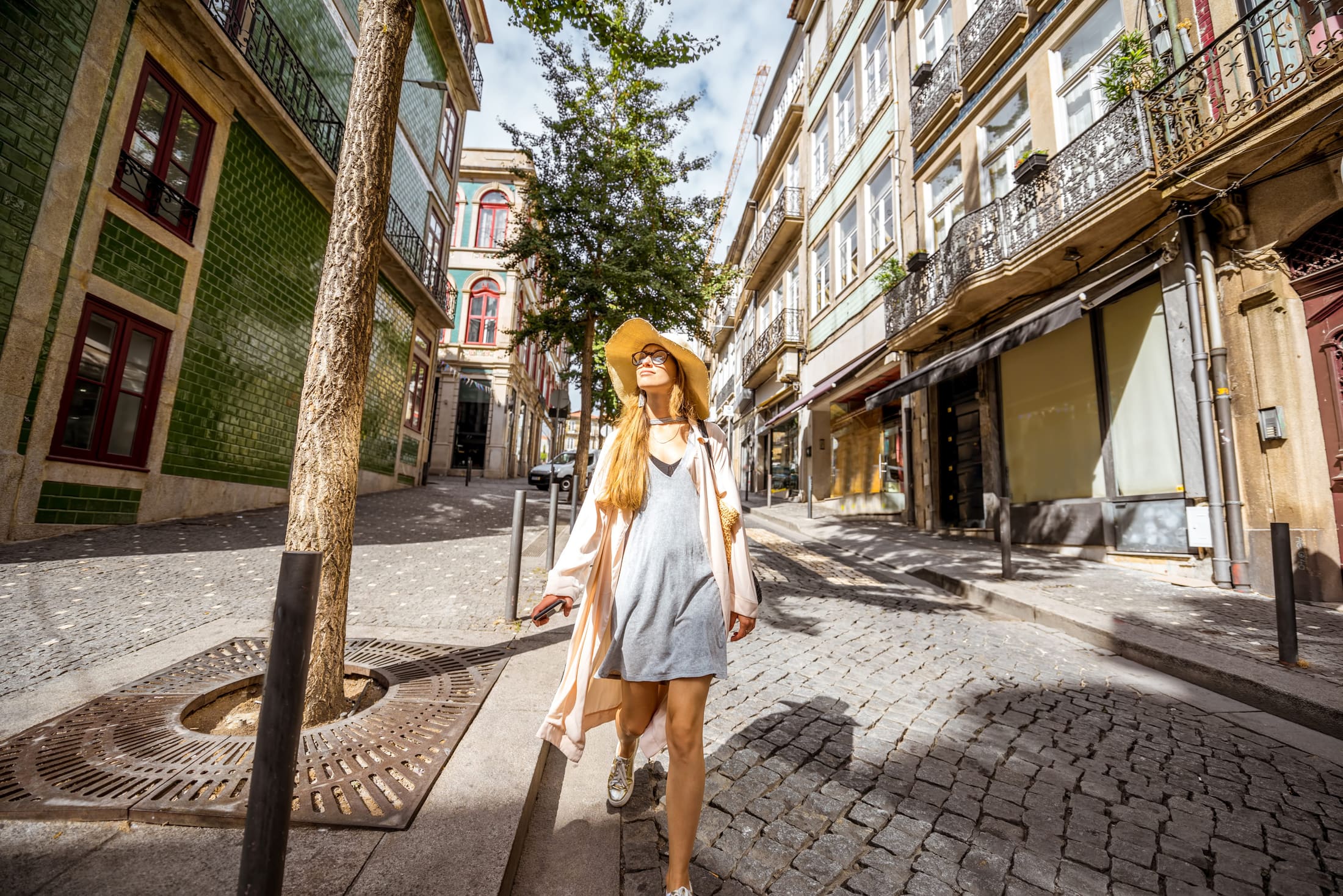
Lisbon and Porto are beautiful because of the hills, tiled pavements, narrow alleys, viewpoints, tram streets, and old stone. They are also exactly why thin soles, slick sandals, and new shoes can ruin a day. The Portuguese calcada, the traditional stone pavement, can become slippery when wet.
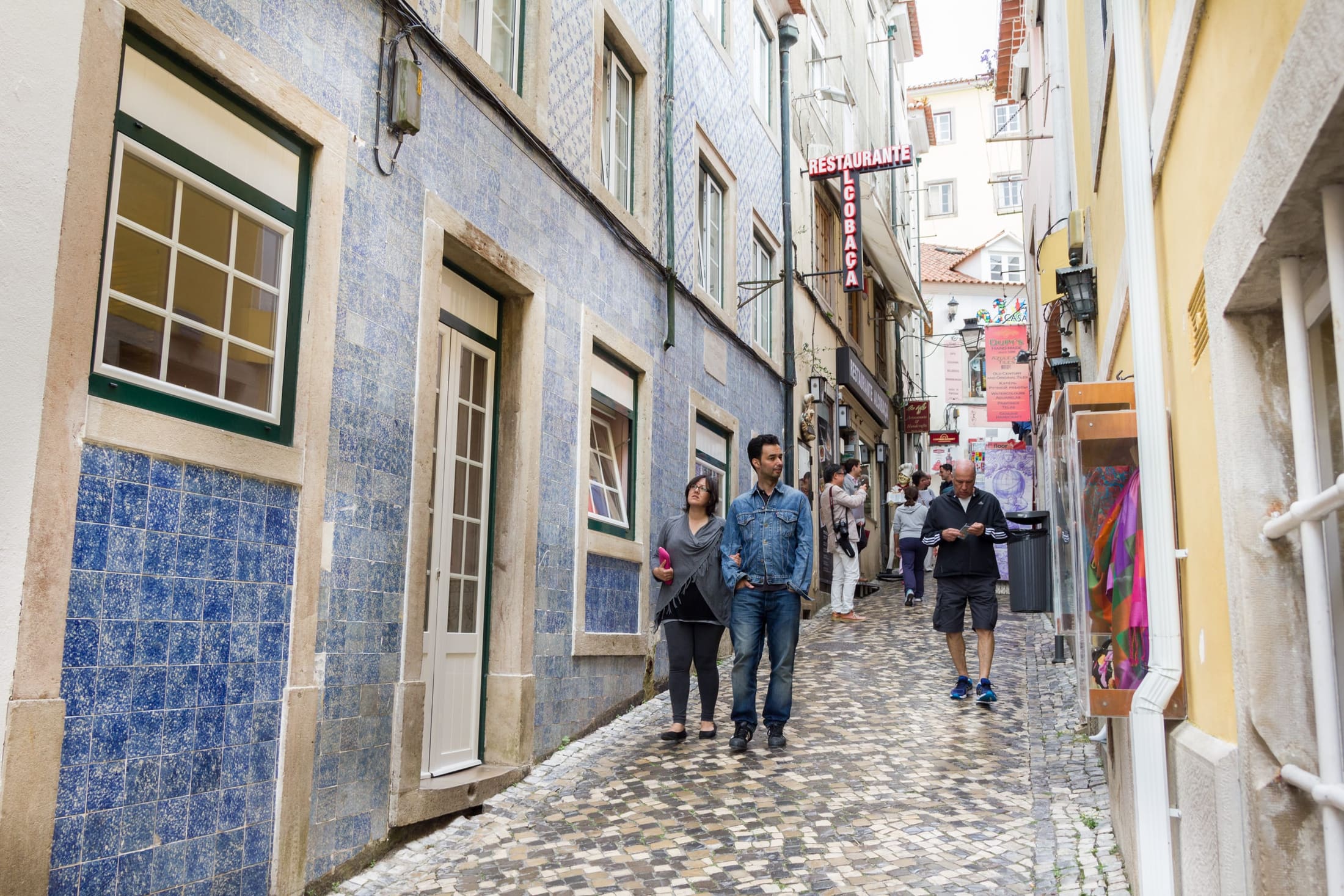
Choose shoes you have already tested. A good Portugal shoe has grip, support, and enough cushioning for long walking days. For most travelers, the best combination is:
- One pair of comfortable walking sneakers with grippy soles.
- One pair of supportive sandals or flats for warm days and dinners.
- Optional waterproof shoes or low boots for rainy months, Porto, the north, or hiking.
Avoid packing heels as your main evening shoe. A low block heel may work for a taxi-to-restaurant evening, but it is not your friend on Alfama steps or Porto slopes. Stilettos belong in a very specific dinner plan, not in your default Portugal packing list.
I once reviewed a Lisbon and Sintra route for a traveler named Claire who had planned every outfit beautifully. The photos would have been perfect. The problem was that her sandals were new, flat, and smooth underneath. By lunch on the first day, after Alfama, Baixa, and a climb to a viewpoint, she had blisters and wanted to cancel the next morning in Sintra.
We changed the plan, bought blister plasters, and moved the hardest walking to later. The better solution would have been boring but useful: tested shoes first, cute outfit second.
What to wear in Portugal by season
Portugal has regional differences, so treat seasonal advice as a starting point. Visit Portugal's weather guide makes the same useful point: the country has many sunny days, but climate can vary significantly from region to region.
Lisbon is usually warmer and drier than Porto. The Algarve is softer in winter and hotter in summer. The Douro can feel much hotter than the coast. Madeira and the Azores have more microclimates.
For official climate context, Portugal's weather institute, IPMA, publishes climate normals based on long observation periods. For travelers, the practical takeaway is simple: do not plan from one national average.
Spring: March to May
Spring is one of the easiest seasons for Portugal if you pack layers. Bring breathable tops, a light sweater, a jacket, comfortable shoes, sunglasses, and a small umbrella or rain shell.
March can still feel cool and wet, especially in Porto and the north. April is more variable than people expect: sunny lunch outdoors one day, rain and wind the next. May is usually the easiest spring month, warm enough for long days outside but not as intense as summer.
Good spring Portugal outfits:
- Jeans or trousers, T-shirt, light sweater, sneakers.
- Midi dress or skirt with a denim jacket and flat shoes.
- Linen shirt, straight trousers, sunglasses, and a rain shell in your bag.
- For Douro or countryside days, breathable layers and shoes that can handle uneven paths.
If you are visiting Lisbon, Sintra, Porto, and the Douro in spring, pack as if you might experience two seasons in one trip.
Summer: June to August
Summer in Portugal is hot, bright, and dry in many mainland regions, but it is not the same everywhere. Lisbon can be hot and windy. Porto is usually cooler than Lisbon.
The Algarve is beach-focused. Inland Alentejo and the Douro can feel much hotter than the coast.
Pack linen, cotton, breathable dresses, loose shirts, shorts, skirts, comfortable sandals, swimwear, a hat, sunglasses, and SPF. Add one light layer for evenings. That layer sounds annoying when you are packing in July, but you may want it near the river, on the coast, or after sunset.
Good summer Portugal outfits:
- Linen trousers or shorts, cotton top, flat sandals, sun hat.
- Lightweight dress with comfortable sneakers or supportive sandals.
- Swimwear, cover-up, and a dry shirt for beach-to-cafe transitions.
- Light shirt or cardigan for evenings by the water.
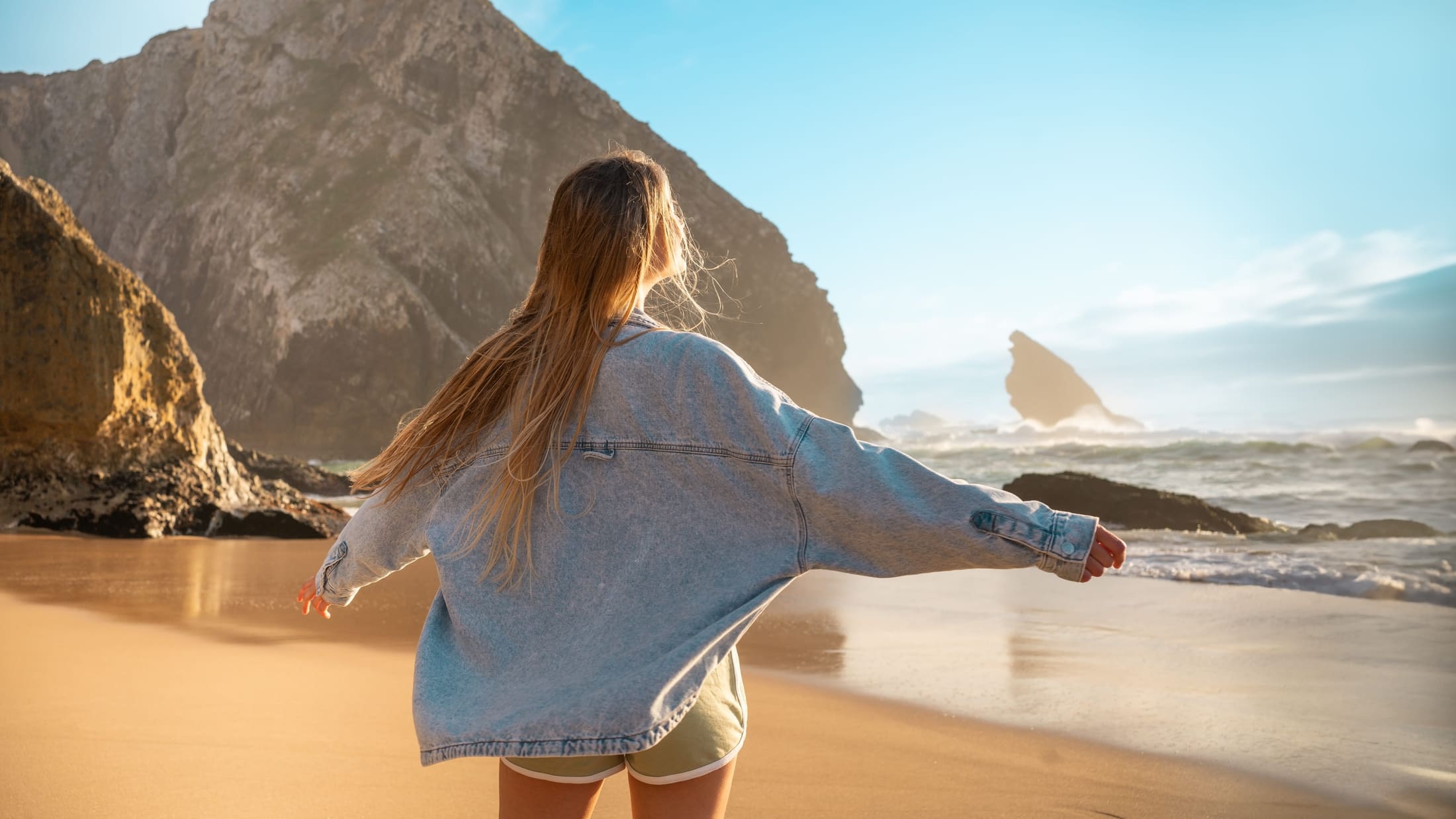
Beachwear is fine on the beach. In towns, restaurants, shops, and churches, change into actual clothes or use a proper cover-up. This matters especially in places like Lagos, Tavira, Cascais, and Lisbon, where beach time and town time can happen on the same day.
Fall: September to November
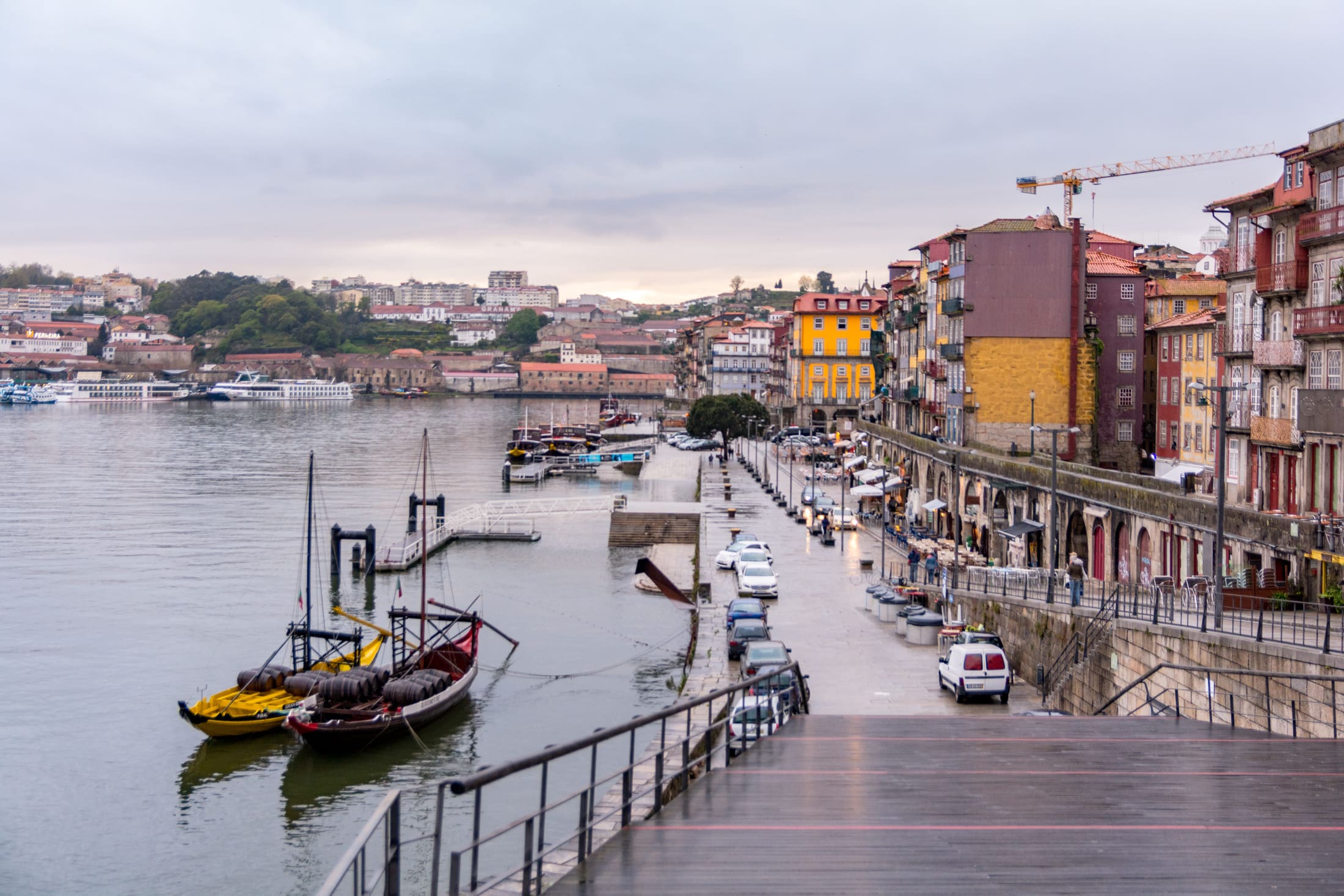
Fall is one of my favorite seasons for Portugal outfits because you can pack comfortably without planning for extremes. September can still feel summery, especially in the Algarve and Lisbon. October is excellent for walking, food, wine, and city days. November brings more rain, especially in Porto and the north.
Pack layers, a light jacket, comfortable sneakers, trousers or jeans, breathable tops, and a compact rain layer. If you are traveling in September, keep swimwear in the bag. If you are traveling in November, take rain seriously.
Good fall Portugal outfits:
- Trousers, short-sleeve top, light jacket, sneakers.
- Midi skirt or dress with a sweater for evenings.
- Jeans, knit top, rain shell, and waterproof-friendly shoes for Porto.
- Douro wine lunch outfit: comfortable flats, layers, and something neat enough for a long meal.
A couple I worked with, Maya and Jonathan, packed for an October trip as if Portugal were still full summer. Lisbon was fine. Porto was not.
They spent their first evening buying sweaters and an umbrella instead of enjoying the riverfront. It was fixable, but it stole time from a short trip.
Fall is beautiful here. It just asks you to respect the north.
Winter: December to February
Winter in Portugal is mild compared with much of northern Europe, but do not confuse mild with warm and dry. Lisbon and the Algarve can be pleasant for city breaks. Porto, the north, and mountain areas need warmer, wetter planning.
Pack a medium jacket, sweaters, long sleeves, jeans or trousers, waterproof shoes, a rain shell or umbrella, and a scarf. You probably do not need a heavy snow coat for a standard Lisbon or Algarve trip, but you do need clothes that handle damp weather and cool interiors.
Good winter Portugal outfits:
- Jeans, long-sleeve top, sweater, medium jacket, sneakers or boots.
- Trousers, knitwear, raincoat, scarf, waterproof shoes.
- For Porto or the Douro, warmer layers and a proper rain plan.
- For Algarve winter, lighter layers during the day and a jacket for evenings.
Older buildings can feel chilly indoors, especially in rentals or small guesthouses. Hotels vary. Pack something comfortable for evenings, not just sightseeing.
What to wear by region and itinerary
Your route matters as much as your dates. A Portugal packing list that works for three nights in Lisbon may not work for Porto, the Douro, and the Algarve in the same week.
Lisbon
Lisbon is casual, sunny, hilly, and often windy. Pack comfortable sneakers, simple city outfits, sunglasses, and a light jacket or overshirt. Avoid short, floaty skirts on windy viewpoint days unless you enjoy managing your hem every five seconds.
For a first Lisbon day, I like an outfit that can handle Alfama stairs, a cafe stop, a viewpoint, and dinner without returning to the hotel: trousers or a midi dress, sneakers or sturdy sandals, and a light layer in your bag.
If Lisbon is your first stop, read why Lisbon should be your first stop before you overpack the rest of the route. The city teaches you quickly what Portugal travel feels like: beautiful, relaxed, and more physical than it looks on a map.
Porto and the north
Porto is cooler and wetter than many travelers expect. Even in warmer months, evenings can feel fresh. Outside summer, I would bring a rain jacket, sweater, and shoes that can handle wet stone.
Your Porto outfits can still be stylish. Think jeans, trousers, sweaters, trench or raincoat, leather sneakers, waterproof boots, and a compact umbrella. For wine cellars and dinner, smart-casual is enough.
Douro Valley
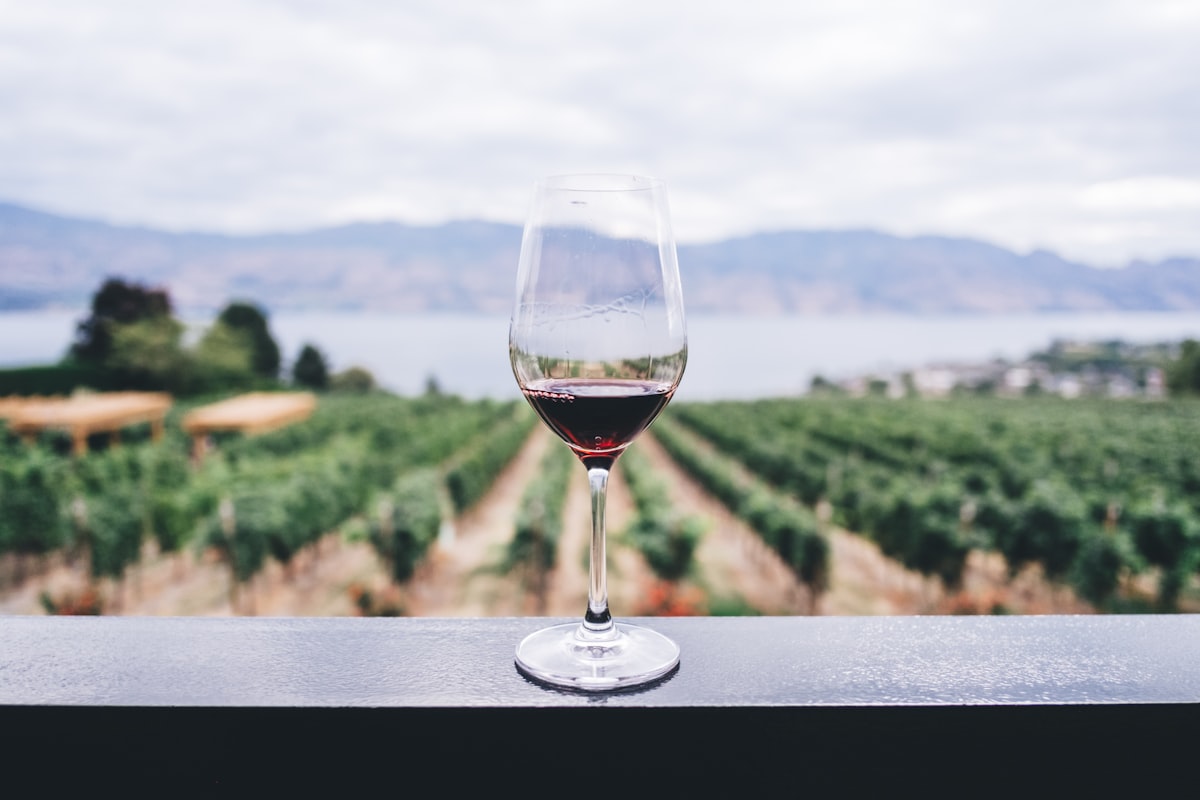
The Douro Valley asks for comfort with polish. You may be walking through vineyards, stepping onto boats, visiting viewpoints, and sitting down for a long lunch or tasting. Flat shoes are better than heels. A sun hat helps in warm months.
Good Douro outfit formula: breathable shirt, trousers or a midi dress, flat sandals or sneakers, sunglasses, and a layer for the drive back if you return late.
Algarve
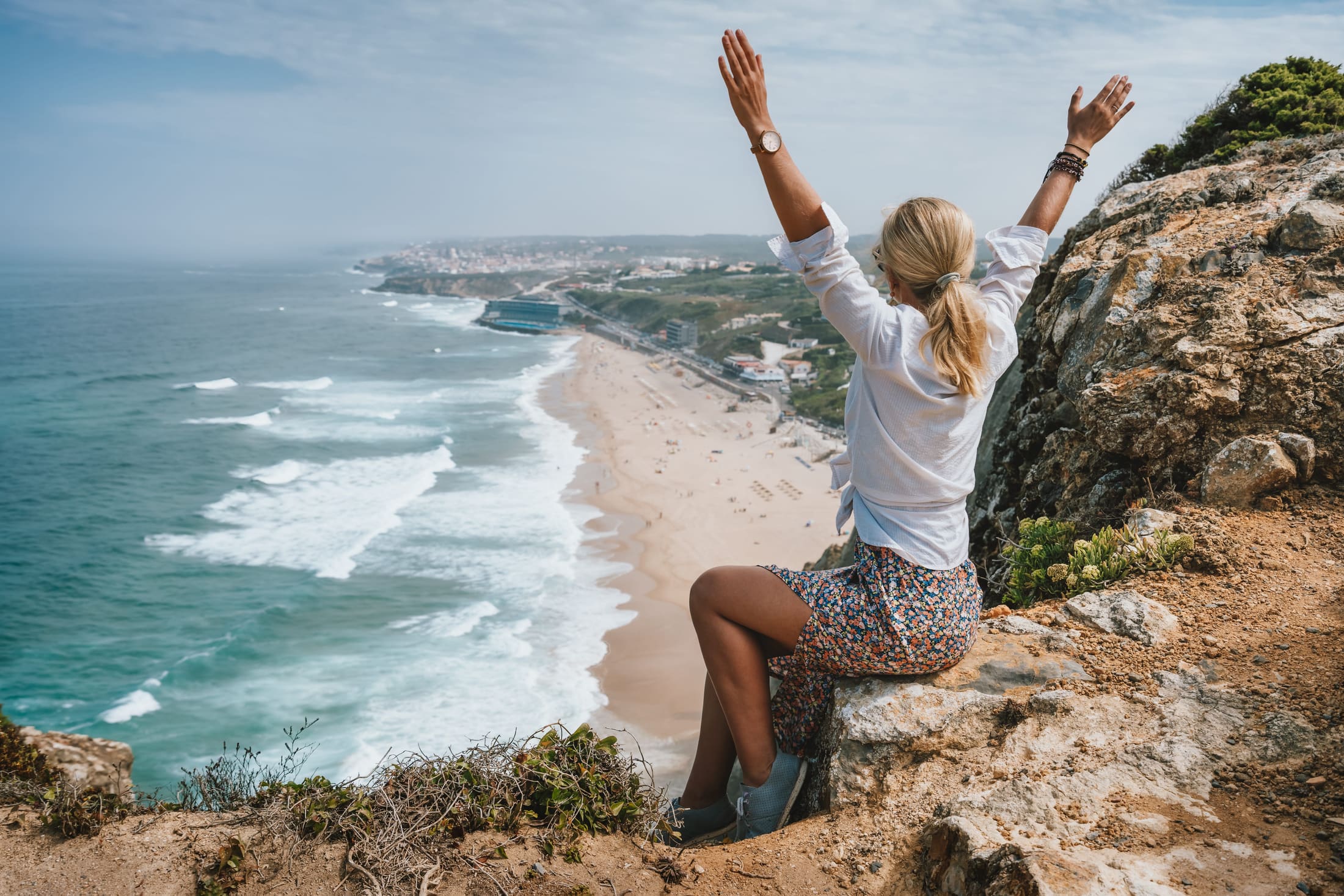
The Algarve is relaxed, coastal, and more resort-like than Lisbon or Porto. Pack swimwear, cover-ups, sandals, shorts, linen, sun protection, and beach-friendly clothes. Still bring sneakers or sturdy sandals for towns, cliff walks, boardwalks, and old streets.
Do not pack only beach clothes. You may want a nicer outfit for dinner, especially in places with a more polished restaurant scene. A linen dress, smart shorts with a shirt, or trousers with a simple top will cover most evenings.
For slower coastal planning, pair this with Travel-Luck's quieter Algarve travel ideas.
Madeira and the Azores
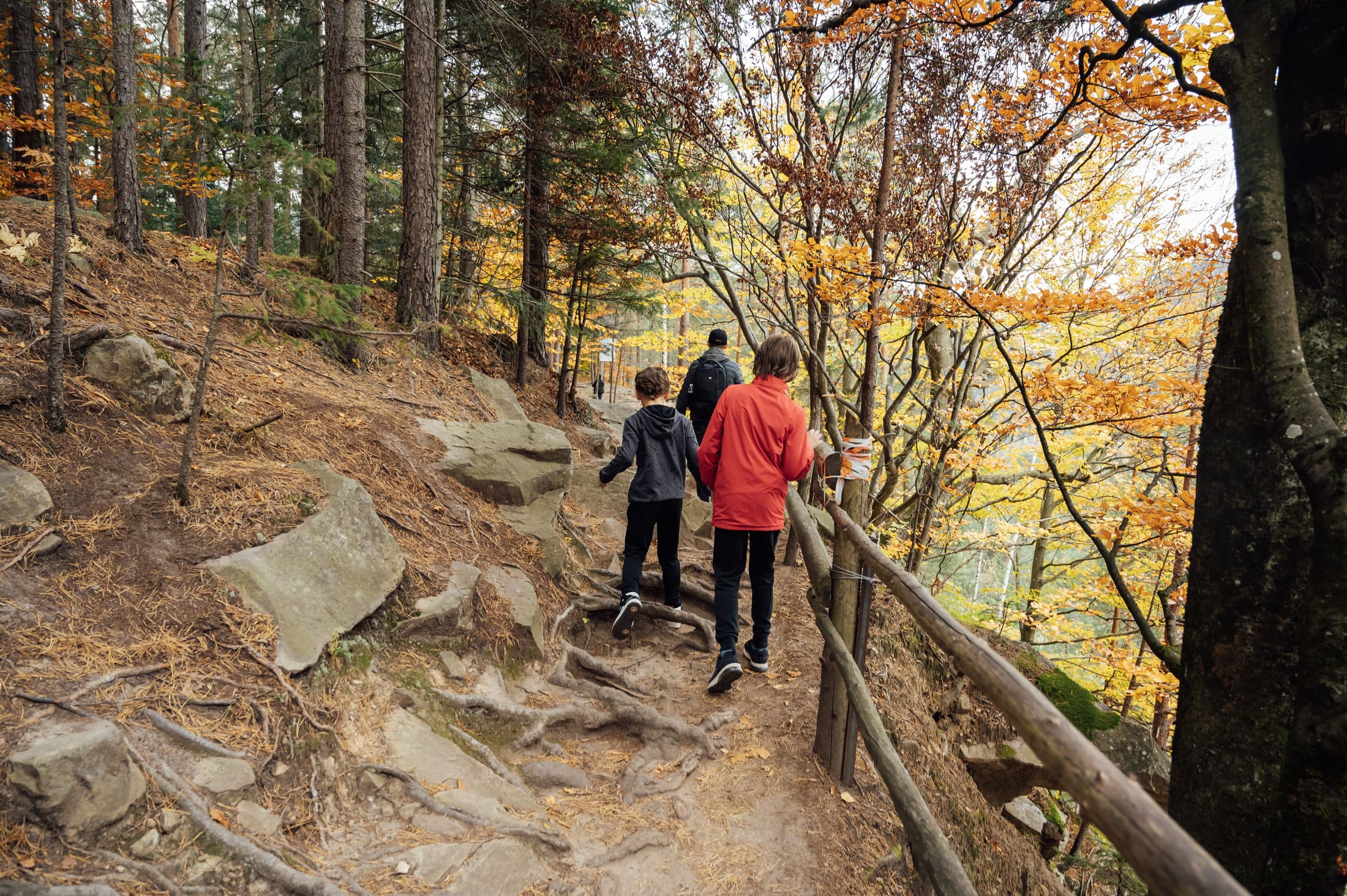
If your trip includes Madeira or the Azores, pack more for microclimates. You may move from sun to mist to wind in one day. Bring trail shoes, a rain shell, layers, and clothes that can handle outdoor plans.
For island hiking, fashion matters less than dry feet and flexible layers.
Portugal outfits by activity
Sometimes it is easier to pack by day type than by clothing category. Use these as outfit formulas, then adapt them to your style.
Lisbon walking day
Wear comfortable sneakers, trousers or a midi skirt, a breathable top, sunglasses, and a light jacket in your bag. Add a crossbody bag or small daypack. You want both hands free for stairs, photos, pastries, and water.
Sintra palace day
Sintra can feel cooler than Lisbon, especially around the hills and gardens. Wear layers, grippy shoes, and something you can walk in for hours. Avoid slippery sandals and heavy bags.
If you prefer the day to adapt around weather, crowds, and palace timing, consider a private Portugal tour rather than trying to force every stop into one rigid plan.
Douro wine tasting
Choose neat but comfortable clothes: a dress with flat sandals, trousers with a linen shirt, or dark jeans with a polished top. Add sunglasses and a layer. Avoid heels because vineyard paths and old stone surfaces are not designed for them.
Algarve beach-to-dinner day
Wear swimwear under a proper cover-up, then pack a dry shirt, simple dress, or linen set for later. Bring sandals for the beach and shoes that can handle town streets if you plan to explore after swimming.
I once helped a family plan a summer Algarve day with beach time, a small town stop, and dinner without returning to the hotel. The trick was not complicated: everyone packed a dry layer, nicer sandals, and a small bag for wet swimwear. The day felt easy because the clothes matched the plan.
Porto rainy day
Wear waterproof-friendly shoes, trousers or jeans, a sweater, and a raincoat. Carry an umbrella, but do not rely on it alone if the wind picks up. A hooded rain shell is often more useful.
Private sunset boat or nicer dinner
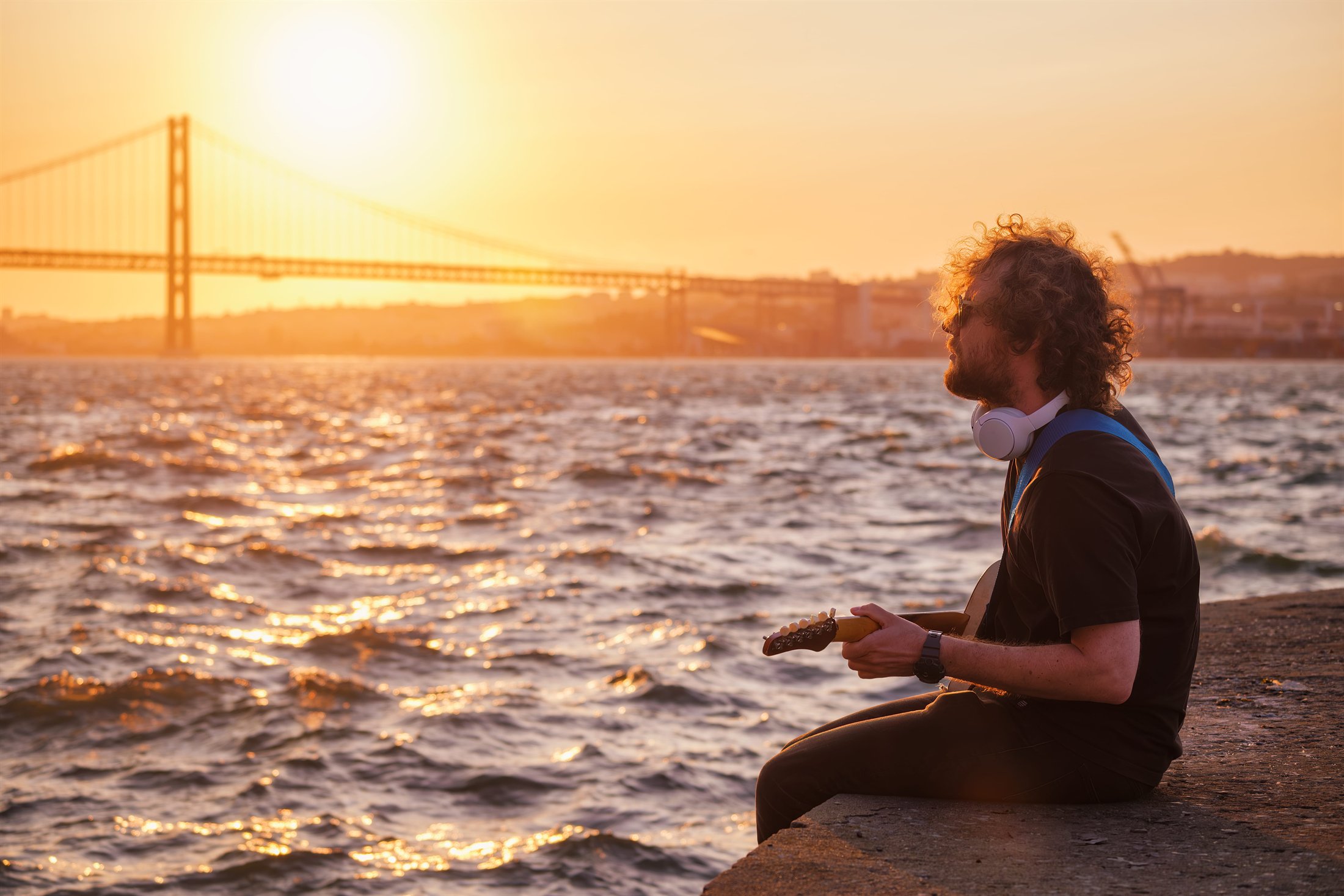
For a boat, bring a layer even in summer. River and ocean breezes feel cooler once the sun drops. For dinner, smart-casual is enough unless you have booked a very formal restaurant.
What not to pack for Portugal
Packing light matters in Portugal because many hotels, rentals, train stations, and old-town streets are not built around huge luggage. If your itinerary has several transfers, stairs, or historic centers, every extra item becomes part of the trip.
Leave these behind unless you have a specific reason:
- Multiple pairs of heels.
- Shoes you have never worn before.
- Heavy winter coat for a standard Lisbon or Algarve trip.
- Only beachwear for a city-and-coast itinerary.
- Too many single-use outfits.
- Bulky handbags for sightseeing days.
- A giant suitcase for a fast train or multi-region route.
The best Portugal packing list is the one that helps you enjoy the day you actually planned.
Can you buy clothes in Portugal?
Yes, you can buy clothes in Portugal if you forget something. Lisbon, Porto, and larger Algarve towns have familiar international brands, local boutiques, shopping streets, malls, and practical basics. You do not need to panic if you forgot a sweater, scarf, rain layer, or sandals.
Shops change, stock changes, and opening hours change, so it is safer to think in categories and neighborhoods than to depend on a long list of store names.
Useful things to buy locally:
- A scarf or wrap for wind and churches.
- A rain layer or umbrella if Porto is wetter than expected.
- Comfortable sandals if yours are not working.
- Cork accessories, Portuguese textiles, or small locally made items.
- A tote bag for markets and beach days.
In Lisbon, Chiado and Avenida da Liberdade have many shopping options. In Porto, Rua de Santa Catarina is a practical central shopping area. For more local pieces, look for Portuguese-made textiles, ceramics, cork, and accessories rather than buying a whole new wardrobe.
Portugal outfits packing list for 7 to 10 days
Use this as a base, then adjust for season and region.
Clothes
- 4 to 5 tops or shirts.
- 2 pairs of trousers, jeans, or travel pants.
- 1 to 2 dresses, skirts, or shorts depending on season.
- 1 light sweater, cardigan, or overshirt.
- 1 rain shell or wind layer.
- 1 smart-casual outfit for dinner.
- Sleepwear and underwear.
- Swimwear if beach, pool, spa, Madeira, Azores, or Algarve is included.
Shoes
- 1 pair of grippy walking sneakers.
- 1 pair of supportive sandals, flats, or casual dinner shoes.
- Optional waterproof shoes or trail shoes for winter, Porto, north, Madeira, Azores, or hiking.
Day bag
- Water bottle.
- Sunglasses.
- SPF and lip balm.
- Light layer.
- Compact umbrella or rain shell when needed.
- Power bank.
- Small pack of tissues.
- Blister plasters.
- Scarf or wrap.
- Crossbody bag or daypack with secure closure.
Extras
- EU Type C/F adapter.
- Any prescription medication.
- Copies of key documents.
- Small tote bag for markets or beach items.
- Quick-dry towel for beach-heavy trips.
For families and groups, add more foot care, snacks, layers for children, and a realistic laundry plan. Children get wet, dusty, sandy, and hungry faster than adults do.
If you want the route, hotels, tours, restaurants, transfers, and confirmations coordinated around your group, Portugal travel support is the better fit than trying to hold every detail yourself.
FAQ: what to wear in Portugal
What should tourists wear in Portugal?
Tourists in Portugal should wear comfortable, neat, practical clothes: sneakers with grip, breathable tops, trousers or dresses, a light layer, and sun or rain protection depending on season. Portugal is casual, but beachwear should stay near the beach.
Can I wear shorts in Portugal?
Yes, you can wear shorts in Portugal, especially in summer, the Algarve, coastal towns, and casual sightseeing days. For churches, nicer restaurants, and cooler evenings, trousers, skirts, dresses, or smart-casual outfits may feel more appropriate.
What shoes should I wear in Lisbon and Porto?
Wear comfortable shoes with grip in Lisbon and Porto. Both cities have hills, cobblestones, stairs, and slick stone after rain. Sneakers, supportive sandals, or low waterproof shoes work better than heels, thin soles, or new untested shoes.
Do I need a jacket in Portugal in summer?
Yes, I would bring one light layer in summer, especially for Lisbon, Porto, coastal towns, boat trips, and evenings. A linen shirt, light cardigan, denim jacket, or thin wind layer is usually enough.
What should I wear to churches in Portugal?
For churches in Portugal, wear regular clothes rather than beachwear. Carry a scarf, wrap, or light shirt if your shoulders are bare. Covered shoulders and a respectful outfit are especially wise in smaller towns and religious sites.
What should I wear in Portugal in winter?
In winter, wear layers, a medium jacket, long trousers, sweaters, waterproof-friendly shoes, and a raincoat or umbrella. Lisbon and the Algarve are usually mild, while Porto, the north, and mountain areas need warmer and wetter planning.
Can I buy clothes in Portugal if I forget something?
Yes. Lisbon, Porto, and larger towns have plenty of places to buy clothes, shoes, scarves, rain layers, and basics. Still, bring tested walking shoes from home if you can, because finding the right pair during a short trip can waste valuable time.
Final thoughts: pack for the trip you are actually taking
The best clothes for Portugal are not the fanciest clothes in your closet. They are the pieces that let you walk comfortably, adapt to weather, enter churches respectfully, enjoy dinner without feeling underdressed, and move between regions without dragging a suitcase you resent.
Start with shoes. Add layers. Respect the season. Then look at your route. If your plan includes Lisbon hills, Porto rain, Douro wine, and Algarve beaches, your suitcase is telling you the same thing your itinerary is telling you: Portugal works best when the days have flow.
If you want Julia to build that flow around your dates, pace, and travel style, start with the Travel Planner service. If you want the plan, bookings, providers, confirmations, and in-trip coordination handled too, Travel Support is the stronger fit.