Table of Contents
- Is Portugal expensive to visit?
- Is Portugal expensive to visit by travel style?
- What actually makes Portugal expensive?
- Portugal costs by category
- Is Portugal expensive to visit by region?
- Sample Portugal trip budgets
- Is Portugal expensive to visit for families, couples, solo travelers, or honeymoons?
- How to keep Portugal affordable without making the trip feel cheap
- Where it is worth spending more
- When a Portugal travel planner can save money
- FAQ
- Final thoughts: Portugal is affordable when the trip has flow
Portugal is still affordable by Western European standards, but it's no longer cheap in every place, season, or travel style. If you're asking "is Portugal expensive to visit?", the honest answer is: it can be very good value, as long as you control accommodation, season, and route design.
The biggest mistake I see isn't one expensive seafood dinner. It's a trip that looks reasonable on paper but quietly stacks up costs: central Lisbon hotel, last-minute Sintra tickets, taxis because the days are too full, a rushed hop to Porto, then peak-season Algarve with no transport plan. That kind of itinerary can make Portugal feel much more expensive than it needs to be.
This guide breaks down realistic Portugal travel costs by trip style, region, and itinerary length. You'll see what to budget per day, where prices rise fastest, and where Portugal still feels wonderfully affordable.
If your route is already taking shape and you want local eyes on whether the budget and timing make sense, Julia can review it through a Travel Advisor consultation. If you want the route built from the beginning, the Travel Planner service is the better fit.
Key Takeaways
- Portugal is affordable compared with many Western European destinations, especially for food, wine, public transport, and walkable city days.
- Backpackers should plan around EUR 60-90 per day before flights, budget-comfort travelers around EUR 100-160, and mid-range travelers around EUR 180-300.
- Lisbon, Porto, Sintra, and the Algarve get expensive when you book late, travel in July or August, or add too many paid day trips.
- The cheapest-looking itinerary is not always the best value. Poor route flow can add transport costs, tired days, and missed experiences.
- For first-time visitors, the best value usually comes from a slower Lisbon plus Porto route, or Lisbon plus one carefully planned region.
Is Portugal expensive to visit?
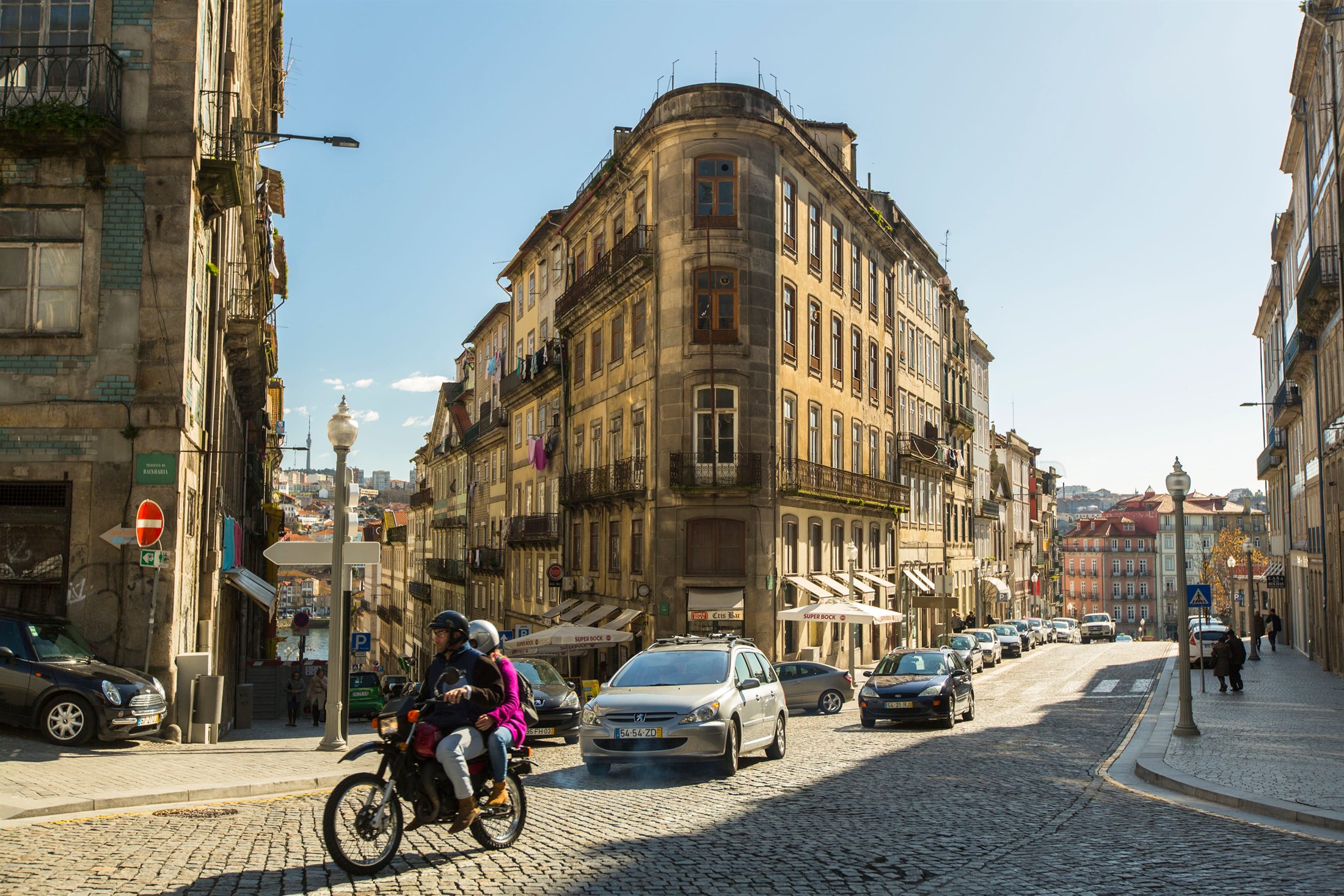
Portugal isn't expensive in the same way as Switzerland, Norway, London, or Paris. It's still one of the better-value countries in Western Europe for travelers who enjoy local restaurants, train travel, seaside walks, wine, simple cafes, and compact historic cities.
But the old idea that Portugal is "cheap Europe" needs updating. Lisbon hotel prices have risen, Porto is no longer a secret, Sintra requires more planning than it used to, and the Algarve can become costly in July and August. Portugal also welcomed strong tourism demand in 2025, with Turismo de Portugal reporting 32.5 million guests and EUR 29.1 billion in tourism receipts.
That demand matters because the most popular places are where travelers feel price pressure first. A pastel de nata, metro ride, or glass of vinho verde may still feel inexpensive. A central hotel room in Lisbon during a busy week may not.
Accommodation is the clearest place to see how Portugal's prices have changed:
| Accommodation Type | Typical Planning Range |
|---|---|
| Hostel dorm | EUR 20-45 per bed |
| Simple guesthouse/private room | EUR 60-120 per room |
| Mid-range hotel | EUR 150-300 per room |
| Boutique or 4-star hotel | EUR 300-550+ per room |
| 5-star/luxury stay | EUR 500+ per room |
These are working ranges per room, not guaranteed rates. Lisbon, Porto, Comporta, Douro wine hotels, Madeira, and Algarve resorts can exceed them during high-demand periods. Solo travelers carry the full room cost, while couples can split it between two people. Unless stated otherwise, the daily and trip budgets below are per person and assume two guests sharing one room; solo travelers should allow more for accommodation.
Is Portugal expensive to visit by travel style?
Your trip to Portugal cost depends less on whether Portugal is "cheap" and more on how you travel. The same 10 days can be EUR 1,000, EUR 2,000, or EUR 5,000+ per person, depending on where you sleep, when you go, and how often you change regions.
Backpacker: EUR 60-90 per day
Portugal is still friendly to backpackers if you're flexible. Lisbon, Porto, Lagos, Coimbra, and Faro all have hostel options, casual food, and public transport connections.
A backpacker budget usually means:
- Dorm bed or very simple shared accommodation.
- Bakery breakfast or supermarket breakfast.
- One local lunch menu or simple dinner.
- Metro, bus, train, and walking.
- Free viewpoints, beaches, markets, and a limited number of paid sights.
This style works best outside peak summer. It's harder in August in Lisbon or the Algarve, when accommodation prices rise and the cheapest beds sell out early.
Budget comfort: EUR 100-160 per day
This is the style many practical travelers hope for: private room, local meals, and enough money for the sights that matter. It's possible, but the accommodation choice has to do a lot of work.
You may need to stay outside the most obvious tourist streets, book early, or choose Porto, Coimbra, Braga, Setubal, Evora, or the Alentejo coast instead of making every night central Lisbon. You can still eat well, especially if lunch is your main meal and dinner is simpler.
The main warning: don't build a budget trip around too many one-night stays. Each move creates transport costs, luggage stress, and the temptation to use taxis or private transfers because you're tired.
Mid-range: EUR 180-300 per day
For most first-time Portugal visitors, this is the realistic comfort range. It allows a shared 3-star hotel room or apartment, good local restaurants, trains between Lisbon and Porto, a few museum or palace tickets, and one or two guided experiences.
This is also where Portugal often feels most affordable. You can eat very well without fine dining, use trains without renting a car, and choose a couple of meaningful paid experiences instead of filling every day with tours.
Imagine Anna and Mark, a couple planning nine nights in May. Their first draft had Lisbon, Sintra, Porto, Douro, Lagos, and a flight home from Lisbon. On paper, nothing looked outrageous.
Then they added train tickets, a rental car in the Algarve, parking, two airport transfers, and a few "we're tired, let's take a taxi" moments. Suddenly, the trip was more expensive and less relaxed. A cleaner Lisbon, Sintra, Porto, and Douro route gave them better hotels, better dinners, and fewer wasted travel hours for almost the same budget.
Comfortable boutique: EUR 300-500 per day
This range fits travelers who want charming hotels, a few taxis, better restaurants, and some private logistics without going fully luxury. It is common for honeymoons, anniversaries, parents traveling with adult children, and travelers who value comfort but still want local texture.
The money goes fastest into accommodation. Boutique hotels in practical Lisbon neighborhoods, Douro wine estates, Comporta stays, and peak-season Algarve hotels can shift the daily average quickly.
This is where planning matters. A well-chosen boutique hotel in the right neighborhood can save taxi time and make the whole stay easier. A beautiful hotel in the wrong base can create expensive transfers every day.
Luxury: EUR 500+ per day
Luxury Portugal is no longer a bargain category. Five-star hotels, private drivers, private guides, boat days, premium wine experiences, and fine dining can easily push a trip above EUR 500 per person per day, often much higher.
Portugal can still feel like good value in the luxury tier compared with some parts of France or Italy. But the difference is not automatic. The best value comes from using private support where it changes the day: Sintra timing, Douro wine planning, Algarve boat logistics, or hotel selection for a special occasion.
What actually makes Portugal expensive?
Portugal becomes expensive when several small planning decisions point in the same direction. A high hotel rate is obvious. The quieter costs are harder to see before you travel.
Accommodation in Lisbon, Porto, and the Algarve
Accommodation is the biggest swing factor in most Portugal budgets. Lisbon usually sets the high-water mark for city hotels, especially in spring, early autumn, event weeks, and summer. Porto can be slightly better value, though the gap has narrowed in popular neighborhoods.
The Algarve is the most seasonal. It can be surprisingly affordable outside summer, then jump quickly in July and August. If you want beach weather but also value, May, June, September, and early October often feel better than peak school-holiday season.
The trick is not always choosing the cheapest hotel. It is choosing a base that keeps daily transport simple. A slightly more expensive hotel near the right metro line, train station, or walking route can beat a cheaper stay that forces taxis twice a day.

Peak season and event weeks
The most expensive periods are usually July and August, Easter week, Christmas and New Year, and major event periods. Lisbon and Porto also see price spikes around conferences, festivals, concerts, and football matches.
If your dates are flexible, shoulder season is the best Portugal value zone. April, May, September, October, and parts of November can bring better hotel rates, more pleasant walking weather, and easier restaurant availability.
Too many regions in too few days
This is the cost trap I see constantly. Portugal looks small on a map, so travelers assume they can combine Lisbon, Sintra, Porto, Douro, Algarve, and maybe Madeira in one trip without much penalty.
The penalty is not only money. It is energy.
Every region change means packing, checking out, reaching the station or airport, transferring, checking in, and reorienting. When a trip is too tight, people spend more on taxis, private transfers, convenience meals, and last-minute decisions. A slower route often feels more affordable because the days breathe.
Private transfers, taxis, and last-minute transport
Portugal's public transport can be excellent for the right routes. Lisbon's metro and Carris network remains affordable: the 2026 Metro Lisboa fare sheet lists a Carris/Metro single ticket at EUR 1.90 and a 24-hour Carris/Metro ticket at EUR 7.25.
For longer distances, trains can be good value if booked sensibly. CP's 2026 Alfa Pendular fare table lists Lisbon to Porto Campanha in Turistica around EUR 35.70 at regular adult fare, with promotional examples sometimes much lower through CP's own campaigns.
The problem comes when the itinerary does not match transport reality. Rural hotels, Douro quintas, small Algarve beaches, and Alentejo villages may require a car, driver, or careful planning. A route that ignores this can look cheap until the actual movement starts.
Day trips with multiple ticketed stops
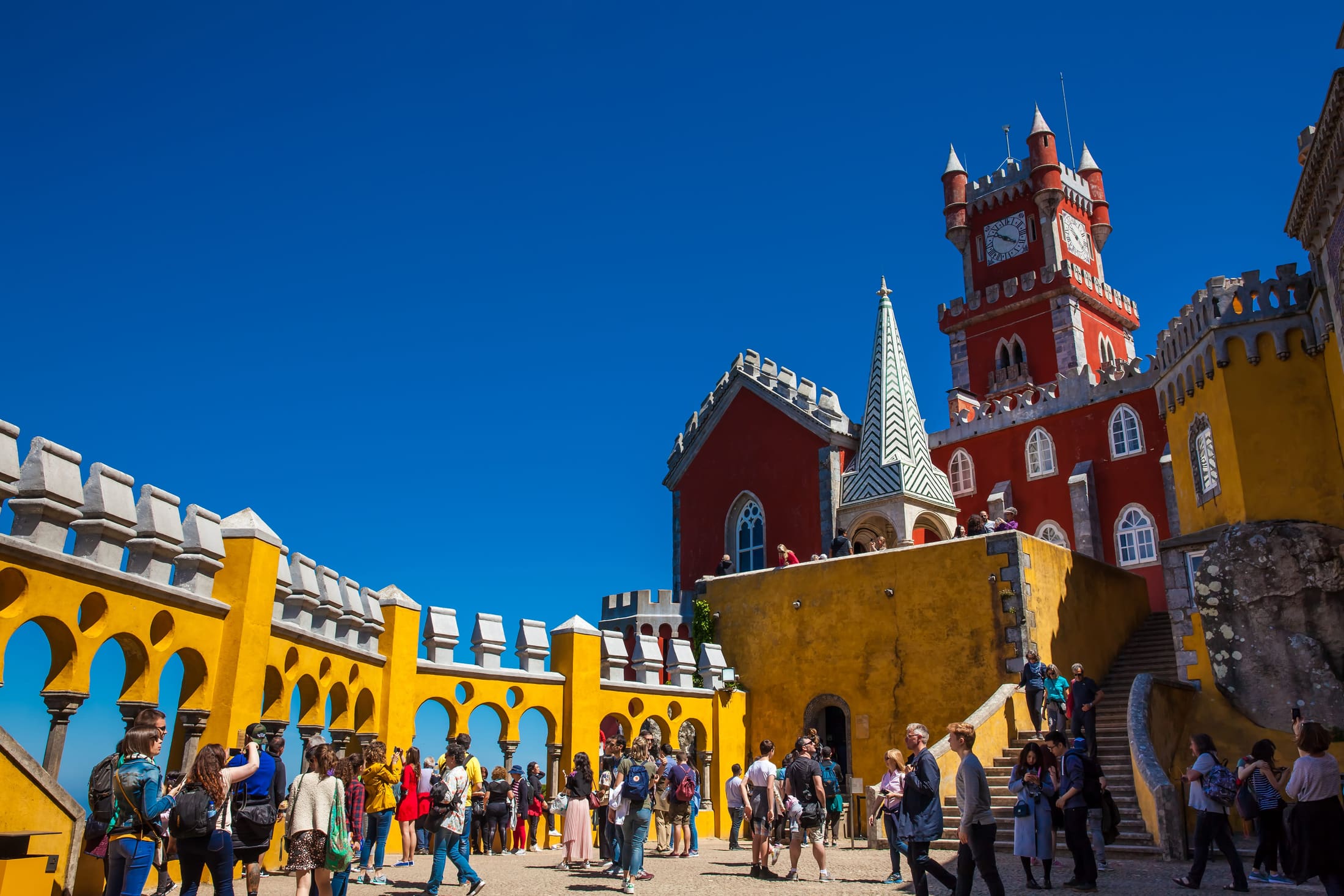
Sintra is the classic example. It is close to Lisbon, but it is not always a cheap day if you visit multiple palaces, use tourist buses, add taxis, and eat in the busiest center.
Quinta da Regaleira's 2026 adult ticket is EUR 20 according to the official Regaleira pricing page. Add Pena Palace, transport up the hill, lunch, and a return train, and the day can become one of the more expensive days of a budget trip.
That doesn't mean skip Sintra. It means plan it properly. For some travelers, especially families, older parents, or anyone short on time, a private Sintra day tour can be better value than a chaotic self-guided day that saves money but drains everyone.
Portugal costs by category
Accommodation
Accommodation has the widest range. A hostel bed in shoulder season and a boutique Lisbon hotel in June are not the same universe.
Use the accommodation ranges in the opening table as a planning baseline, then check your exact dates and destination before booking.
If you are comparing hotels, check the total cost, not just nightly rate. Breakfast, city tax, parking, location, cancellation terms, and whether you will need taxis all matter.
Food and drink
Food is one reason Portugal still feels affordable. You can spend a lot on seafood, tasting menus, and waterfront restaurants, but you do not need to spend heavily to eat well.
Basic planning ranges:
| Meal Type | Typical Cost Per Person |
|---|---|
| Cafe breakfast | EUR 4-8 |
| Pastry and coffee | EUR 2-5 |
| Local lunch or prato do dia | EUR 10-18 |
| Casual dinner | EUR 18-35 |
| Seafood dinner or better restaurant | EUR 35-70+ |
| Glass of wine | EUR 3-7 |
Tourist-center restaurants can double the cost without doubling the pleasure. In Lisbon, this often changes street by street. A terrace with a view may be worth it once. For daily meals, neighborhoods like Campo de Ourique, Estrela, Arroios, Principe Real side streets, and parts of Alcantara can feel better than the busiest Baixa and riverside strips.
For more beginner practicalities, keep an eye on Travel-Luck's Portugal travel blog.
Transport
Transport is affordable when the route is simple. Lisbon and Porto are good city bases because you can walk, use metro/trams/buses, and add trains for day trips.
Good-value transport choices:
- Lisbon metro from the airport instead of a taxi when luggage and timing allow.
- Zapping or 24-hour transport tickets if you will ride several times in one day.
- Trains between Lisbon, Porto, Coimbra, Aveiro, and Faro when the schedule fits.
- Walking in central neighborhoods instead of short taxis.
Costs rise with:
- Automatic rental cars in peak season.
- Hotel parking in Lisbon or Porto.
- Private transfers between distant regions.
- Taxis caused by overpacked days.
- Algarve beach-hopping without a car or driver plan.
Do not rent a car just because "Portugal road trip" sounds romantic. In Lisbon and Porto, a car is usually a burden. In the Alentejo, Douro, interior villages, and parts of the Algarve, it can be the thing that makes the route work.
Attractions and tours
Portugal's attractions are often fairly priced, but the total depends on how many you stack in a day. Lisbon viewpoints, river walks, markets, churches, beaches, azulejo facades, and many neighborhood experiences are free. Palaces, museums, monasteries, wine estates, boat tours, and private guides are where the budget rises.
The Lisboa Card can help if you plan enough paid sights in a short window. The official Visit Lisboa shop lists standard adult prices of EUR 31 for 24 hours, EUR 51 for 48 hours, and EUR 62 for 72 hours, valid from April 1, 2026 to March 31, 2027. A lower online promotional price may be available. It is not automatically worth it if your days are mostly walking, eating, and wandering.
Private tours should be chosen carefully. They are not the cheapest line item, but they can be the best value when logistics, timing, or context matter. Sintra, Douro Valley, and certain Lisbon first-day experiences are good examples.
For the broader menu of guided options, see Travel-Luck's Portugal private tours.
Is Portugal expensive to visit by region?
Portugal is not one price. A week split between Lisbon and Porto will cost differently from a week in the Algarve, and both will differ from a slow Alentejo route.
| Region | Relative Cost | Where Budget Stretches | What Raises Costs |
|---|---|---|---|
| Lisbon | High for Portugal | Public transport, cafes, free viewpoints | Central hotels, tourist restaurants, taxis, event weeks |
| Porto | Medium-high | Food, wine, walkable center | Ribeira hotels, Douro add-ons, peak weekends |
| Sintra | Medium to high day trip | Train from Lisbon, selective palace visits | Multiple tickets, hill transport, private car, peak crowds |
| Algarve | Highly seasonal | Shoulder season, simple towns, beaches | July-August hotels, beach transport, boat trips |
| Douro Valley | Medium to high | Day trip from Porto, shared tastings | Wine estate stays, private drivers, premium tastings |
| Alentejo | Medium | Slower travel, rural stays, local food | Rental car, remote boutique hotels |
| Madeira | Medium to high | Hiking, local food, longer stays | Flights, car rental, guided nature tours, peak lodging |
Lisbon
Lisbon is where many travelers first ask, "is Portugal expensive?" The answer depends on what part of Lisbon they are experiencing.
Public transport, pastries, wine, viewpoints, and neighborhood wandering can feel affordable. Hotels, tuk-tuks, tourist restaurants, rooftop bars, and last-minute central stays can feel much less so.
For a first trip, Lisbon is still usually the best starting point. It gives you arrival ease, day-trip access, and a natural rhythm before moving north or south.
Porto
Porto is often slightly cheaper than Lisbon, especially for food and some accommodation, though the most popular areas are no longer low-cost. The city is compact, atmospheric, and very strong for travelers who want food, wine, river views, and a slower pace.
Porto's budget trap is the Douro add-on. A casual city stay can be reasonable; a full wine-country day with transport and tastings costs more. That can still be money well spent if wine is central to the trip.
Algarve
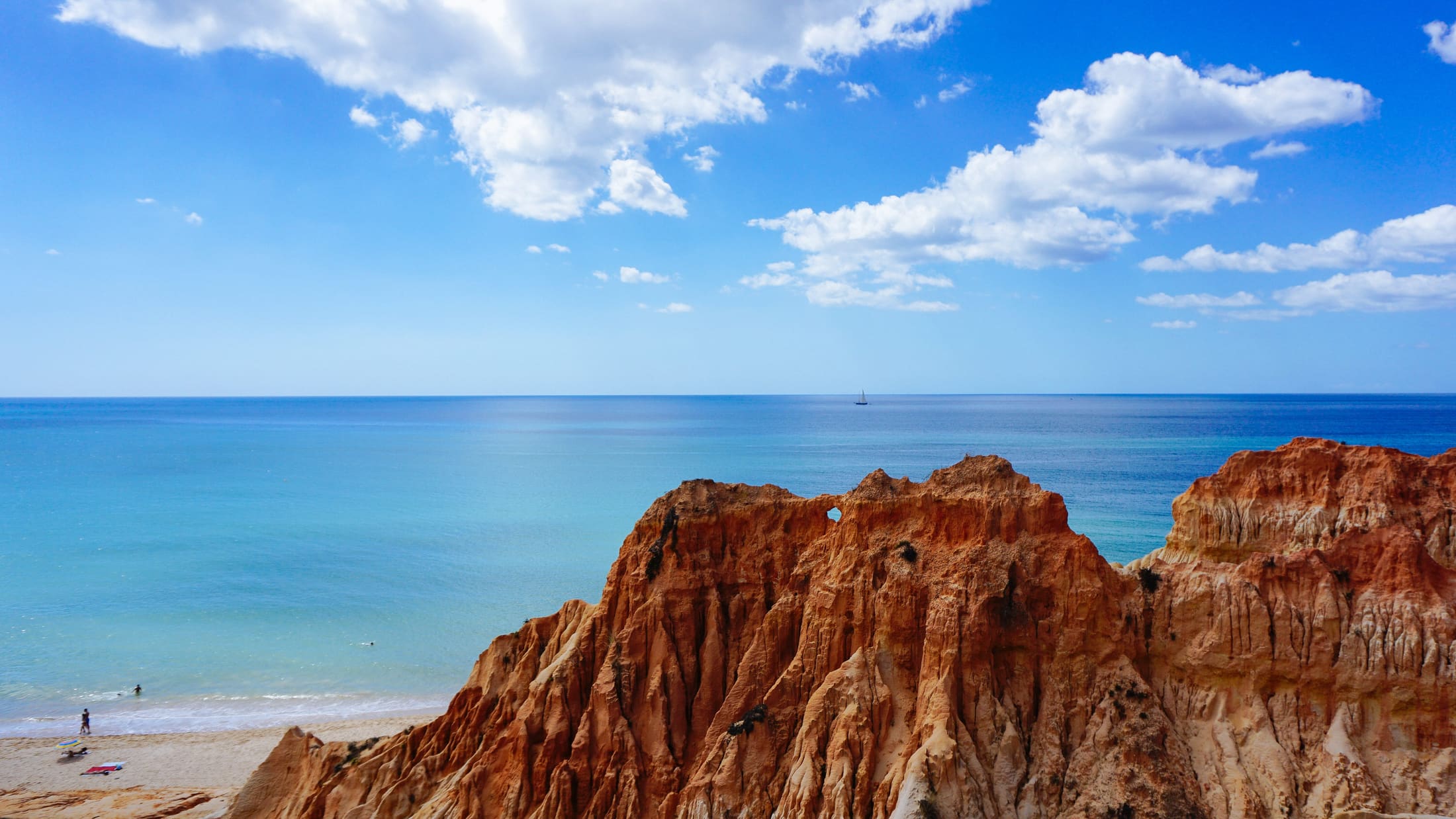
The Algarve can be affordable or expensive depending almost entirely on season and base. Lagos, Tavira, Faro, Olhao, Albufeira, and resort areas do not price the same way, and July-August changes everything.
Budget travelers often underestimate transport here. Beaches and viewpoints are not always connected by easy public transport. A rental car, boat trip, taxi, or private driver may be needed if you want more than one base or several coastal stops.
If your goal is quiet coastal beauty, build the Algarve section around the towns and beaches you actually want, not only the busiest names.
Douro Valley
The Douro Valley is not usually a budget destination if you want wine estates, river views, and comfortable logistics. But it can be excellent value as a carefully chosen day trip or one-night splurge.
The question is whether wine is a priority. If yes, spend here. If no, do not add the Douro just because it appears on every Portugal itinerary. A rushed day can be costly and tiring.
Alentejo and smaller towns
The Alentejo, Centro, Minho, and smaller inland towns often stretch a budget further. Food can be excellent, lodging may be gentler, and the pace is slower.
The tradeoff is transport. You may need a car, and you should plan around driving time rather than simply chasing the lowest hotel rates.
Sample Portugal trip budgets
These are rounded planning ranges per person, excluding international flights. They assume sensible advance booking, two guests sharing one room, and no peak-event pricing or luxury splurges. The Budget, Mid-range, and Comfortable columns correspond to the daily travel styles above.
| Trip | Budget | Mid-range | Comfortable |
|---|---|---|---|
| 5 days Lisbon + Sintra | EUR 500-800 | EUR 900-1,500 | EUR 1,500-2,500 |
| 7 days Lisbon + Porto | EUR 700-1,120 | EUR 1,260-2,100 | EUR 2,100-3,500 |
| 10 days Lisbon + Sintra + Porto + Douro | EUR 1,000-1,600 | EUR 1,800-3,000 | EUR 3,000-5,000 |
| 14 days Lisbon + Porto + Algarve | EUR 1,400-2,240 | EUR 2,520-4,200 | EUR 4,200-7,000 |
5 days in Lisbon with one Sintra day
This is a strong first-trip option if you want a compact visit. Stay in Lisbon, use public transport, and treat Sintra as the one bigger day.
Budget travelers can keep costs under control by staying outside the most expensive center, eating local lunches, and choosing one or two paid sights in Sintra rather than trying to do every palace. Mid-range travelers can add better dinners and a guided Lisbon or Sintra experience.
7 days in Lisbon and Porto
This is one of the best-value first Portugal routes. You avoid the cost and time of going too far south, and you get two distinct cities with a simple train connection.
Nina, a solo traveler from Toronto, originally planned Lisbon, Porto, Lagos, and Evora in seven nights. Her accommodation wasn't outrageous, but the route made her pay for speed: late trains, one domestic flight option, luggage storage, and two nights where she would arrive too tired to enjoy dinner.
She changed to Lisbon and Porto only, added a day in Sintra, and used the saved money for a food tour and a better Porto hotel. The trip became less "cheap" on paper but far better value in real life.
10 days in Lisbon, Sintra, Porto, and Douro
This is a comfortable route for travelers who want culture, food, wine, and a sense of north-south contrast without cramming in the Algarve.
The budget rises if you overnight in the Douro or book premium wine tastings. That can be a good splurge. Just don't combine a big Douro day with a late train, an early checkout, and a next-day flight. Portugal rewards space.
14 days in Lisbon, Porto, and Algarve
Two weeks gives you room to include the Algarve without making the trip feel like a race. The main cost variable is season. In May, June, September, or October, this route can be balanced and beautiful. In August, the Algarve portion may dominate the budget.
If you want beach time, build the whole trip around it honestly. If the Algarve is only a checkbox, consider Alentejo, Cascais, Comporta, or more time in the north instead.
Is Portugal expensive to visit for families, couples, solo travelers, or honeymoons?
The answer changes by group. Portugal can be affordable for all of these travelers, but the pressure points are different.
Solo travelers
Solo travelers spend more per person on rooms unless they use hostels or guesthouses priced for one. Lisbon and Porto are excellent solo bases because they are walkable, social, and well connected.
The best savings come from fewer region changes, public transport, and choosing activities where solo pricing is fair. Private transfers and private tours are harder to absorb alone, so use them selectively.
Couples
Couples often get the best value because they split accommodation, taxis, and some private logistics. A mid-range couple can have a comfortable Portugal trip without luxury pricing if they avoid peak hotels and choose a clean route.
This is also the group most likely to benefit from one or two splurges: a private Sintra day, a Douro wine day, or a boutique hotel in Lisbon for the first nights.
Families
Families can save per person by sharing rooms or apartments, but costs rise in other ways. You may need larger rooms, earlier dinners, more taxis, laundry, private transport, and slower days.
For families, the cheapest plan is not always the best plan. A difficult train connection with luggage and tired children may not be worth the savings. This is where Portugal travel support can help if you want bookings, transfers, confirmations, and schedule details coordinated.
Honeymoons and anniversaries
Portugal can be excellent value for romantic trips, but not if every night is treated like the main splurge. Choose where the trip should feel special.
Maybe that's a Lisbon sunset boat, a Douro wine estate, a boutique hotel in Porto, or a beautiful Algarve stay. Then keep other days simple: local lunches, slow mornings, viewpoints, and one good dinner instead of three overplanned experiences.
Older travelers or mobility-conscious trips
Portugal's hills, cobblestones, palace slopes, and train-station stairs can change the budget. The cheapest transport may not be the right transport.
For older parents or travelers with mobility concerns, spend on comfort where it prevents a bad day: the right hotel location, a tuk-tuk overview in Lisbon, private Sintra logistics, or fewer hotel moves.
How to keep Portugal affordable without making the trip feel cheap
The goal isn't to strip the trip down until it feels like homework. The goal is to spend where it changes the experience and save where it doesn't.
Travel in shoulder season
April, May, September, October, and parts of November are often the sweet spot. You can get better walking weather, less pressure on hotels, and a calmer experience in places like Lisbon, Sintra, Porto, and the Algarve.
Winter can be good value, especially for city trips, but expect rain and shorter days. Summer can be wonderful, but you should book earlier and budget more for accommodation.
Choose bases carefully
A cheaper hotel far from the rhythm of your trip may not save money. If you need taxis every morning and evening, or if you waste energy commuting, the budget win disappears.
In Lisbon, being near a metro line or practical walking route matters. In Porto, think about hills and river access. In the Algarve, choose your base around the beaches and towns you actually want, not just the lowest nightly rate.
Use trains where they make sense
Lisbon to Porto is usually a train-friendly route. Lisbon to Sintra is also easy by train, though the Sintra hill logistics still need thought. Lisbon to the Algarve can work by train, depending on your base.
But don't force public transport everywhere. For rural Alentejo, Douro wine estates, and scattered Algarve beaches, a car or private transport may be more efficient.
Eat your best meals at lunch
Lunch is often better value than dinner. Many local restaurants offer simpler daily dishes, and you can still eat well without committing to a heavy evening meal every night.
For budget control, mix:
- Cafe breakfasts.
- Local lunches.
- Simple dinners on travel days.
- A few chosen restaurant nights.
- Picnics for beach, viewpoint, or train days.
Pick one or two private experiences
If every day is private and guided, the budget rises quickly. If no day has support, you may miss the places where local help really matters.
For many travelers, the best balance is one private experience in the most logistically sensitive part of the trip. Sintra is a strong candidate. Douro can be another. A Lisbon first-day walk can also help you settle into the city with context instead of wandering randomly.
Do not overpack the route
This is the most underrated money-saving tip. A trip with fewer bases is often cheaper, calmer, and better.
If you have one week, Lisbon plus Porto or Lisbon plus Algarve is usually stronger than Lisbon, Porto, Algarve, and Douro all together. If you have 10 days, you can add more. If you have two weeks, Portugal opens up beautifully.
Where it is worth spending more
Not every splurge is wasteful. Some spending protects the quality of the trip.
Spend more on:
- A hotel location that fits your actual daily plans.
- A private Sintra day if timing, crowds, or mobility matter.
- A Douro wine experience if wine is a real priority.
- A rental car for regions where it creates freedom, not stress.
- Travel planning help when the route has multiple regions, children, older parents, or special-occasion expectations.
Save on:
- Tourist-trap restaurants in the busiest streets.
- Extra hotel moves just to "cover" more places.
- Taxis inside Lisbon when metro or walking is easy.
- Paid viewpoints when free miradouros are nearby.
- Attractions added only because they appeared on someone else's must-see list.
Good value is not always the lowest price. Good value is when the money improves the day.
When a Portugal travel planner can save money
A travel planner doesn't make Portugal cheaper by magic. The value is in avoiding the decisions that quietly waste money: wrong bases, unrealistic transfers, overbooked days, unnecessary car rental, poorly timed Sintra visits, or hotels that look beautiful but make every day harder.
If you already have a route, a local review of your Portugal plans can help you see whether the budget and timing match reality. If you want Julia to build the whole route around your dates, interests, comfort level, and budget, choose a custom Portugal itinerary.
For busy travelers, families, or groups who want hotels, tours, transfers, restaurants, and confirmations coordinated, Travel Support is the more complete option.
Think of it this way: the question isn't only "is Portugal affordable?" It's "is this version of Portugal affordable for the way I want to travel?"
FAQ
Is Portugal expensive to visit in 2026?
Portugal isn't expensive compared with many Western European destinations, but it's not uniformly cheap. Lisbon hotels, peak-season Algarve stays, private transfers, and rushed multi-region routes can raise costs quickly. Most mid-range travelers should plan around EUR 180-300 per person per day before international flights, assuming two guests share one room.
Is Portugal cheap compared with Spain, Italy, or France?
Portugal is often cheaper than France and many parts of Italy, especially for casual food, wine, public transport, and some accommodation. Spain is a closer comparison. Portugal may be cheaper in some categories, but Lisbon, Porto, and the Algarve can match or exceed Spanish hotspots in peak periods.
How much does a trip to Portugal cost for one week?
A one-week Portugal trip can cost around EUR 700-1,120 per person on a careful budget, EUR 1,260-2,100 for mid-range comfort, and EUR 2,100-3,500+ for a comfortable boutique style, excluding international flights. These ranges assume two guests sharing one room; solo travelers should allow more for accommodation.
Can I visit Portugal on EUR 100 a day?
Yes, but EUR 100 per day is the lower edge of budget comfort. It is most realistic for two people sharing a simple room outside peak season, or for a solo traveler using a hostel or very simple accommodation. You will also need to book early, use public transport, eat local meals, and limit paid tours. It is much harder in central Lisbon or the Algarve during peak season.
Is Lisbon more expensive than Porto?
Usually, yes. Lisbon often costs more for accommodation and tourist-area dining. Porto can be better value, though popular riverfront and central stays have risen in price. The best choice is not only the cheaper city; it is the city that fits your route.
Is the Algarve expensive?
The Algarve is highly seasonal. It can be good value in shoulder season and winter, then much more expensive in July and August. Transport also matters because beaches, caves, viewpoints, and towns are spread out.
What is the cheapest month to visit Portugal?
January, February, and parts of November are often among the cheapest, especially for cities. For the best mix of value, weather, and experience, look at March, April, May, October, and early November, depending on the region.
How much cash should I bring to Portugal?
Cards are widely accepted in Lisbon, Porto, and tourist areas, but keep some cash for small cafes, markets, taxis, rural restaurants, and occasional minimum-card-payment situations. For most travelers, EUR 50-100 in cash at a time is enough, with ATM access as needed.
Is Portugal affordable for families?
Portugal can be affordable for families, especially if you choose apartments or family rooms and avoid too many hotel moves. Costs rise with private transport, larger rooms, peak school-holiday dates, and paid attractions for several people. Families often get better value from slower routes.
What is the biggest hidden cost in Portugal?
The biggest hidden cost is poor pacing. Too many regions in too few days leads to taxis, transfers, luggage storage, missed trains, convenience meals, and tired decisions. A realistic route is one of the best ways to keep Portugal affordable.
Final thoughts: Portugal is affordable when the trip has flow
So, is Portugal expensive? Not by Western European standards. But it's easy to make Portugal expensive if the route is rushed, the hotels are booked late, or every day depends on paid logistics.
The best Portugal trips are not the cheapest or the most packed. They are the ones where the budget matches the pace: enough room for Lisbon mornings, Sintra timing, Porto dinners, Douro wine if it matters, or Algarve beach days without constant movement.
If you want the budget to feel realistic before you book, start with the route. Decide how many regions your dates can truly hold, then choose where to save and where to spend.
Julia can help with a Travel Advisor review if you already have a plan, a day-by-day itinerary if you want the route built, or Travel Support if you want the bookings and logistics coordinated too.