
Table of Contents
- How many days do you need in Lisbon? The short answer
- Lisbon Trip Length at a Glance
- If You Have One Day in Lisbon
- If You Have Two Days in Lisbon
- If You Have Three Days in Lisbon
- If You Have Four Days in Lisbon
- If You Have Five Days in Lisbon
- How Many Days for Lisbon and Sintra?
- How Many Days in Lisbon as Part of a Portugal Itinerary?
- What Changes the Number of Days You Need?
- What to Skip If You Are Short on Time
- Lisbon Days by Traveler Type
- FAQ: How many days do you need in Lisbon?
- Final Recommendation: Choose the Lisbon Trip That Still Feels Good
Most first-time visitors need three full days in Lisbon, or four days if they want to include Sintra without rushing the city itself. Two days can work for a quick city break, but five days is better for slower travelers, families, food lovers, and anyone who wants both Sintra and Cascais.
The mistake is not usually choosing the wrong number. It is counting the wrong kind of day. A late arrival, an early flight, a jet-lagged morning, or a full Sintra day can quietly steal the time you thought you had.
I plan Lisbon trips from Lisbon, so I see this often: travelers arrive with a beautiful list and no space between the pieces. This guide will help you choose the right length for your pace, not just the most ambitious itinerary on a map.
Key Takeaways
- Three full days is the best Lisbon length for most first-time visitors.
- Two days works for a quick city break, but you will need to choose carefully.
- Four days is better if Sintra is important and you do not want to rush Lisbon itself.
- Five days suits slower travelers, families, food lovers, and anyone adding Cascais or a second day trip.
- If Lisbon is part of a one-week Portugal trip, keep Lisbon focused so Porto, Douro, or Algarve do not become rushed.
If you want Lisbon, Sintra, Porto, Douro, or Algarve arranged into a route that fits your dates and energy, Julia can build it through the Travel Planner service. If you already have a draft route, start with a lighter Travel Advisor review.
How many days do you need in Lisbon? The short answer
For most first-time travelers, three full days in Lisbon is the right balance. It gives you time for Alfama, Baixa, Chiado, Belem, viewpoints, food, and one slower evening for Fado, a sunset boat, or a proper dinner.
Four days is my stronger recommendation if Sintra is high on your list. Sintra deserves a full day, and it should not be squeezed into a trip as if it were just one more viewpoint outside the city.
Five days is not too long. It is ideal if you want Lisbon to feel like a lived-in city instead of a set of stops to finish. With five days, you can add Cascais, take a slower food day, visit more museums, or simply leave room for the city to surprise you.
The important detail is full days versus nights. Two full days usually means three nights. Three full days often means four nights, especially if your flight arrives late or leaves early. If you want three Lisbon days plus Sintra, plan four full days or five nights when possible.

Lisbon Trip Length at a Glance
| Time in Lisbon | Best for | What it can cover | Watch-out |
|---|---|---|---|
| 1 day | Cruise stop, layover, tight Portugal route | Baixa, Chiado, Alfama viewpoint, quick food stop | Too short for Belem or Sintra |
| 2 days | Quick city break | Alfama, Baixa, Chiado, Belem, one sunset | Selective and hilly, little room for delays |
| 3 days | Most first-timers | Main neighborhoods, Belem, food, viewpoints, relaxed evening | Sintra may make the city feel compressed |
| 4 days | First-timers plus Sintra | Three Lisbon days plus one Sintra day | Needs ticket and transport planning |
| 5 days | Slow travel, families, day trips | Lisbon, Sintra, Cascais, museums, or deeper culture | May be too much if wider Portugal time is limited |
Use this table as a starting point, not a rule. A fit traveler on a weekend city break and a family traveling with grandparents should not follow the same Lisbon pace.
If You Have One Day in Lisbon
One day in Lisbon is a taste. It can be lovely, but it is not a full visit.
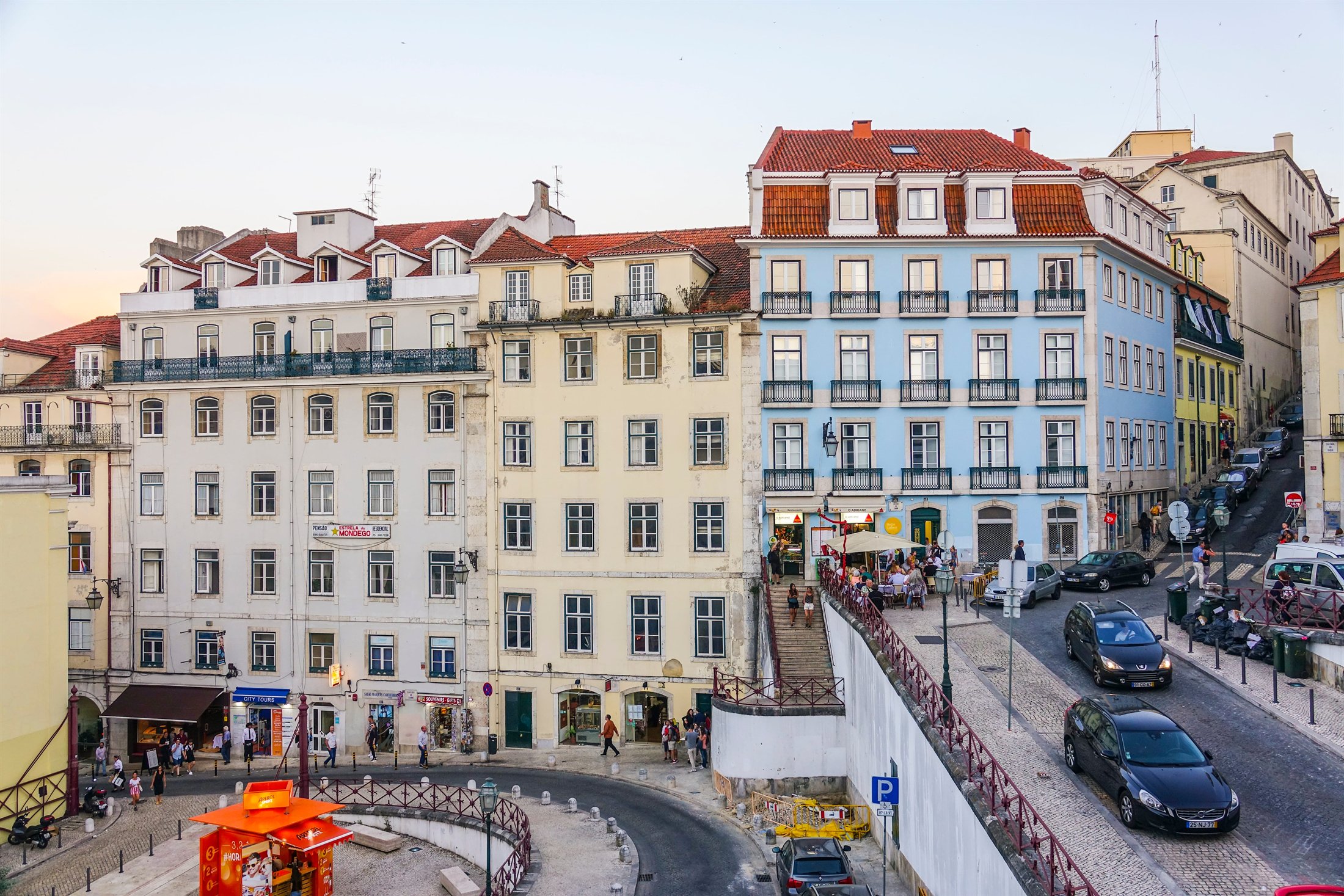
For one day, stay close to the historic core. Start around Praca do Comercio and Baixa, walk toward Chiado, then climb or ride up toward Alfama and one miradouro, the Portuguese word for viewpoint. If you are staying overnight, end with dinner in Alfama, Chiado, Principe Real, or near your hotel.
Do not try to add Belem and Sintra to one Lisbon day. Belem alone deserves a few hours, and Sintra is a separate full-day plan. If you have only one day, choose the city itself.
This is also when private help can be worth it. A private Lisbon walking tour can turn a short stay into a clear introduction. If hills are the concern, a Lisbon tuk-tuk tour can help you cover viewpoints and old neighborhoods with less walking.
What I would skip with one day:
- Tram 28 if the queue is long.
- Long museum visits.
- A faraway lunch reservation.
- Sintra.
- Restaurant-hopping across several neighborhoods.
One good day in Lisbon should feel focused. It should not feel like you are sprinting through someone else's top-20 list.
If You Have Two Days in Lisbon
Two days in Lisbon works for a weekend city break, a stopover, or a short first taste before Porto, Algarve, or Madeira. It is enough to understand the city, but only if you make choices.
Spend one day in the older central neighborhoods: Alfama, Baixa, Chiado, and one or two viewpoints. Start early in Alfama if you can. Before the narrow streets fill with tour groups and tuk-tuks, the neighborhood still has pockets of quiet: tiled facades, laundry lines, church bells, and older residents starting the day.
Use the second day for Belem and the riverfront. Belem connects Lisbon to the Age of Discoveries, and Visit Portugal describes it as the monumental area tied to Lisbon's voyages and World Heritage monuments. Pair it with a riverside walk, MAAT or LX Factory if they fit your style, and a sunset plan back closer to the center.

The temptation with two days is to add Sintra. You can, but it changes the trip completely. A Sintra day would replace one of your Lisbon days, not simply add a nice bonus.
I once reviewed a plan for Anna and Chris, who had two full days before flying to Madeira. Their draft included Alfama, Belem, Chiado, Bairro Alto, Sintra, Cascais, a Fado dinner, and a food tour. Nothing was wrong individually. Together, it was too much. We removed Sintra, kept one strong Lisbon day and one Belem/riverside day, and suddenly they had time for a real dinner instead of watching the clock from the train station.
That is the right way to think about two days. You are choosing a strong version of Lisbon, not apologizing for missing everything else.
If You Have Three Days in Lisbon
Three days is the Lisbon sweet spot for most first-time visitors. It gives you enough time to see the main areas while still leaving space for meals, hills, weather, and slower moments.
A strong three-day rhythm looks like this:
| Day | Focus | Best pace |
|---|---|---|
| Day 1 | Alfama, Baixa, Chiado, viewpoints | Historic core and orientation |
| Day 2 | Belem, riverfront, LX Factory or MAAT | Monuments and west Lisbon |
| Day 3 | Food, museums, Principe Real, Bairro Alto, sunset, or flexible catch-up | Deeper city day |
On day one, focus on the old city. Alfama, Baixa, Chiado, and a viewpoint can easily fill the day. If you love history, include Lisbon Cathedral or Sao Jorge Castle. If you prefer atmosphere, skip the castle ticket and spend more time walking viewpoints and side streets.
On day two, go west to Belem. Visit Portugal's Lisbon page highlights Belem, Baixa, Chiado, Parque das Nacoes, historic neighborhoods, the Tagus, and Fado as part of the city's range. That is the point: Lisbon is not one compact old town. Three days lets you see more than one personality.
On day three, choose by your travel style. Food lovers can build the day around markets, bakeries, tascas, and a good dinner. Museum lovers can add the Gulbenkian, the National Tile Museum, MAAT, or smaller collections. Couples might choose a slow morning in Principe Real and a private Lisbon sunset boat tour on the Tagus.

Three days is also when Lisbon begins to feel less like a city of sights and more like a rhythm. You notice which hills are worth climbing, which cafes you want to return to, and which neighborhood feels like yours.
For a wider first-trip perspective, compare this with the Portugal 7-day itinerary before you lock the rest of the route.
If You Have Four Days in Lisbon
Four days is the best choice if Sintra matters to you. It gives you three days for Lisbon and one proper day for Sintra, which is a much calmer structure than trying to squeeze everything into three.
Sintra is beautiful, but it is not a simple add-on. The palaces are spread out, the hills are real, and the order of the day matters. The official Parques de Sintra plan-your-visit page notes traffic and access changes around Sintra, including restrictions for private vehicles near the Moorish Castle and Pena, and recommends planning transport and buying tickets online. It also notes that visiting Pena National Palace requires a time-slot reservation.
That is why I prefer to give Sintra its own day. A good first Sintra day might focus on Pena Palace and Quinta da Regaleira, with Sintra village or the coast added only if the pace still feels comfortable.
The official CP Sintra by train page points travelers from Lisbon's Rossio station toward Sintra and lists major sights including Sintra National Palace, Quinta da Regaleira, Pena Palace, and the Moorish Castle. The train is useful, but once you reach Sintra, the local movement between sights still needs planning.
Quinta da Regaleira also uses ticketed entry times. Its official visitor page notes timed slots and entry rules, so check the current details before building your day around it.
If you want the logistics handled, a private Sintra day tour is often worth it. This is especially true in high season, with children, with older parents, or when you want a coast stop without turning the day into transport management.

Four days in Lisbon gives you a much better emotional result: you experience Lisbon, then Sintra, instead of sacrificing one for the other.
If You Have Five Days in Lisbon
Five days is not too long in Lisbon if you travel slowly, care about food, enjoy museums, or want more than one day trip. It is also a good length for families and older travelers because it builds in recovery time.
With five days, I would usually structure it like this:
| Day | Focus |
|---|---|
| 1 | Alfama, Baixa, Chiado, viewpoints |
| 2 | Belem and the riverfront |
| 3 | Food, museums, Principe Real, Bairro Alto, or flexible Lisbon time |
| 4 | Sintra |
| 5 | Cascais, coast, a second museum day, or a slow local day |
Cascais is the natural extra day for many travelers. It gives you sea air, beaches, a different rhythm, and an easy contrast with Lisbon's hills. Use the official Visit Cascais site for destination context and current visitor information.
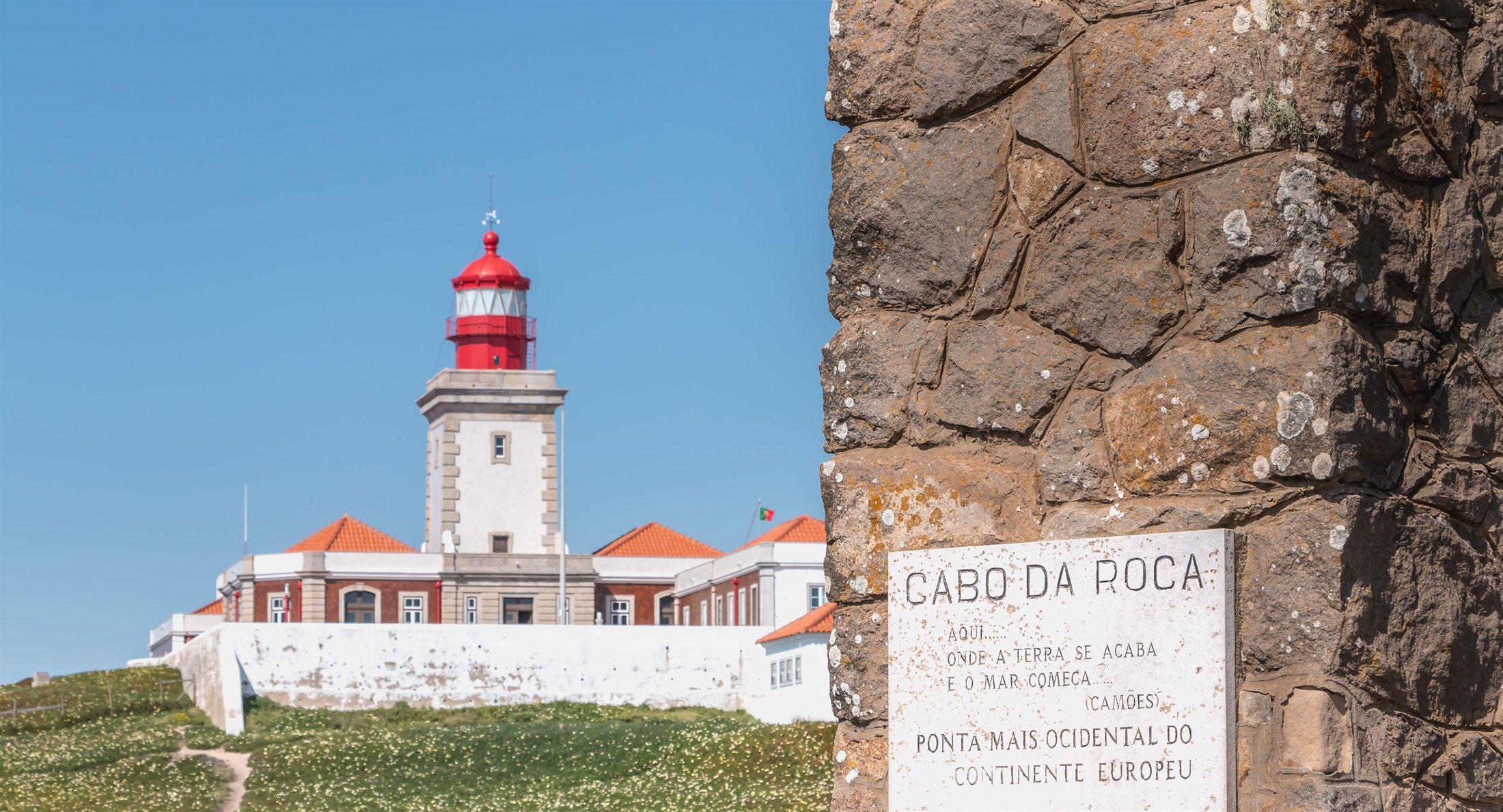
Five days also lets you split your energy. Instead of doing Belem, LX Factory, a museum, and a sunset all in one long day, you can let one part breathe. That matters more than people think.
For example, a family I worked with had grandparents, two teenagers, and one child who needed a quiet afternoon most days. A standard three-day Lisbon itinerary would have looked efficient on paper and exhausting in real life. We stretched Lisbon to five days, used a tuk-tuk for the hillier sections, kept Sintra private and focused, and left one Cascais day flexible. They did not see more than everyone else. They enjoyed more of what they saw.
The caution is your total Portugal length. If you only have seven days in Portugal, five days in Lisbon may leave too little time for Porto, Douro, Algarve, or Alentejo. If your full trip is 10 or 14 days, five Lisbon days can be excellent.
How Many Days for Lisbon and Sintra?
Plan four full days if Lisbon and Sintra are both priorities. That gives you three days for Lisbon and one day for Sintra.
The minimum is three full days, but only if you accept a compressed city plan. In that version, you might spend two days in Lisbon and one day in Sintra. It works, but it means Belem, museums, food, and slow neighborhood time will compete for space.
The comfortable version is five days. That gives you Lisbon, Sintra, and either Cascais or a slower catch-up day. This is the version I prefer for families, honeymooners, older travelers, and anyone visiting in summer when heat and crowds make early starts more important.
Do not treat Sintra like one more Lisbon neighborhood. It is a separate planning day. Pena Palace, Quinta da Regaleira, transport, food, hills, crowds, and optional coast stops all need choices.
For more palace-specific planning, use Sintra's fairytale palaces as a supporting guide.
How Many Days in Lisbon as Part of a Portugal Itinerary?
The answer changes when Lisbon is part of a bigger Portugal trip. More time in Lisbon means less time somewhere else. That tradeoff is not bad, but it should be intentional.
For a seven-day Portugal trip, I usually recommend three nights in Lisbon if you also want Porto and the Douro Valley. Add a fourth Lisbon night if Sintra is the priority or if your arrival is late. Do not try to give Lisbon five days, Porto two days, Douro one day, and Algarve beach time in the same week. The math may work, but the trip will not.
For a 10-day Portugal trip, four nights in Lisbon can work beautifully. You can include Sintra, then continue to Porto and Douro or south to the Algarve.
For a 14-day Portugal trip, four or five Lisbon nights can feel right. You have room for Sintra, Cascais, slower meals, and a calmer start before moving into other regions.
If you are choosing between Lisbon and Porto time, Lisbon usually deserves more days on a first trip because it has larger day-trip options and more varied neighborhoods. Porto can feel satisfying in two or three days, with extra time added for the Douro.
For a custom route across Lisbon, Porto, Douro, Algarve, Alentejo, or Madeira, use Travel Planner. If you want the plan plus hotels, transfers, tours, restaurants, confirmations, and WhatsApp help coordinated, Travel Support is the stronger fit.
What Changes the Number of Days You Need?
The right Lisbon length depends on more than sightseeing. These are the details that change the answer.
Hotel location
Where you stay can quietly change how many useful hours you have. A central hotel in Baixa, Chiado, Avenida, Cais do Sodre, or Principe Real can make a three-day Lisbon itinerary feel smooth because you are close to transport, restaurants, and several walkable neighborhoods.
Alfama can be wonderful if you want atmosphere, Fado, and old streets outside your door. But it can be harder with luggage, late-night taxis, strollers, or anyone who struggles with stairs. A beautiful view is less charming if every return to the hotel feels like a climb.
For short stays, I usually care less about the "coolest" neighborhood and more about practical access. Can you reach Belem without a complicated transfer? Can you come back for a rest before dinner? Can a taxi stop close to the entrance? Can older travelers avoid several steep climbs before breakfast?
This matters most with two or three days. If your hotel is awkwardly placed, you may lose the flexible hour that would have made the day feel easy. If the hotel is well placed, Lisbon gives you more usable time without needing to add another night.
Arrival and departure times
Do not count a late arrival as a full Lisbon day. If you land at 17:00 after a long-haul flight, that evening is for checking in, eating, and maybe one short walk.
The same is true for departure day. An 11:00 flight does not leave you with a useful final morning. An evening train to Porto might, but only if you are comfortable storing luggage and keeping the day simple.
Walking tolerance and mobility
Lisbon's hills are part of its beauty, but they change the pace. Alfama, Graca, Bairro Alto, and many viewpoints involve slopes, stairs, uneven pavements, and narrow streets.
If you are traveling with older parents, small children, limited mobility, or anyone who overheats easily, add time or choose smarter transport. A tuk-tuk, private guide, taxi break, or better hotel location can make the difference between a good day and a forced march.

Season and crowds
Spring and fall are usually smoother for Lisbon walking days. Summer can be wonderful, especially near the coast, but Lisbon sightseeing needs early starts, shade breaks, and fewer midday climbs.
Winter can be good for city culture, food, and quieter streets. The tradeoff is shorter daylight and more weather variability. If you are visiting in winter, I would keep the plan flexible and avoid building every day around outdoor views.
Day trips
Sintra, Cascais, Arrabida, Obidos, and Evora are not interchangeable extras. Each one takes time and attention.
For most first-timers, choose Sintra first. Add Cascais if you have a fourth or fifth day and want coast. Save the rest for a longer Portugal route unless you have a specific reason.
Your wider Portugal route
Portugal rewards flow. If you give Lisbon extra days, that may be exactly right. But it may also mean cutting Porto, Douro, Algarve, or another region.
This is where local planning helps. A good itinerary is not the longest one. It is the one that still feels good on day five.
What to Skip If You Are Short on Time
Short Lisbon stays become better when you know what to skip.
Skip Tram 28 if the queue is long. It is iconic, but it is not worth losing half a day. Walk parts of the route, use a tuk-tuk, or focus on viewpoints instead.
Skip trying to do Sintra and Cascais casually in one day unless you have a clear plan. It can work with the right structure, but it is not the same as a relaxed independent day.
Skip too many museums in a two-day stay. Choose one if it matters to you. Save the rest for a longer visit.
Skip Porto as a day trip from Lisbon. Porto deserves its own base. If you only have time for Lisbon, enjoy Lisbon properly rather than spending a day in transit.
Skip a packed first day after an international arrival. This is one of the easiest mistakes to avoid. Keep the first evening flexible and let the trip start gently.
Lisbon Days by Traveler Type
Here is how I would adjust the answer by traveler.
| Traveler type | Best Lisbon length | Why |
|---|---|---|
| First-time couple | 3-4 full days | Main city plus optional Sintra |
| Family with children | 4-5 full days | Slower pace, breaks, less hill fatigue |
| Older parents or mobility-conscious group | 4-5 full days | Better pacing and transport choices |
| Food-focused traveler | 4-5 full days | More meals, markets, and neighborhoods |
| Museum lover | 4-5 full days | Gulbenkian, tiles, MAAT, and slower culture days |
| One-week Portugal traveler | 2-3 full Lisbon days | Protect time for Porto, Douro, or Algarve |
| Honeymoon or anniversary trip | 4-5 full days | Slower mornings, private experiences, sunset plans |
No table can replace the real details: flight times, month, hotel location, group energy, and what you actually care about. But it can keep you from copying an itinerary built for someone else's body and priorities.
FAQ: How many days do you need in Lisbon?
Is 3 days enough for Lisbon?
Yes. Three full days is enough for most first-time visitors to see Lisbon's main neighborhoods, Belem, viewpoints, food, and one relaxed evening. Add a fourth day if Sintra is important.
Can you see Lisbon in 2 days?
Yes, but it is a quick city break. Use two days for Alfama, Baixa, Chiado, Belem, one sunset, and a few strong food stops. Do not expect a relaxed Sintra day as well.
Is 5 days too long in Lisbon?
No, not if you want a slower rhythm, museums, food, Sintra, Cascais, or a family-friendly pace. It may be too long only if your total Portugal trip is short and you also want Porto, Douro, or Algarve.
How many nights should I stay in Lisbon?
For most travelers, three or four nights works well. If your arrival is late or your departure is early, plan four nights to get three usable full days.
Should I spend more time in Lisbon or Porto?
For a first trip, Lisbon usually deserves more time because it has larger day-trip options and more varied neighborhoods. Porto can feel satisfying in two or three days, with extra time for the Douro Valley.
Do I need a car in Lisbon?
No for the city itself. A car is usually more trouble than help in central Lisbon. For day trips, use train, private transfer, or a guided private tour depending on destination and comfort level.
How many days do you need in Lisbon and Porto?
For Lisbon and Porto together, plan at least six full days: three or four for Lisbon, two or three for Porto, plus transfer time. If you want Sintra and Douro as well, seven to nine days feels much better.
Final Recommendation: Choose the Lisbon Trip That Still Feels Good
So, how many days do you need in Lisbon? Choose three full days for a strong first visit, four days if Sintra matters, and five days if you want a slower, richer trip.
Two days can still be beautiful, but be honest about the tradeoff. You are choosing a focused city break, not a complete Lisbon and Sintra experience.
Lisbon is not a city that needs to be conquered. It is a city that opens slowly: a morning in Alfama, a tram bell in the distance, a Belem pastry still warm from the oven, a sunset over the Tagus, a dinner that lasts longer than planned.
If you want help choosing the right Lisbon length inside a wider Portugal route, Julia can build a custom Portugal itinerary through Travel Planner. If your draft is already almost there, bring it to a Travel Advisor consultation and leave with clearer timing, better day-trip choices, and fewer planning risks.
The best Lisbon itinerary is not the one with the most stops. It is the one you still enjoy while you are living it.