Table of Contents
- Douro Valley wine tasting: the short answer
- Why the Douro Valley is different from tasting in Porto
- Day trip or overnight: which is right for you?
- How to get to the Douro Valley from Porto
- Where to base yourself: Pinhao, Peso da Regua, or a wine hotel
- How to choose Douro wineries without chasing every "best" list
- What happens at a Douro wine tasting
- Best time for Douro Valley wine tasting
- Sample Douro Valley tasting itineraries
- What to book before you go
- Common Douro planning mistakes
- How Travel-Luck can help with a Douro wine trip
- FAQ: Douro Valley wine tasting
- Conclusion: plan the Douro around pace, not a checklist
The best Douro Valley wine tasting plan for most travelers is one full day from Porto if time is tight, or one to two nights around Pinhao or Peso da Regua if you want slower tastings, river views, and smaller quintas. This Douro Valley wine tasting guide will help you choose the right format, book the right number of tastings, and avoid the classic mistake of building a beautiful wine day around rushed timing and awkward transfers.
The Douro is not difficult because it is obscure. It is difficult because it looks easy on a map. The train follows the river, the wineries look close together, and every article seems to have a different "best" quinta.
Then the real day arrives: one tasting runs long, lunch is farther away than expected, the road bends more than the map suggested, and the person who planned to drive realizes that two generous Port pours have changed the whole afternoon.
If Douro has to fit around Porto, Lisbon, Sintra, or the Algarve, Julia can build it into a custom Portugal itinerary with realistic timing instead of guesswork.
Key Takeaways
- A Douro day trip works if you want one or two tastings, lunch, and a scenic taste of the valley; overnight is better for slower meals, sunset views, and smaller producers.
- Pinhao and Peso da Regua are the easiest bases for most first-time wine travelers, but wineries still need careful transport planning.
- Book tastings ahead, especially in spring, harvest season, weekends, and summer.
- Train travel is scenic, but it does not solve the last-mile problem between stations and many quintas.
- Two well-chosen tastings with lunch usually feels better than four rushed winery stops.
Douro Valley wine tasting: the short answer
For a first Douro wine day from Porto, I would usually plan two tastings, one proper lunch, and one scenic element: a viewpoint, a short river cruise from Pinhao, or time around the station and riverfront. That gives the day enough wine, food, and landscape without making everyone watch the clock.
If you are a casual wine traveler, a guided day trip or private driver is often the smoothest choice. You get the views, the tastings, and the lunch without asking one person in the group to drive winding roads after tasting wine.
If you are more independent, the train can be lovely. The Douro Line is one of Portugal's scenic rail journeys, but the train is not a winery shuttle. Once you arrive in Regua or Pinhao, you still need to know which tastings are close, which require a taxi, and what time you need to be back at the station.
If wine is a major reason for your Portugal trip, stay one or two nights in the valley. That changes everything. You can do one deeper tasting in the morning, a slow lunch, a second tasting later, and still have time to watch the terraces change color in the evening light.
Here is the simplest rule: do not plan the Douro around the maximum number of wineries. Plan it around the day you want to remember.
Why the Douro Valley is different from tasting in Porto
Porto and the Douro Valley are connected, but they are not the same experience.
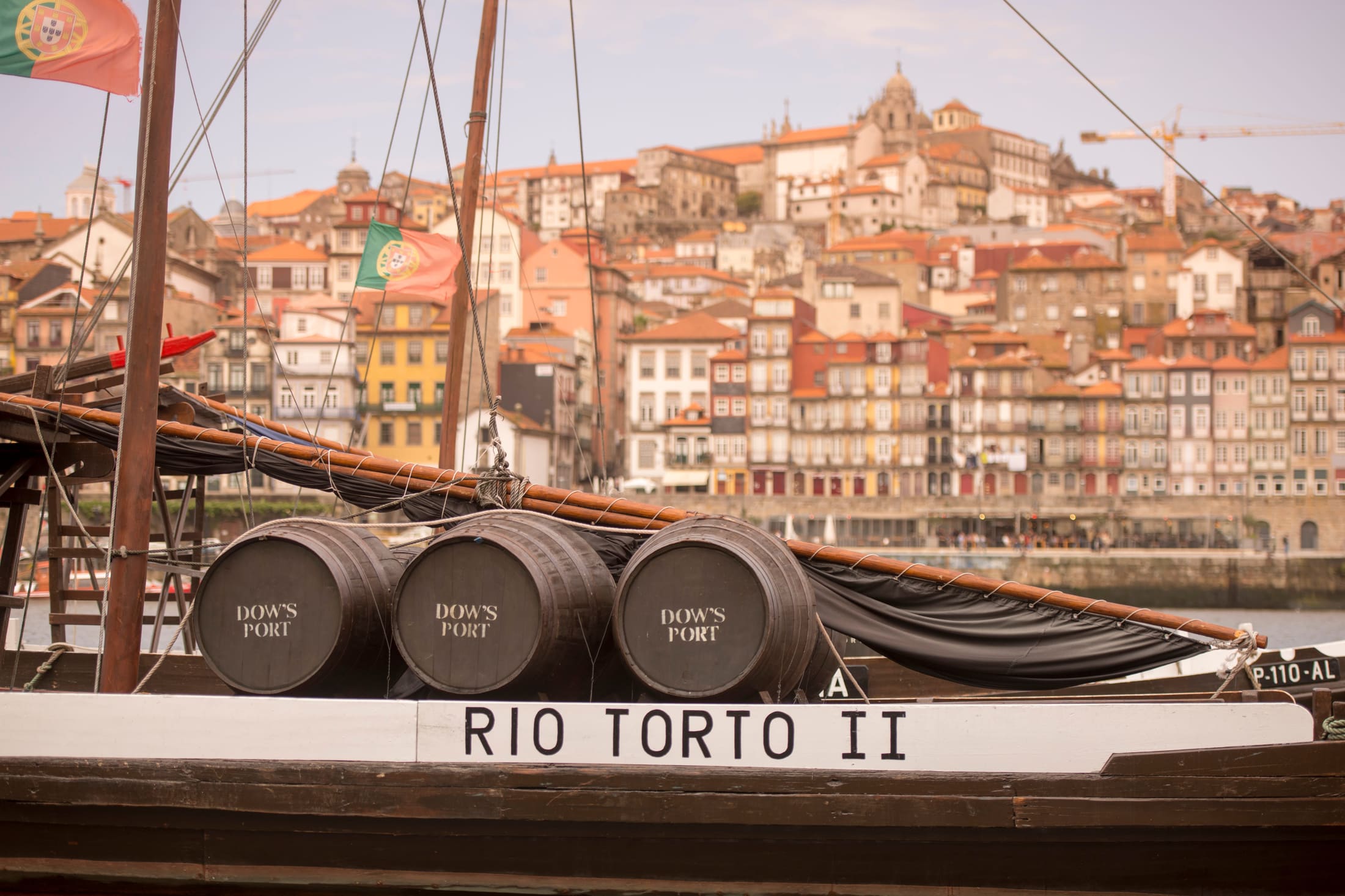
In Porto and Vila Nova de Gaia, you can walk to Port lodges, take a cellar tour, taste different styles of Port, and be back at your hotel in time for dinner. That is a smart choice if you only have a short Porto stay or if your wider Portugal itinerary is already full.
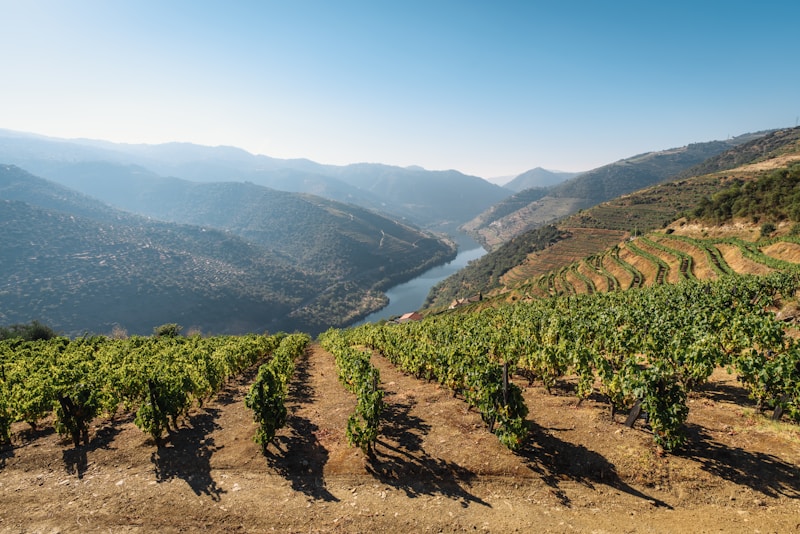
The Douro Valley is where the landscape explains the wine. The river cuts through steep hillsides, vineyards climb the slopes in terraces, and the word "quinta" stops being a pretty label and becomes a real place: an estate, a view, a cellar, a family story, a lunch table.
According to UNESCO, wine has been produced in the Alto Douro region for about 2,000 years, and the World Heritage landscape includes steep terraced vineyards covering about 24,600 hectares. The region is not just scenic. It is a working cultural landscape shaped by wine.
The official Portuguese wine institute IVV describes Douro/Porto as the first demarcated and regulated wine region in the world, created in 1756. IVDP divides the Douro into three sub-regions: Baixo Corgo, Cima Corgo, and Douro Superior.
You do not need to memorize those names before you go. But they help explain why one Douro tasting can feel different from another. The valley is not one uniform wine park. It is a long, varied region with different exposures, soils, heat, distances, and producer styles.
Port wine, Douro DOC, and what you might taste
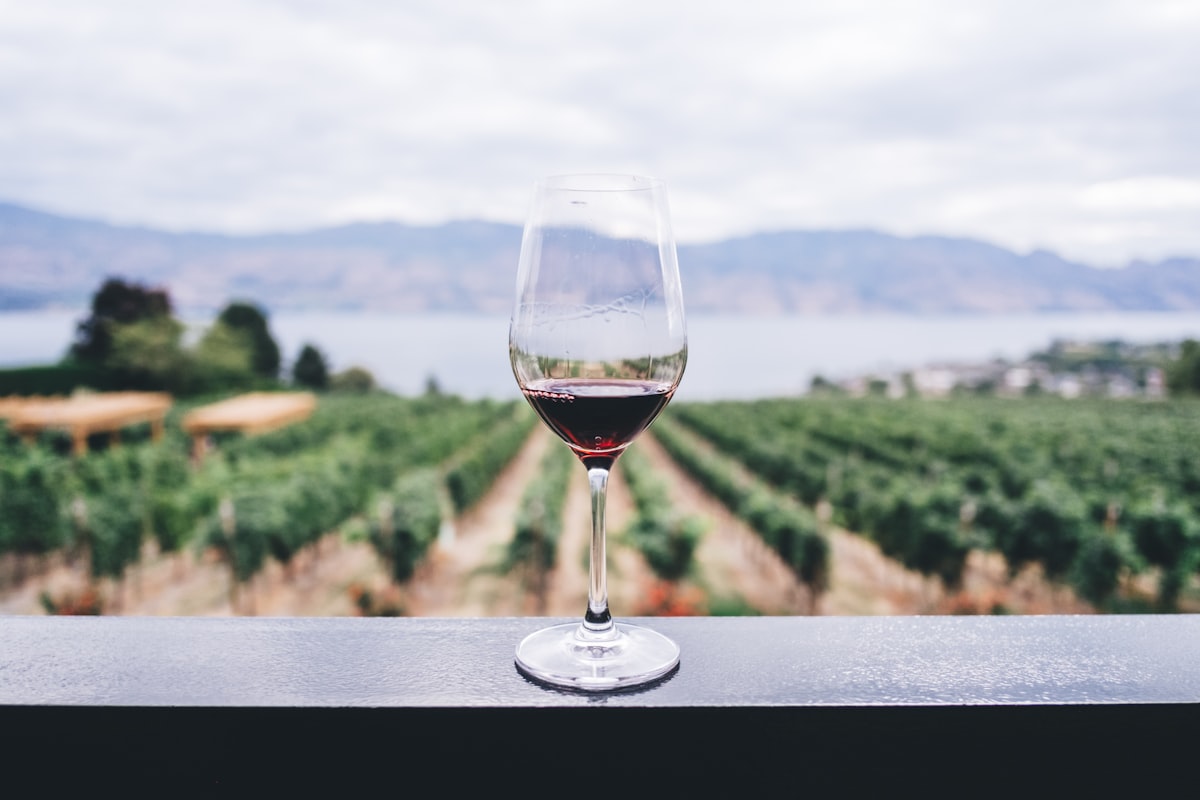
Most travelers arrive thinking "Port wine." That makes sense. Port is the famous fortified wine of the Douro, and many tastings include Ruby, Tawny, LBV, Vintage Port, or white Port.
But the Douro is also an important region for still wines, especially Douro DOC reds and whites. If you usually drink dry wine with dinner, do not assume every tasting will be sweet. Ask whether the tasting focuses on Port, still Douro wines, or a mix.
For a first visit, a mixed tasting is often ideal. You understand why Port matters, but you also see how the region fits into modern Portuguese wine.
A mini-story: the two-tasting day that worked
Megan and Daniel had three nights in Porto and wanted to "do the Douro properly." Their first plan had four wineries, a lunch, a river cruise, and dinner back in Porto. On paper, it looked efficient. In real life, it would have been a day of apologizing for being late.
The better version was simple: a morning tasting, lunch with a view, a short river moment near Pinhao, and one relaxed afternoon tasting. They came back with fewer winery names, but better memories. That is the Douro lesson in miniature.
Day trip or overnight: which is right for you?
The first real planning decision is not which winery to visit. It is how much time the Douro deserves in your trip.
| Option | Best for | What works well | Watch-outs |
|---|---|---|---|
| Day trip from Porto | First-timers short on time | Two tastings, lunch, scenery | Long day, limited flexibility |
| One night | Couples, slow travelers, special occasions | Sunset, dinner, less rush | Requires hotel and transfer planning |
| Two nights | Wine-focused travelers | Smaller quintas, villages, river time | Can be too much for casual wine interest |
| Gaia tasting instead | Very short Porto stay | Easy logistics, strong Port context | Not the vineyard landscape |
Choose a day trip if your Portugal route is already tight
A Douro Valley day trip from Porto can be excellent. It is especially useful if you have two or three nights in Porto and want one memorable wine-country day without moving hotels.
For most travelers, the best day-trip shape is:
- Leave Porto early.
- Visit one quinta before lunch.
- Have a proper regional lunch.
- Add a scenic stop, river moment, or short Pinhao cruise.
- Visit one more quinta or viewpoint.
- Return to Porto before the day becomes heavy.
This is enough. More is not always better here.
Stay one night if the Douro is part of the dream
One night changes the rhythm. You can arrive from Porto, have lunch, do one tasting, check into a wine hotel or valley base, and enjoy the evening without rushing back.
The next morning can hold a deeper tasting, a village stop, or a slow drive before returning to Porto. For honeymooners, anniversary trips, and travelers who care about atmosphere, one night can be the difference between "we saw the Douro" and "we felt the Douro."
Stay two nights if wine is a core trip interest
Two nights are best for travelers who want more than the classic overview. This gives space for boutique producers, a wine-pairing lunch, villages such as Provesende or Favaios, and a more meaningful look at Port and Douro DOC wines.
I would not push two Douro nights on every first-time Portugal traveler. If you have only seven days total, those nights may compete with Lisbon, Sintra, Porto, or the Algarve. The right answer depends on the whole route.
Already juggling too many Portugal tabs? Travel Planner is the better fit if you want Julia to build the day-by-day route around your dates, pace, and wine interest.
How to get to the Douro Valley from Porto
The transport choice shapes the entire day. This is where many Douro plans either become calm or start to fray.
Private driver or private tour
This is the easiest format for most wine-tasting days. A private driver or private wine tour removes the hardest parts: who drives, which roads make sense, how long tastings take, where to eat, and how to connect the valley with Porto.
It is especially useful for families, couples on special trips, older travelers, groups with different energy levels, and anyone who wants two tastings without worrying about alcohol and mountain roads.
The tradeoff is cost. Private support costs more than the train or a group tour. But if your Douro day is one of the emotional anchors of the trip, paying for smoother logistics can be worth it.
Group tour
A group Douro Valley wine tour is the convenient middle ground. You usually get transport from Porto, tastings, lunch, and sometimes a river cruise.
The advantage is simple: low planning effort. The disadvantage is also simple: the schedule is not yours. You may visit wineries chosen for tour logistics rather than your personal wine taste, and you will move at the group's pace.
This can still be a good solution. Just choose it knowingly. It is best for travelers who want an easy overview rather than a highly personal wine day.
Train
The train from Porto into the Douro is scenic and memorable, especially as the route begins to follow the river more closely. For independent travelers, it can be a lovely way to approach the valley.
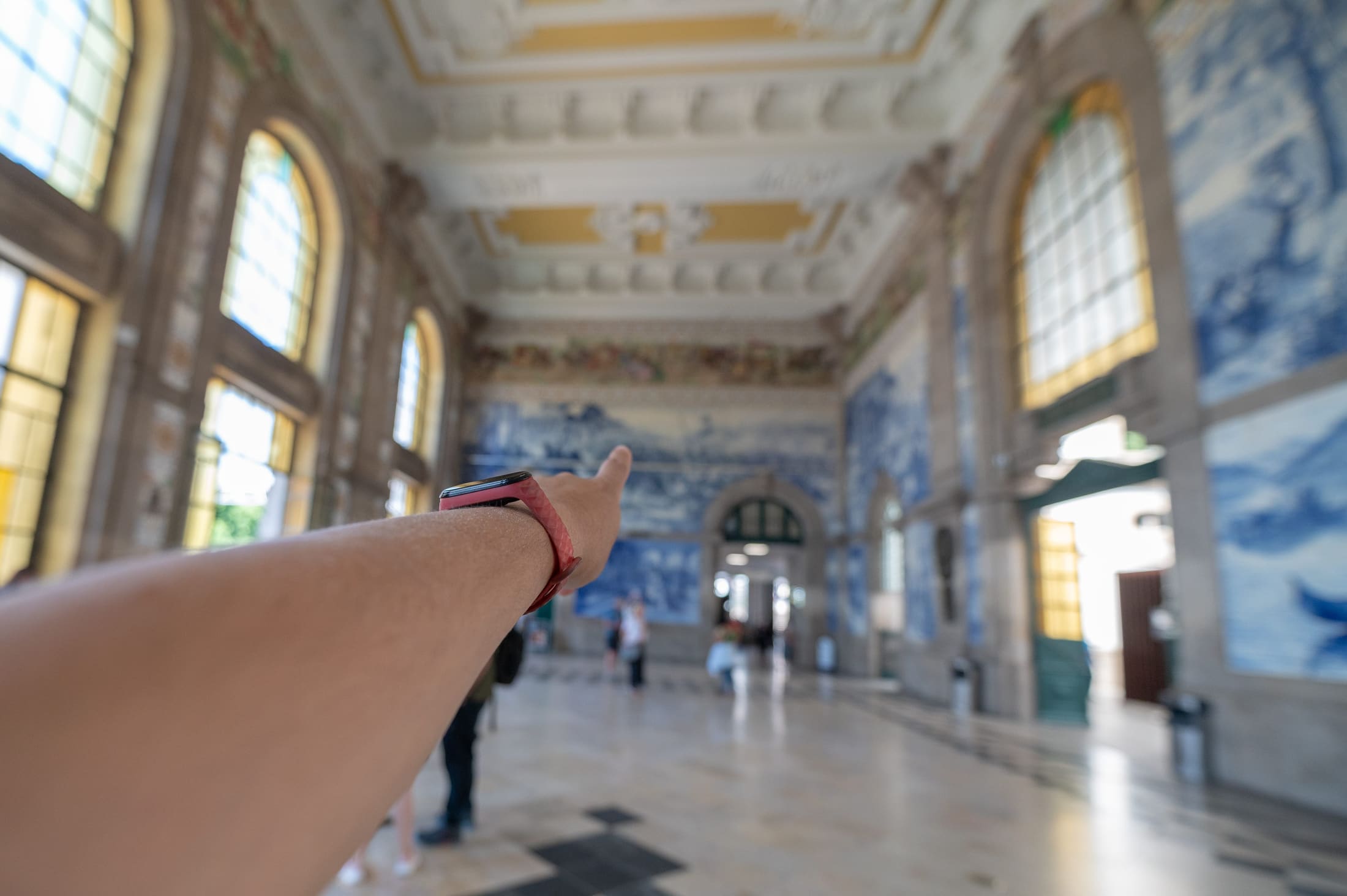
But the train is not enough on its own for most winery plans. Some tasting rooms are close enough to town to work with careful planning, but many quintas are spread across hillsides and roads beyond the station.
Use CP to verify current train schedules close to your travel date. Do not build a day around remembered train times from a blog, especially if your return to Porto matters.
Rental car
A rental car gives flexibility, but it also creates the Douro's most obvious problem: the person driving cannot taste freely.
The roads can be narrow and winding, and distances feel longer than they look. A self-drive day works best if someone is happy to be the driver, if tastings are limited, and if the group values independence more than wine depth.
If everyone wants to taste, choose another format.
Boat or river cruise
A boat gives you the Douro from its most graceful angle. The terraces rise from the river, the pace slows, and the scenery does a lot of the work.
For some travelers, a short cruise from Pinhao is the perfect addition to a tasting day. Multi-day river cruises are a different style of trip entirely, with comfort and low logistics but less freedom to choose small producers independently.
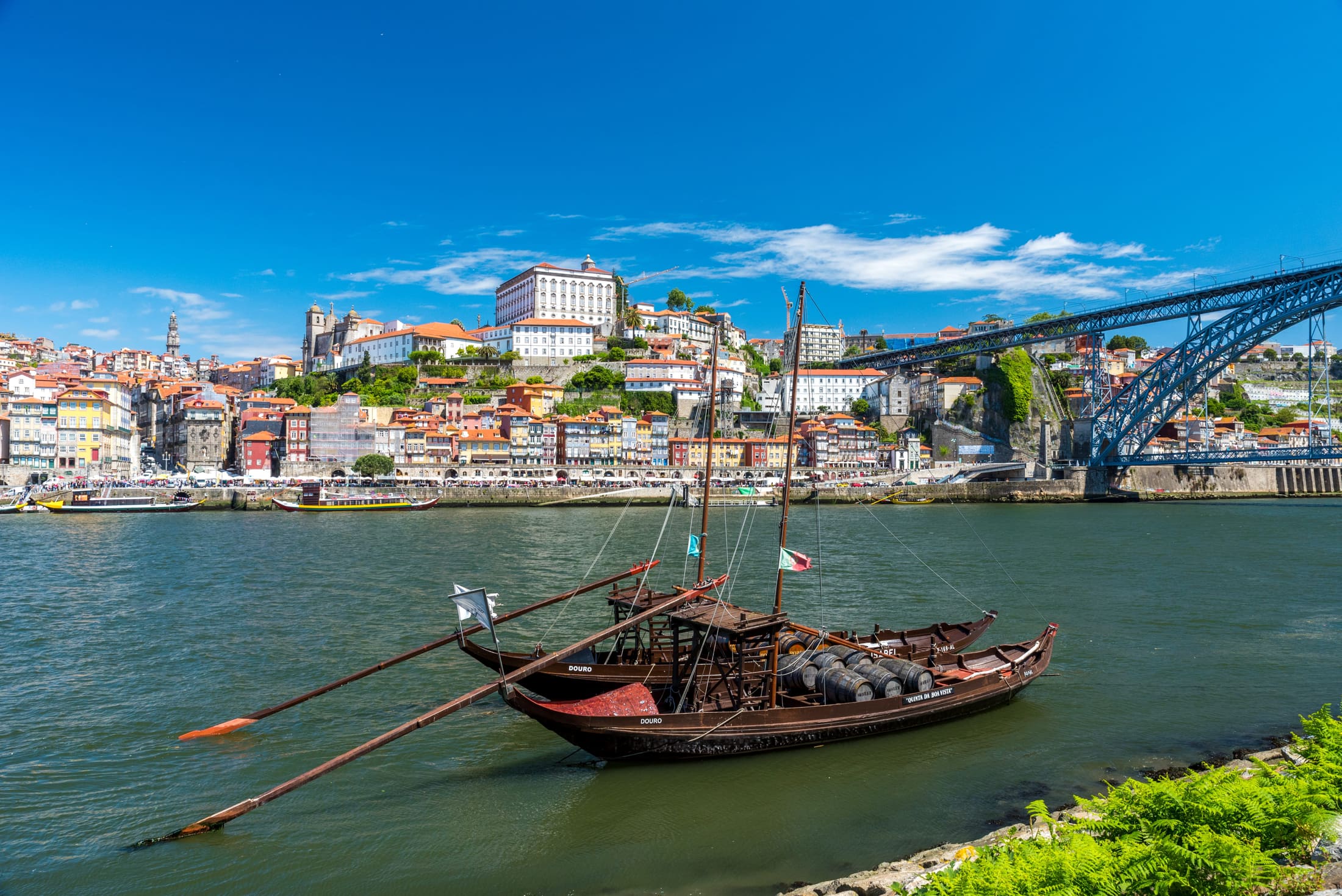
The VisitPortugal Port and Douro Wine Route notes that the route can be explored by car, train, or boat. That is true, but each version creates a different trip. Choose the format before choosing the winery list.
If you want tastings, lunch, transfers, and confirmations handled, Travel Support is the stronger choice because it coordinates those details instead of only suggesting them.
Where to base yourself: Pinhao, Peso da Regua, or a wine hotel
For a first Douro trip, focus on three base types: Pinhao, Peso da Regua, or a wine hotel/quinta stay.
Pinhao
Pinhao is the classic first-timer base because it gives you the river, the tiles at the station, nearby quintas, and easy access to short boat trips. It feels like the Douro many travelers have imagined.
It is not a big city, and that is part of the appeal. You come here for scenery, wine, and a slower rhythm, not for late-night options.
If you only stay one night, Pinhao often makes the most sense for atmosphere.
Peso da Regua
Peso da Regua is practical. It is a transport hub, a common entry point, and a useful base for travelers who want access without feeling too remote.
It can be a good fit if you are arriving by train, connecting with a driver, or building a route that includes the Museu do Douro or nearby wineries.
Regua may feel less postcard-perfect than Pinhao, but it can make the logistics easier.
Wine hotels and quinta stays
A wine hotel or quinta stay is best when the accommodation is part of the experience. You wake up in the landscape, avoid an extra transfer after dinner, and let the valley have more than a daylight cameo.
This is especially good for honeymoons, anniversaries, and slow travel. It also helps travelers who dislike changing locations quickly, because the hotel itself becomes the plan for part of the day.
Book carefully. Some wine hotels have restaurants, tasting programs, or activities that need advance reservations. Do not assume you can arrive and improvise everything.
How to choose Douro wineries without chasing every "best" list
The phrase "best Douro Valley wineries" is useful for research, but it can lead you into the wrong planning mindset.
There is no single best winery for every traveler. A serious wine collector, a couple on a first Portugal trip, a family with teenagers, and a group that wants lunch with a view should not follow the same list.
Start with the experience you want.
If you want Port wine context
Choose a quinta or Port house connection that explains the story clearly: the grapes, the fortification, the aging, the difference between Ruby and Tawny styles, and why some Port ages in bottle while other Port ages in wood.
This is a strong choice for first-time visitors because Port is the name most people know. It also connects the valley to Gaia, where many travelers taste Port in Porto.
If you prefer dry wines
Ask for tastings that include Douro DOC still wines. The region produces reds, whites, and blends that can surprise travelers who thought the Douro was only about sweet fortified wine.
This is a good direction if you usually drink dry wine with meals. It also makes the lunch part of the day more interesting.
If you want views and lunch
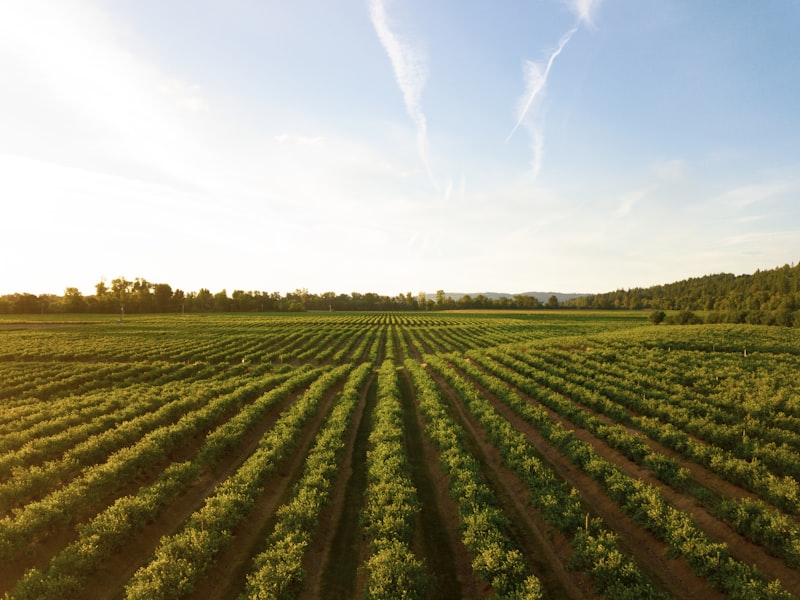
Prioritize the setting. A terrace, picnic, or restaurant overlooking the river can be more memorable than a technically impressive cellar visit.
This does not mean the wine is secondary. It means you are honest about the trip goal. Many travelers come to the Douro for the feeling of the valley, not only for tasting notes.
If you want smaller producers
Smaller producers can create the most personal tastings, but they often require more planning. Opening times may be limited, communication can be slower, and transport can be more complicated.
This is where local planning support helps. The more specific the experience, the less useful a generic "top 10" list becomes.
If you are traveling with family or mixed interests
Choose wineries with a shorter tasting format, outdoor space, views, food, or a non-wine element nearby. Not everyone wants a deep technical explanation of fermentation at 11:00 in the morning.
For groups, the best tasting is often the one that keeps everyone comfortable.
What happens at a Douro wine tasting
Most Douro tastings follow a simple pattern. You arrive at the quinta, meet a host or guide, learn something about the estate, visit a cellar or vineyard area if included, then taste a small set of wines.
Some tastings focus on Port. Others focus on still Douro wines. Some include olive oil, cheese, chocolate, lunch, a vineyard walk, or a more formal pairing.
For a first visit, do not be shy about saying what you like. If you usually enjoy dry white wine, say that. If you are curious about aged Tawny Port, say that.
If you are new to wine, say that too. Good hosts would rather guide you than watch you pretend.
A quick tasting vocabulary
- Quinta: a wine estate.
- Ruby Port: younger, fruitier Port style.
- Tawny Port: wood-aged Port, often nutty and caramel-toned.
- LBV: Late Bottled Vintage Port, usually more accessible than declared Vintage Port.
- Vintage Port: bottle-aged Port from a declared vintage, often serious and long-lived.
- Douro DOC: still wine from the Douro region, often red but also white or rose.
- Field blend: wine made from mixed grape varieties planted together, common in older vineyards.
You do not need to know all of this before arriving. But a little vocabulary helps you ask better questions and enjoy the tasting more.
Best time for Douro Valley wine tasting
The Douro changes sharply by season. A good wine tasting day in April feels different from one in August or October.
Spring: April to June
Spring is one of the best times for Douro Valley wine tasting. The landscape is green, the weather is usually more comfortable than summer, and the valley feels alive without the same pressure as harvest.
April and May are especially good for travelers who want scenery, wine, and manageable temperatures. June can be beautiful too, though it starts to feel more summery.
Summer: July and August
Summer gives you bright skies and long days, but the Douro is inland and can feel very hot. This is not the season for packing the day with vineyard walks, heavy lunches, and multiple rushed tastings.
If you visit in July or August, start early, keep the schedule lighter, plan shaded breaks, and choose comfort over ambition.
Harvest: September and October
Harvest season is the most atmospheric time for many wine lovers. VisitPortugal notes that travelers can participate in grape harvest activities in September and October at many Douro quintas geared for wine tourism.
That does not mean every winery offers grape picking every day. Harvest is a working season, and availability depends on the producer, the weather, and the year. Book early and stay flexible.
September is often the sweet spot: wine energy, strong weather, and a valley that feels full of purpose.
Winter
Winter is quieter and can be atmospheric, especially if you like slower travel, fireplaces, cellars, and lower crowds. But daylight is shorter, weather can be wet, and some tourism experiences may have reduced availability.
Winter is best for travelers who care more about wine, food, and atmosphere than perfect vineyard photos.
Sample Douro Valley tasting itineraries
Use these as planning shapes, not rigid scripts. The exact wineries should depend on availability, transport, and the rest of your Portugal route.
Easy day trip from Porto
Leave Porto early with a guide, driver, or well-planned group tour. Aim for one morning tasting, a regional lunch, a short scenic element near Pinhao, and one afternoon tasting or viewpoint.
This route works well for first-time visitors. It gives enough variety without making the day feel like a race.
Best for: couples, first-timers, friends, busy travelers, and anyone with only two or three nights in Porto.
Independent train-based day
Take the train from Porto to Pinhao or Regua after verifying current schedules. Choose one tasting that is realistic from the station, book lunch, and resist the urge to add too much.
This is a good option if you enjoy independent travel and accept that the day will be lighter on wineries. The train and river scenery become part of the experience.
Mini-story number two: Rachel and her father wanted a gentle Douro day without hiring a car. Their first idea was to take the train and visit three wineries on foot. That plan collapsed once they checked distances and hills.
The better day was one pre-booked tasting, lunch near the river, time at Pinhao station, and a relaxed return train. It looked smaller, but it matched their energy.
Best for: independent travelers, train lovers, lighter wine interest, and people who do not mind fewer stops.
One-night Douro stay
Travel from Porto to the valley in the morning. Have lunch, do one tasting, check into your hotel, and leave the evening open for dinner and the view.
The next day, book one deeper tasting or a shorter scenic route before returning to Porto. This is my favorite structure for travelers who want the Douro to feel like a real part of the trip instead of a long excursion.
Best for: couples, honeymooners, anniversary trips, photographers, and slow travelers.
Two-night wine-focused stay
Use the first day to arrive slowly. Spend the second day on two carefully chosen tastings, a wine-pairing lunch, and perhaps a village or viewpoint. Use the final morning for a lighter visit before returning to Porto.
This format is best when wine is a central interest. If you are mostly wine-curious, one night may be enough.
Best for: wine lovers, collectors, repeat Portugal visitors, and travelers who want boutique producers.
For more northern Portugal wine context, pair this with the Porto wine tour guide before choosing how much time to give Gaia, Porto, and the valley.
What to book before you go
The Douro rewards advance planning. It does not reward a day built entirely on hope.
Book these first:
- Tastings at your priority quintas.
- Lunch, especially if you want a winery restaurant or terrace meal.
- Transfers, private driver, or tour format.
- Train tickets or at least verified train times if traveling independently.
- Hotel or wine stay for overnight plans.
- Harvest activities, if traveling in September or October.
The VisitPortugal wine route guidance specifically recommends booking visits, tastings, accommodation, and meals in advance with Douro wine tourism centers. That advice matters because many of the best Douro days are built from small pieces that need to line up.
If you are using Porto as your gateway, pair the Douro plan with a good city food day. The Porto food guide can help you keep the wine theme going without turning every meal into another formal tasting.
Common Douro planning mistakes
The Douro is forgiving in beauty and unforgiving in timing.
Mistake 1: Booking too many tastings
Three tastings can work for serious wine travelers with a driver and a tight route. For most people, two tastings plus lunch is the better day.
After the second tasting, the details blur. The view matters more. The conversation matters more. Give the valley some space.
Mistake 2: Assuming the train solves everything
The train gets you into the valley. It does not automatically get you to the vineyards you have saved on Instagram.
If you choose the train, build the day around what is realistic from the station or pre-arrange a taxi/driver for the winery portion.
Mistake 3: Self-driving as if no one is tasting
Someone has to drive back. On winding roads, after a long lunch and tastings, that is not a small detail.
Self-driving is best when the driver is comfortable limiting wine or when the day is more scenic than tasting-heavy.
Mistake 4: Forgetting lunch
Lunch is not filler in the Douro. It anchors the day.
A good lunch slows the pace, pairs the wines with food, and gives everyone a reset before the afternoon. A badly planned lunch turns the day into snacks, rushed tastings, and tired faces.
Mistake 5: Treating harvest as easy and spontaneous
Harvest can be magical. It can also be busy, operational, and weather-dependent.
If grape picking or foot-treading is important to you, plan early and keep expectations flexible. A winery's harvest schedule is not built around visitors first.
Mistake 6: Adding Douro to an already packed Portugal route
This is the one I see most often. A traveler has seven days and wants Lisbon, Sintra, Porto, Douro, and the Algarve.
Technically possible? Sometimes. Enjoyable? Often not.
Douro needs time to breathe. If the rest of the trip is already moving fast, a Port tasting in Gaia may be the wiser choice.
How Travel-Luck can help with a Douro wine trip
Travel-Luck is not here to hand you a generic winery list. The value is in shaping the day around your trip.
For some travelers, that means Douro as a private day from Porto. For others, it means one night in the valley between Porto and the next region. For a few, it means skipping the valley and doing a strong Gaia tasting because the wider itinerary would suffer.
Julia's planning lens is practical:
- How many nights do you really have?
- Who is driving, if anyone?
- Do you care more about Port, still wine, scenery, food, or comfort?
- Are you traveling with kids, older parents, friends, or a partner?
- Does Douro fit naturally before or after Porto?
- What needs to be booked before the trip stops feeling flexible?
If you want the route designed around your dates, pace, and interests, choose Travel Planner. If you want tastings, hotels, transfers, restaurants, confirmations, and in-trip details coordinated, choose Travel Support.
FAQ: Douro Valley wine tasting
Is Douro Valley wine tasting worth it?
Yes, Douro Valley wine tasting is worth it if you want the vineyard landscape behind Port and Douro wines, not just a cellar tasting in Porto. It is especially worthwhile for travelers who enjoy scenery, food, slow lunches, and understanding where the wine comes from.
If you only have a very short Porto stay, a Gaia Port lodge tasting may be more realistic.
Can you visit the Douro Valley as a day trip from Porto?
Yes. A Douro Valley day trip from Porto works well if you keep the plan focused: two tastings, lunch, and one scenic element.
The day becomes harder when you add too many wineries, a long cruise, multiple viewpoints, and a late dinner reservation back in Porto.
Is it better to stay overnight in the Douro Valley?
It is better to stay overnight if the Douro is one of the trip highlights, if you want a slower pace, or if you care about sunset, dinner, and smaller producers. A day trip is enough if you mainly want an introduction.
For couples and special occasions, one night often feels much more personal.
Do you need reservations for Douro Valley wineries?
Yes, you should book Douro Valley tastings in advance. Some places may accept visitors more flexibly, but relying on walk-ins is risky, especially during weekends, spring, summer, and harvest season.
Book lunch in advance too.
Can you visit Douro wineries by train?
You can use the train to reach towns such as Peso da Regua or Pinhao, but many wineries are not an easy walk from the station. A train-based day works best with one realistic tasting, a lunch plan, and possibly a pre-arranged taxi.
Always verify current train times with CP before relying on them for your trip.
Should I rent a car for the Douro Valley?
Rent a car only if someone is comfortable driving narrow, winding roads and limiting wine. A car gives freedom, but it is not the best choice if everyone wants to taste.
For wine-focused days, a driver or guided tour is usually calmer.
What is the best town for wine tasting in the Douro Valley?
For most first-time visitors, Pinhao is the easiest answer because it has classic river scenery, nearby quintas, short cruise options, and a memorable station. Peso da Regua is more practical as a transport base.
The best town depends on whether you value atmosphere, access, or hotel choice.
When is harvest season in the Douro Valley?
Harvest usually centers on September and October, but exact timing changes by year, grape, producer, and weather. If harvest activities matter to you, book early and confirm what is actually offered.
Do not assume every winery has grape picking or foot-treading available to visitors every day.
What is the difference between Port wine and Douro DOC wine?
Port is a fortified wine from the Douro, often sweet and served in styles such as Ruby, Tawny, LBV, and Vintage. Douro DOC wines are still wines from the region, including reds and whites that are usually enjoyed with meals.
A mixed tasting is a good introduction if you are new to the region.
How many wineries should you visit in one day?
Most travelers should visit two wineries in one day. That leaves time for lunch, scenery, conversation, and travel between stops.
Three wineries can work with a private driver and a wine-focused group. Four is usually too many for a first Douro day.
Conclusion: plan the Douro around pace, not a checklist
The best Douro Valley wine tasting day is not the one with the longest winery list. It is the one where the transport, tastings, lunch, and scenery make sense together.
If you are short on time, take a thoughtful day trip from Porto. If the Douro is part of the emotional pull of your Portugal trip, stay one night. If wine is central, give yourself two nights and choose producers by style, not only by rankings.
Most of all, leave space. The Douro is at its best when you are not rushing away from it.
For a route that fits the Douro into the rest of Portugal, use Travel Planner. For bookings, transfers, tastings, restaurants, and confirmations, use Travel Support.