Table of Contents
- Driving in Portugal: the quick answer
- Can you drive in Portugal with a US license?
- Do you need a car in Portugal?
- Road rules tourists should know before driving in Portugal
- Portugal toll roads and Via Verde explained
- Renting a car in Portugal: practical tips
- What driving is like by region
- When not to drive in Portugal
- A simple car-rental plan for first-time visitors
- FAQ
- The real question is where driving improves the trip
Driving in Portugal is usually straightforward on highways and regional roads, but the smartest Portugal trip does not always use a car every day. Before you rent, you need to understand license rules, tolls, narrow historic streets, parking, speed limits, and where driving actually improves the itinerary.
This is the part many travelers miss. A rental car can make the Algarve, Alentejo, rural beaches, and countryside hotels feel wonderfully flexible. The same car can become expensive luggage storage in central Lisbon or Porto, where you spend more time looking for parking than enjoying the city.
I think of driving as a route-design decision, not just a transport decision. In this guide, I will walk you through when to drive, when to skip the car, what US travelers need to know, how Portugal tolls work, and how to plan a rental window that supports the trip instead of complicating it.
Key Takeaways
- Driving in Portugal is easiest on highways, rural routes, the Algarve, Alentejo, and flexible countryside days.
- A car is usually more trouble than help in central Lisbon, central Porto, and many historic towns.
- US-license holders are covered by Portugal's OECD/CPLP foreign-license rules if they meet the official conditions, but rental companies may still ask for specific documents.
- Portugal has both conventional and electronic toll roads, so rental drivers should clarify Via Verde or e-toll billing before leaving the counter.
- Your itinerary should decide the rental plan: often the best move is to rent after city days, not from airport arrival.
Driving in Portugal: the quick answer
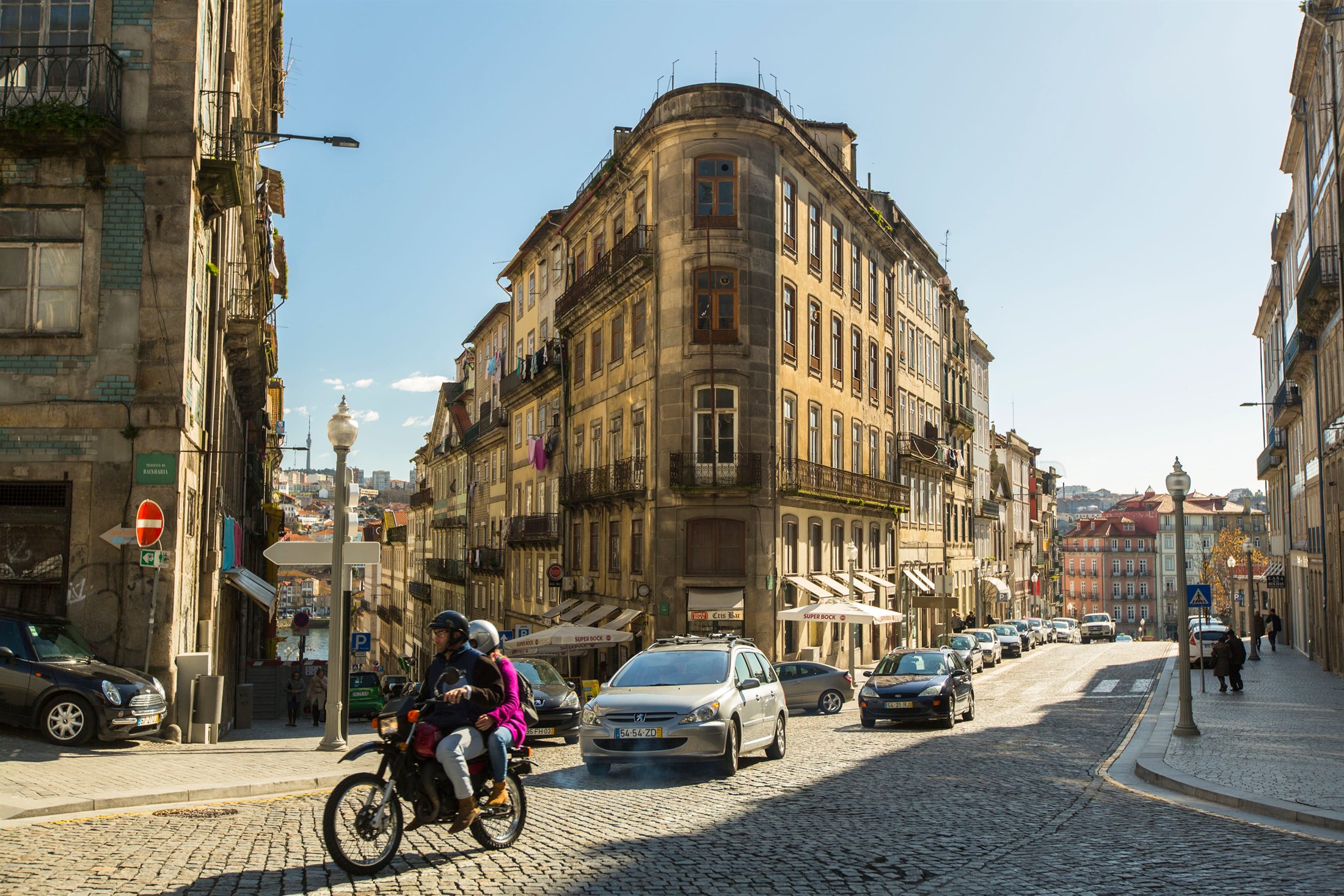
Portugal is a good country for a road trip when the route fits the car. The main highways are generally easy to use, signs are clear enough for visitors, and distances between major regions can look manageable compared with larger countries.
The harder parts appear in specific places: toll systems, city parking, old-town streets, roundabouts, and routes where the person driving cannot fully enjoy the day. That last point matters in wine regions. A Douro Valley tasting day is not much fun for the one person who has to keep refusing wine.
Portugal drives on the right side of the road and overtakes on the left. If you are coming from the US or most of continental Europe, that part will feel familiar. If you are coming from the UK, Ireland, Australia, or South Africa, give yourself an easier first day before tackling narrow streets or a manual rental car.
The best rule is simple: use a car where it gives you freedom, not where it gives you chores.
If you are unsure where a car helps and where it adds stress, Julia can build a custom Portugal itinerary around your dates, pace, hotel style, transfers, and driving comfort.
Can you drive in Portugal with a US license?
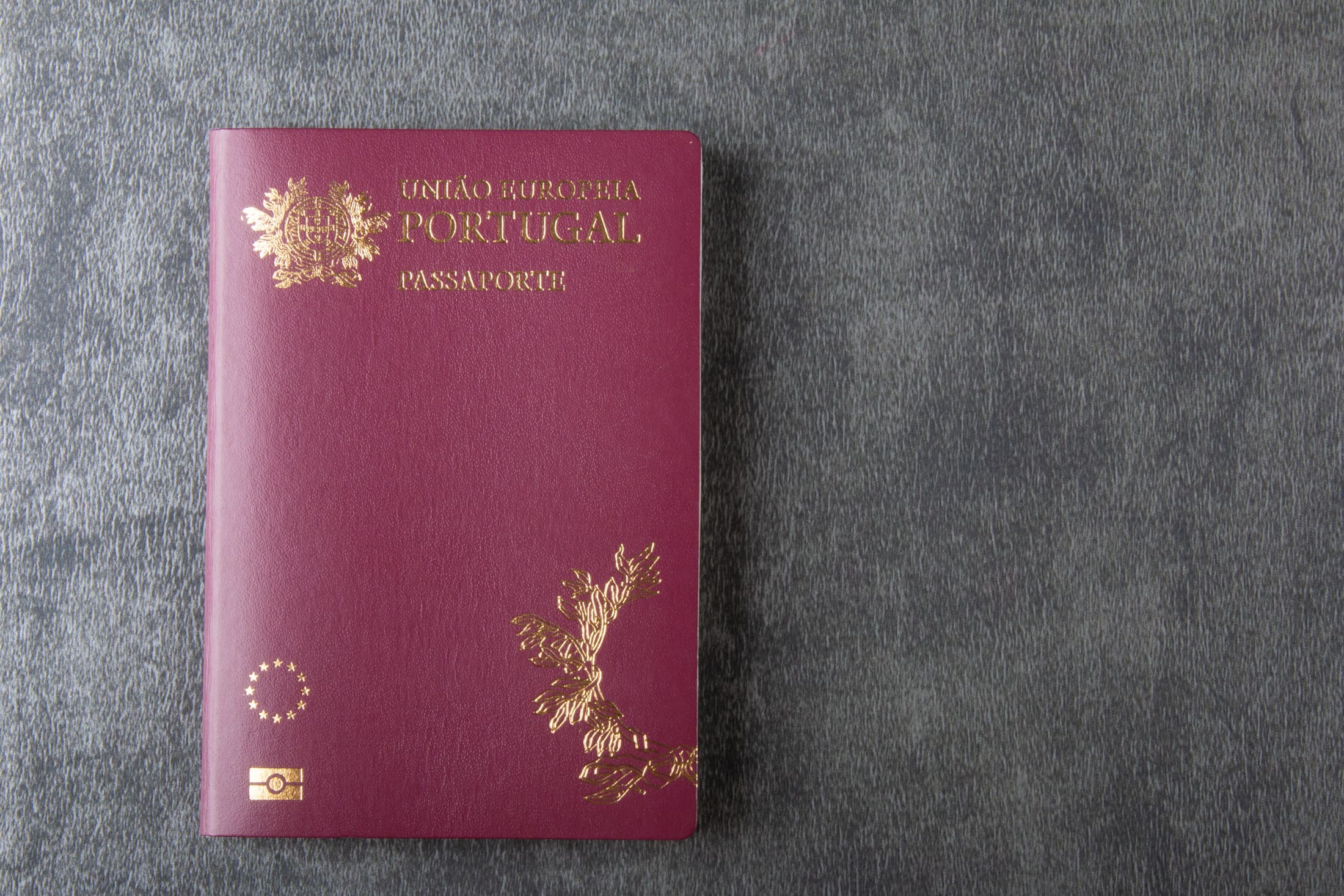
Yes, US travelers can generally drive in Portugal with a valid US license under Portugal's OECD/CPLP foreign-license rules if they meet the official conditions. The gov.pt foreign driving licence page lists the United States of America among the countries covered by this regime.
The important word is "conditions." The official page says the license must be valid, the driver must meet Portugal's minimum legal age for the vehicle category, and the license must not be seized, suspended, expired, or revoked. It also gives conditions related to age and how recently the license was issued or renewed.
If you are a short-stay visitor, this is usually straightforward. If you are moving to Portugal, staying long term, holding residency, or dealing with an unusual license situation, verify your case with IMT or gov.pt before relying on a travel article.
For a rental car, also check the rental company's own rules. Some companies may ask for an International Driving Permit, especially if your license is not in a language or format they handle easily. The law and the rental counter are not always the same conversation, so confirm before pickup.
Carry these documents when driving:
- Your physical driving license.
- Passport or official ID.
- Rental agreement.
- Insurance and vehicle documents provided by the rental company.
- A credit card in the lead driver's name, if required by the rental company.
Do not rely only on a photo of your license. If you are stopped or need help after an incident, physical documents make everything easier.
Do you need a car in Portugal?
Sometimes yes. Sometimes absolutely not. Portugal looks small on a map, but the right answer depends on your route, hotel locations, group, luggage, season, and patience for parking.
| Part of the trip | Rent a car? | Why |
|---|---|---|
| Lisbon city stay | Usually no | Walking, metro, taxis, trains, and private tours are easier than parking. |
| Porto city stay | Usually no | Central streets and parking can be frustrating. Pick up a car after Porto if needed. |
| Sintra from Lisbon | Often no | Trains, private drivers, or tours avoid palace parking stress. |
| Douro Valley wineries | Only with a driver plan | Roads are scenic, but tastings and driving do not mix well. |
| Algarve beaches and villages | Often yes | A car helps with flexible beaches, cliff walks, and smaller towns. |
| Alentejo villages or coast | Yes | Public transport is limited and distances are easier by car. |
| Multi-region family trip | Maybe | Useful for luggage and flexibility, but plan hotels with parking. |
Think of a car as a tool for specific days. A first-time route might be Lisbon without a car, train to Porto without a car, then a private driver for the Douro or a rental only for the Algarve section.
When Emma and Daniel flew into Lisbon for a seven-night trip, their original plan was to rent at the airport and keep the car all week. After looking at their route, the better version was simple: three Lisbon nights without a car, train to Porto, private Douro day, then no rental at all. They saved parking costs, skipped city driving, and still saw the region they cared about most.
That is the kind of decision worth making before you book. The car should serve the itinerary, not sit beside it like an expensive suitcase.
Road rules tourists should know before driving in Portugal
Portugal's road rules are not difficult, but visitors should not treat them casually. The official Your Europe road rules page for Portugal is a useful reference before you drive.
Which side of the road?
In Portugal, traffic drives on the right and overtakes on the left. On motorways, stay right unless passing. This sounds basic, but lane discipline is one of the easiest ways to feel calmer on Portuguese highways.
Roundabouts can be the moment visitors tense up. Slow down, read signs early, and do not assume every local driver will signal clearly. If you miss an exit, go around again. It is better than cutting across lanes at the last second.

Speed limits
For passenger cars without a trailer, the ACP speed-limit table lists these standard limits:
| Road type | Standard limit |
|---|---|
| Coexistence zones | 20 km/h |
| Other urban zones | 50 km/h |
| Other public roads | 90 km/h |
| Roads reserved for cars and motorcycles | 100 km/h |
| Motorways | 120 km/h |
Always follow posted signs. Roadworks, towns, weather, and local restrictions can change the limit.
Alcohol, phones, seat belts, and child seats
Your Europe lists Portugal's standard alcohol limit as 0.5 mg/ml for standard drivers, and 0.2 mg/ml for professional and novice drivers. If you are unsure how your body handles wine at lunch, the safest answer is not to drive.
Drivers may use a phone with a hands-free set, but not without one. Seat belts and child restraint systems are mandatory. Rental companies can usually provide child seats, but reserve them in advance and check the fit before leaving.
Portugal also uses the European emergency number 112. Keep it saved, but hopefully boring and unused.
Portugal toll roads and Via Verde explained
Portugal tolls are the part that catches many visitors by surprise. The country has both conventional tolls with booths and electronic-only tolls. You cannot assume every motorway works the same way.
Visit Portugal's toll page explains the two broad types: conventional tolls and exclusively electronic tolls. The gov.pt traffic and mobility page also lists payment options for foreign-registered vehicles, including EasyToll and TollCard.
Via Verde is Portugal's electronic toll system. With a rental car, the practical question is not only "Does the car have Via Verde?" It is "How will this rental company charge me for using it?"
Before you leave the rental desk, ask:
- Is the toll device active?
- What daily or administrative fee applies?
- Are tolls charged later to my card?
- Can I use Via Verde lanes at conventional toll plazas?
- What happens if I drive on an electronic-only toll road?
- How long after the trip can charges appear?
For foreign-registered vehicles, Visit Portugal mentions Via Verde Visitors, TollCard, 3 Day Virtual Card, and Multi Journey Virtual Card. These are useful to understand if you are driving into Portugal with your own car or a foreign-plated vehicle. If you are renting in Portugal, the rental company's transponder or billing process is usually the central issue.
This is also where screenshots help. Save your rental agreement, toll device terms, and final receipt. If a charge appears weeks later, you will want a paper trail.
Renting a car in Portugal: practical tips
The first Portugal car rental tip is not about insurance or fuel. It is about timing. Do not automatically rent from the airport on arrival if your first days are in Lisbon or Porto.
After an overnight flight, you may be tired, unfamiliar with signs, and heading into a city where you do not need a car. A taxi or transfer into Lisbon, followed by a rental pickup later in the trip, is often much calmer.
When booking, pay attention to:
- Transmission. Manual cars are common in Europe. If you need automatic, book early.
- Pick-up location. Airport locations can be convenient for leaving a region, but not always for city stays.
- Parking. Choose hotels with confirmed parking if you will have a car overnight.
- Insurance and excess. Understand the deposit, excess, exclusions, and credit-card hold.
- Damage checks. Photograph the car at pickup and drop-off, including wheels and glass.
- Fuel policy. Full-to-full is usually easiest to understand.
- One-way fees. Picking up in Lisbon and dropping in Porto or Faro may cost more.
- Cross-border rules. If you plan to drive into Spain, get written permission from the rental company.
For families, the car can be a blessing if it reduces luggage stress. For couples spending most nights in city centers, it can do the opposite.

What driving is like by region
Lisbon
Driving in Lisbon is rarely the best introduction to Portugal. The hills, tram lanes, one-way streets, scooters, delivery vehicles, and limited parking make the city easier without a car.
If Lisbon is your first stop, start by learning the city on foot, by metro, by taxi, or with a private guide. This is one reason I often recommend Lisbon as the place to settle into the rhythm of the country. You can read more in why Lisbon should be your first stop.
Driving in Lisbon makes more sense when you are leaving the city, not exploring the center.
Porto
Porto is similar. You can enjoy the historic center, riverfront, food, wine cellars, and viewpoints without a rental car. Parking near central hotels can be awkward, and the city is much nicer when you are not circling blocks.
If you plan to explore the north after Porto, pick up the car on departure day. That gives you the freedom of a road trip without the annoyance of storing a car during city days.
Sintra and Cascais
Sintra is where many travelers underestimate logistics. The palaces are spread out, roads can be narrow, and parking near the main sights can be stressful during busy periods.
For many visitors, the train, a private driver, or a guided day is easier than self-driving. If you want to combine Pena Palace, Quinta da Regaleira, the village, and the coast, a private structure can make the day feel smoother.
Douro Valley
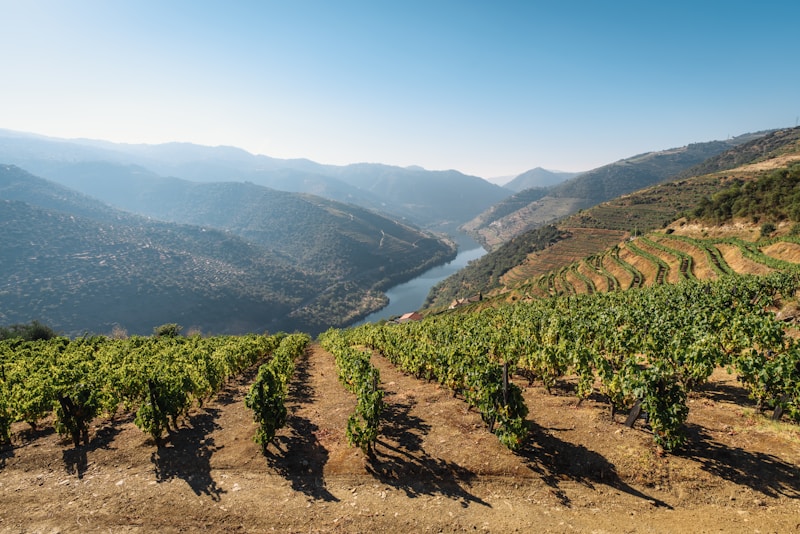
The Douro Valley is one of Portugal's most beautiful driving regions, with vineyard slopes, river views, and small roads that reward slow travel. It is also a place where wine tasting is often the reason for going.
That creates the obvious problem. If the day is about wineries, the driver misses part of the experience. For a wine-focused day, use a private driver, a curated tour, or an overnight stay where transfers are planned.
Algarve
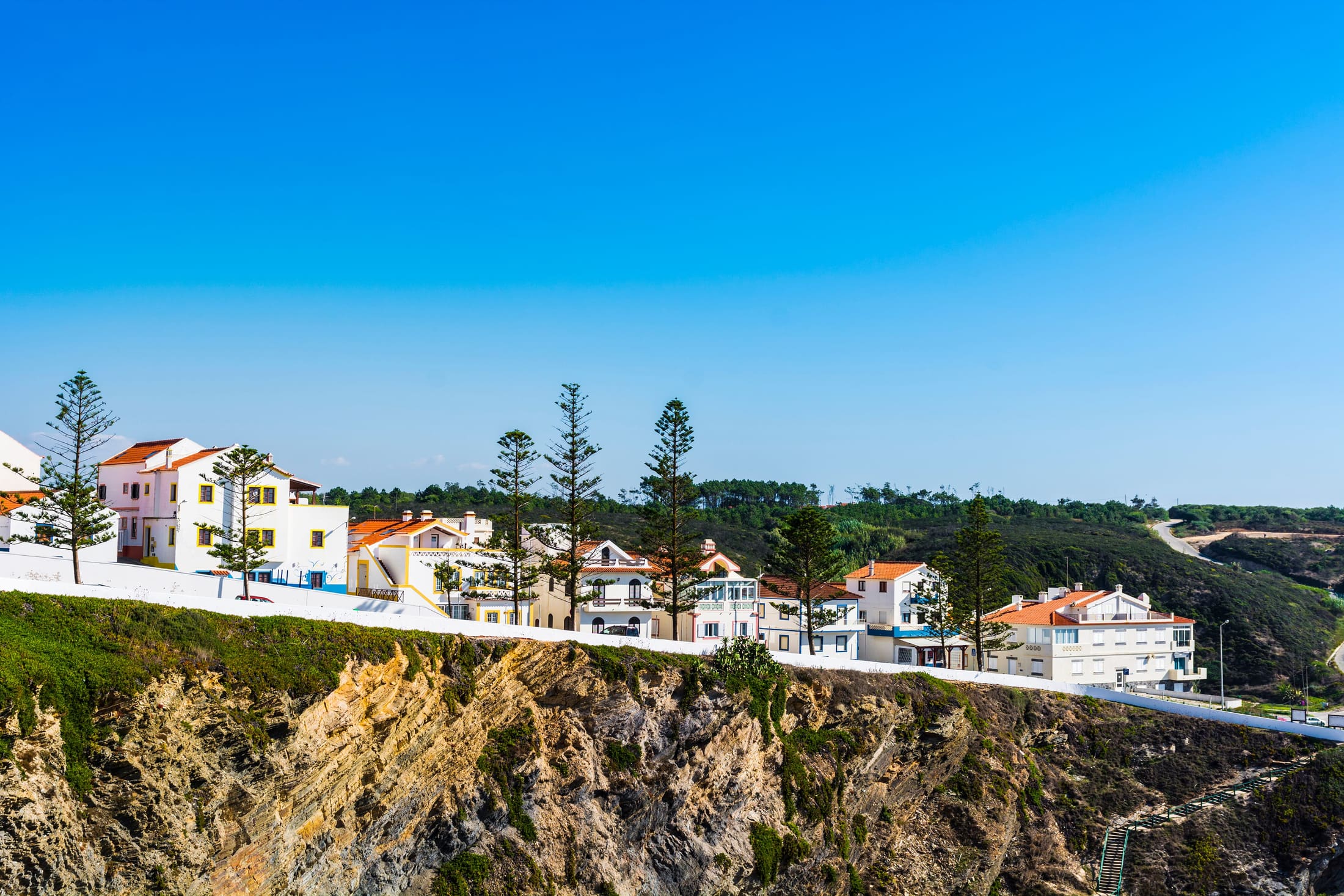
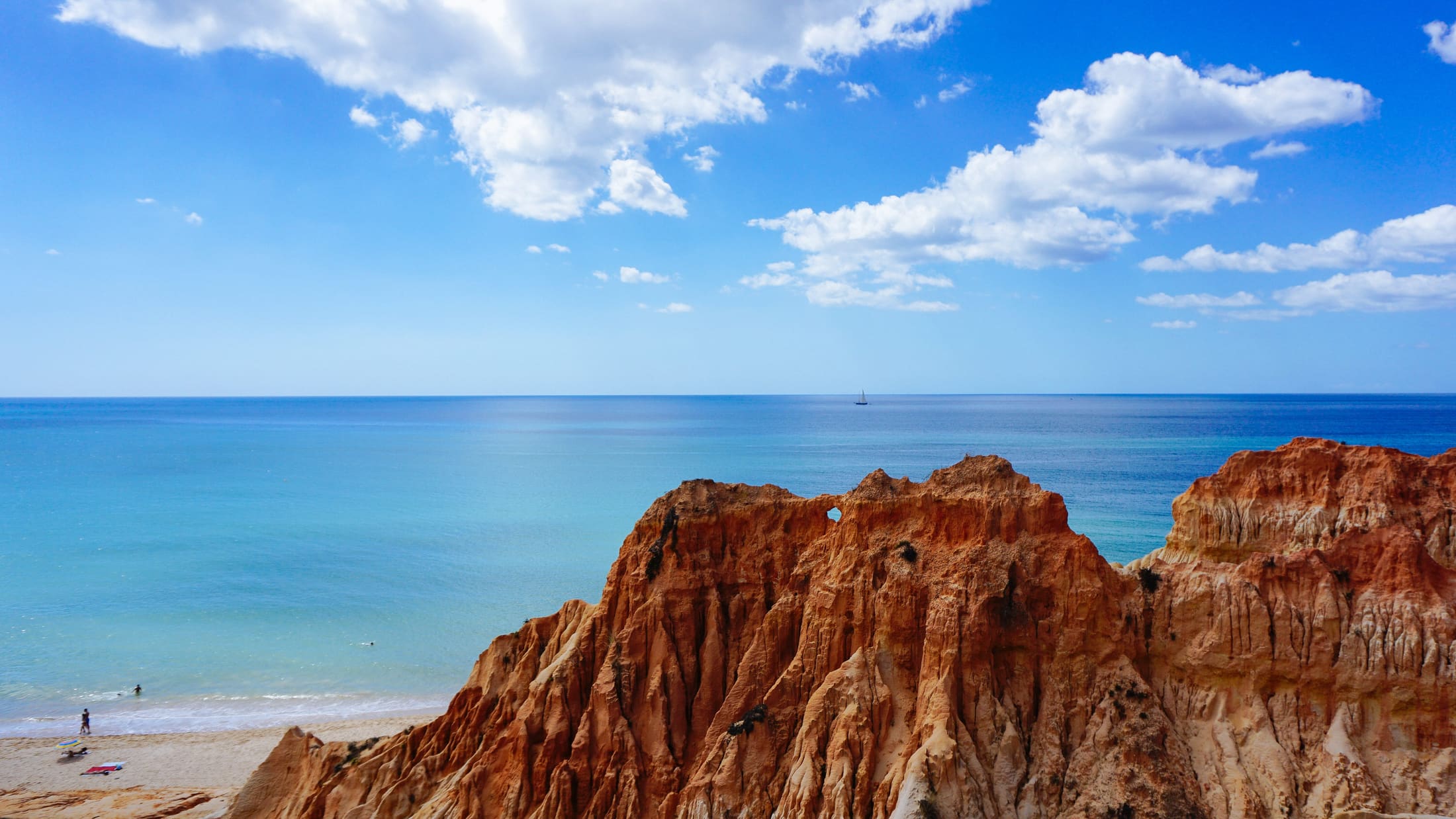
The Algarve is one of the strongest cases for renting a car in Portugal. A car helps you reach beaches, fishing villages, cliff walks, restaurants, and quieter bases without depending on limited connections.
The exception is a resort-style stay where you plan to stay mostly at one hotel or beach. In that case, transfers plus a few taxis may be enough.
Alentejo and rural Portugal
For Alentejo villages, wineries, countryside hotels, and the wilder coast, a car is usually useful. Public transport exists, but it rarely gives first-time visitors the flexibility they imagine.
Plan fuel, daylight, and dinner stops. Some rural routes feel slower than they look on a map, and that is part of their charm.
When not to drive in Portugal
Driving is not a badge of independence if it makes the trip heavier. Sometimes the most local-feeling decision is to skip the car and let the day breathe.
Avoid driving in Portugal when:
- It is your first day after a long overnight flight.
- Your hotel is in central Lisbon or Porto.
- The day includes wine tastings.
- You are visiting old towns with limited parking.
- You are nervous with narrow roads or manual cars.
- Everyone in the group wants to relax, and no one wants to be the designated driver.
- A train, transfer, or private tour would save more energy than the car saves money.
When a trip has hotels, transfers, restaurants, tours, tolls, and timing all tangled together, Portugal travel support may be the better fit. That is the service for travelers who want planning and coordination handled, not just a list of suggestions.
A simple car-rental plan for first-time visitors
If this is your first Portugal trip, start with the simplest version and add a car only where it helps.
Plan 1: Lisbon, Sintra, and Porto without a car
Use Lisbon as the first base, visit Sintra by train, private tour, or driver, then take the train to Porto. This works well for travelers who care about cities, food, viewpoints, museums, and a comfortable pace.
Plan 2: Lisbon first, then rent for Algarve or Alentejo
Spend your Lisbon days without a car. Then rent on the morning you leave for the Algarve, Alentejo, or countryside hotels. This keeps the car useful from day one of the rental.
Plan 3: Porto first, then plan Douro carefully
Stay in Porto without a car, then choose how to do the Douro. If wine is central, use a driver or private day. If scenery is enough and you are comfortable driving narrow roads, a rental can work.
Plan 4: Family or group route with parking planned
For families and small groups, a car can reduce luggage and transfer stress. The key is booking hotels with parking and avoiding unnecessary city-center driving.
Already have a route and just want local eyes on it? Bring the car-rental question to an itinerary review with Julia before you lock in rentals, transfers, hotels, and timed plans.
FAQ
Is driving in Portugal hard?
Driving in Portugal is not usually hard on highways and regional roads. The harder parts are city parking, narrow historic centers, roundabouts, toll systems, and planning when a car helps instead of adding stress.
Can you drive in Portugal with a US license?
US travelers can generally drive with a valid US license under Portugal's OECD/CPLP foreign-license rules if they meet the official conditions listed by gov.pt. Long-stay residents, unusual license situations, and rental-company requirements should be checked directly before driving.
Do I need an International Driving Permit in Portugal?
Portugal's official foreign-license rules include OECD/CPLP conditions, and the United States is listed. However, rental companies can have their own document requirements, so US travelers should confirm IDP expectations with the rental company before pickup.
Should I rent a car in Lisbon?
Usually no. Lisbon is easier by walking, metro, taxis, trains, and private tours. Rent a car when leaving Lisbon for a region where driving adds freedom, such as the Algarve, Alentejo, or countryside stays.
How do tolls work in Portugal with a rental car?
Portugal has conventional tolls and electronic-only tolls. Many rental cars use Via Verde or another e-toll device, but fees and billing vary by company. Ask how tolls are charged before leaving the rental desk.
Is Via Verde worth it for tourists?
For many rental-car trips that use motorways, an active toll device is convenient. The question is the rental company's fee structure. Confirm daily fees, admin charges, and how later toll charges will appear.
Is driving from Lisbon to Porto easy?
The motorway drive between Lisbon and Porto is straightforward for confident drivers, but the train is often easier for city-to-city travel. If you do not need a car in either city, the train usually makes more sense.
Can I drive from Portugal into Spain with a rental car?
Often yes, but only if your rental company allows it. Ask in advance and get permission in writing, because insurance and roadside assistance rules may change when crossing borders.
What documents should I carry when driving in Portugal?
Carry your physical driving license, passport or ID, rental agreement, insurance documents, and any vehicle papers provided by the rental company. Do not rely only on digital copies.
The real question is where driving improves the trip
Driving in Portugal can be lovely. It can also be the one detail that quietly makes a trip feel heavier than it needs to be.
For most first-time visitors, the best plan is not "rent or do not rent." It is more specific: skip the car in Lisbon and Porto, be careful with Sintra and Douro, rent for the Algarve or Alentejo if you want flexibility, and check tolls before the first motorway.
If you want help deciding where to drive, where to use trains or transfers, and how to make the route flow, Julia can build the plan around your actual dates. Start with a day-by-day Portugal itinerary, or compare your options in the Portugal first-timer tips before you book the car.