Table of Contents
The best Portugal wine regions for travelers are Douro, Vinho Verde, Alentejo, Lisboa, Setubal, Dao, Bairrada, Madeira, and Pico in the Azores, but the right choice depends on where your trip is based. If you are starting in Porto, Douro and Vinho Verde usually make the most sense. If you are based in Lisbon, Lisboa, Setubal, Tejo, or Alentejo may fit better.
This is where wine in Portugal can become confusing. A Portugal wine regions map looks small at first, then suddenly you are comparing DOCs, broad regional names, island vineyards, Port lodges, and wineries that may or may not accept visitors without an appointment.
My practical rule is simple: choose the route before the wine list. Portugal rewards slower travel, and a beautiful wine day can quickly become tiring if it is forced into the wrong part of the itinerary.
I see this often with first-time travelers. Emma and Daniel came to me with a 10-day Portugal trip that included Lisbon, Porto, the Algarve, Douro, Alentejo, and Madeira.
On paper, it looked exciting. In real life, it was mostly transfers. We kept Porto and one Douro wine day, saved Alentejo for a future trip, and the whole itinerary started to breathe again.
This guide explains how to read the Portugal wine regions map, which Portuguese wine regions are best for different travel styles, and how to turn wine travel into a realistic part of your Portugal itinerary.
Key Takeaways
- For a first Portugal wine trip, choose Douro from Porto, or Lisboa, Setubal, Tejo, or Alentejo from Lisbon.
- A Portugal wine regions map is a planning tool, not a reason to cover every region. You do not need to visit every region to understand Portuguese wine.
- Douro is the iconic wine landscape, but Vinho Verde, Dao, Bairrada, Alentejo, and Setubal may fit some routes better.
- Winery visits in Portugal often need advance booking, especially for tastings, lunches, and small estates.
- If wine is a major focus, build the trip around base cities and transport first, then add wineries and tastings.
Portugal Wine Regions Map: How to Read It
The official Wines of Portugal wine regions map shows 14 broad wine-region groups, including Vinho Verde, Porto and Douro, Dao and Lafoes, Bairrada, Lisboa, Tejo, Peninsula de Setubal, Alentejo, Algarve, Madeira, and Acores.
Inside those broad regions are more specific DOCs and geographical indications. That is why different guides give different counts for Portuguese wine regions. One guide may talk about 14 broad regions, while another focuses on the 31 numbered DOC or geographical indication entries shown by Wines of Portugal.
For travelers, the exact classification matters less than the route. You need to know which regions are close to your base, what kind of wine and scenery they offer, and whether they work as a day trip or need an overnight stay.
The simple version
If you are planning wine travel in Portugal for the first time, think in five practical zones:
- North from Porto: Douro Valley, Vinho Verde, and sometimes Bairrada.
- Central Portugal: Dao, Bairrada, Beira Interior, and Tavora-Varosa.
- Around Lisbon: Lisboa, Setubal, and Tejo.
- South and inland: Alentejo and Algarve.
- Islands: Madeira and Pico in the Azores.
That structure is much easier than trying to memorize every DOC. It also helps you avoid the classic mistake: choosing a wine region because it sounds famous, then discovering it sits on the wrong side of your trip.
Planning CTA: If you want wine to be part of a broader route, not a disconnected day, Julia can build a custom Portugal itinerary around your dates, pace, and wine interests.
Best Portugal Wine Regions for First-Time Wine Travel
You could spend months exploring Portuguese wine regions and still only scratch the surface. For most travelers, these are the regions to understand first.
Douro Valley: iconic terraces, Port, and still wines
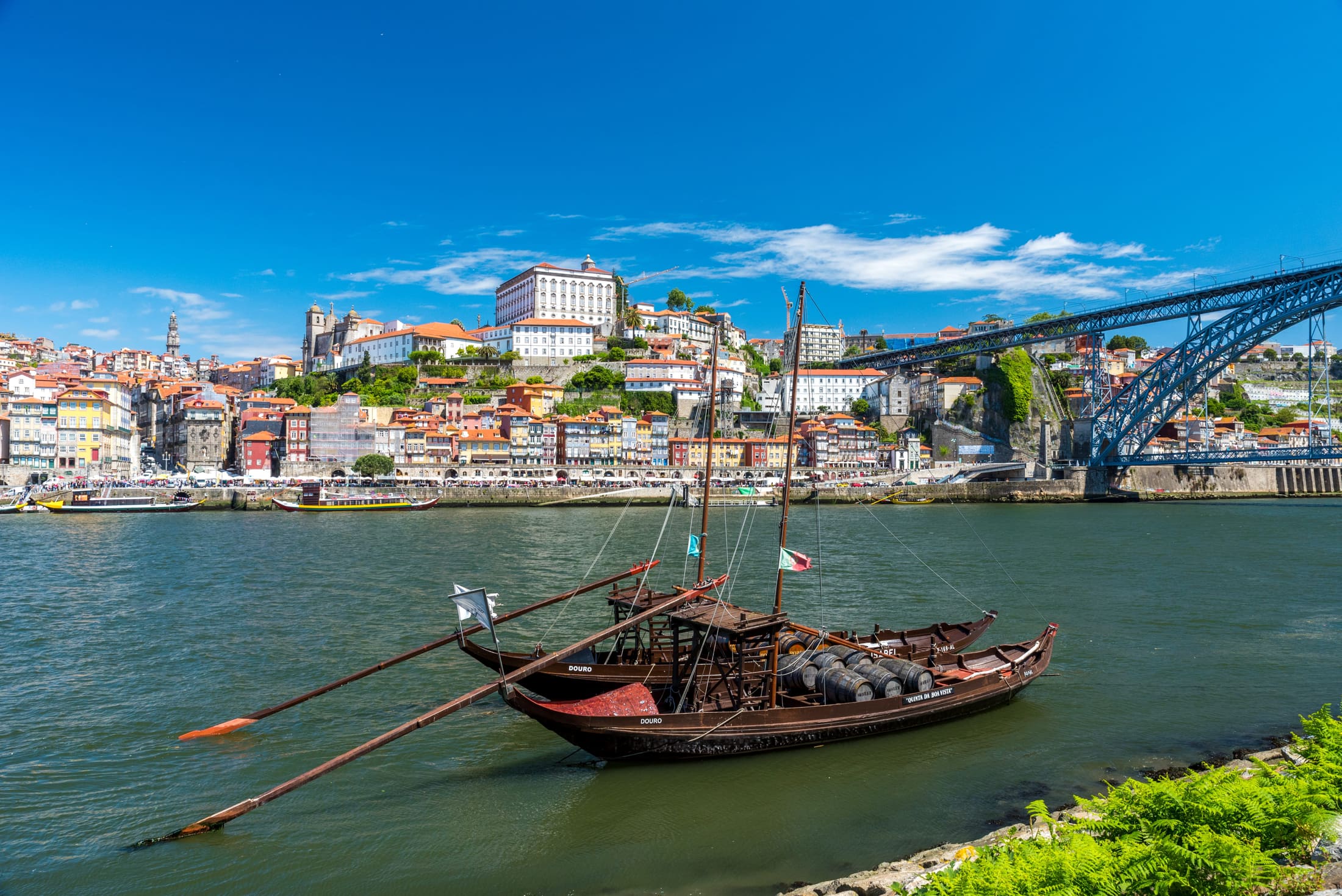
The Douro Valley is the region many travelers picture when they imagine Portugal wine country: steep hills, terraced vineyards, the Douro River, whitewashed quintas, and Port history.
UNESCO lists the Alto Douro Wine Region as a World Heritage Site, inscribed in 2001, and describes a wine-growing tradition of around 2,000 years. VisitPortugal also describes the Douro as the oldest demarcated wine region in the world, with prestige recognized since 1756.
For travelers, Douro is best from Porto. You can visit as a long day trip, but one or two nights in the valley makes the experience calmer. The day-trip version works when you want scenery, one or two tastings, and a river or viewpoint moment. The overnight version works when wine is a real focus and you want dinner, quiet mornings, or time around Pinhao, Peso da Regua, or nearby estates.
Douro is also where transport matters. The roads can be winding, tastings involve alcohol, and distances between wineries are not always obvious from a map. A train ride along the river can be beautiful, but it does not solve the last-mile problem between vineyards.
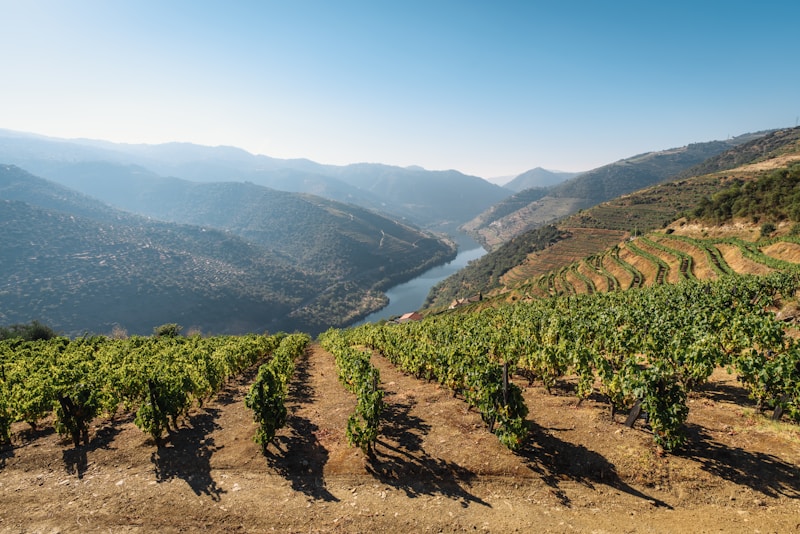
For a private northern wine-country day, Travel-Luck has a Douro Valley By Car tour with confirmed source facts of EUR 575 per tour, 7-8 hours, hotel pickup, English-language support, private car transportation, and a local guide. Winery names, tasting fees, lunch terms, exact route, and river cruise details should be confirmed before booking.
Vinho Verde: cool northern whites and an easy Porto add-on
Vinho Verde sits in the far northwest of Portugal, in the green Minho region. It is not a grape variety. It is a region and style family, best known internationally for light, fresh whites with bright acidity.
VisitPortugal's Vinho Verde route describes a landscape shaped by Atlantic influence, rivers, small plots, and nine subregions. The region works well from Porto, Braga, Guimaraes, Ponte de Lima, or other northern bases.
Vinho Verde is a lovely choice if you want something cooler and greener than Douro. It pairs naturally with seafood, river towns, gardens, manor houses, and a slower northern road day.
Choose Vinho Verde if you like fresh whites, Alvarinho, Loureiro, lighter lunches, and countryside that feels different from the dry drama of Douro.
Alentejo: warm reds, cork oaks, Evora, and slow travel
Alentejo is one of the best Portuguese wine regions for travelers who want space. The landscape opens into cork oak plains, whitewashed villages, hot afternoons, estate wineries, olive oil, hearty food, and towns like Evora, Estremoz, Monsaraz, Reguengos, and Vidigueira.
VisitPortugal's wine routes overview describes the Alentejo Wine Route across plains marked by heat, with traditional wine towns including Borba, Redondo, Reguengos, and Vidigueira. Evora is the natural anchor for many travelers because it combines wine, Roman history, restaurants, and a strong sense of place.
Alentejo works from Lisbon as a long day, but it is better with one or two nights if you want wine to be more than a tasting stop. Summer heat matters here. In July and August, I would keep the rhythm gentle: morning travel, lunch in shade, one strong wine experience, and a quieter evening.
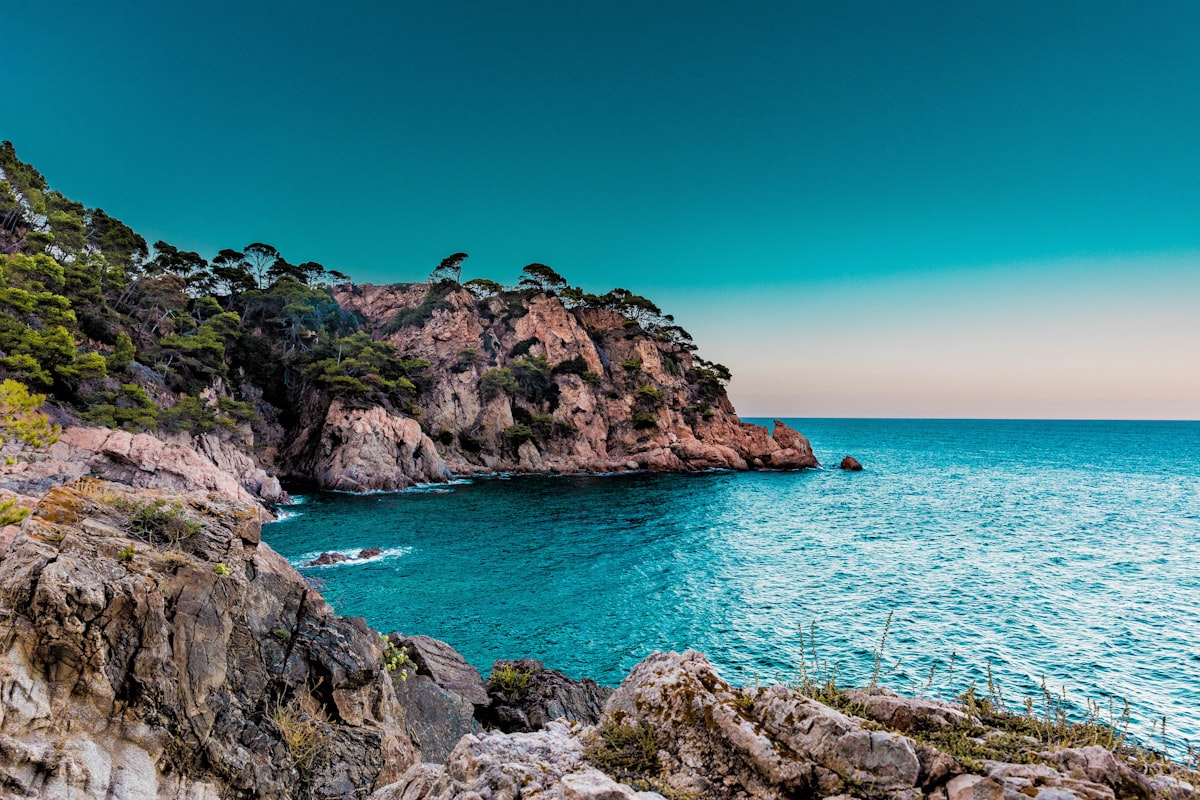
Miguel and Priya, a couple from New York, first asked for "Douro from Lisbon" because they had heard it was the wine region. Their trip had only four nights in Lisbon, no Porto, and a relaxed anniversary dinner already booked. For them, Alentejo made more sense: less transfer stress, better food-and-wine pairing, and a day that did not start with a very early train or flight.
Lisboa and Setubal: the easiest wine regions from Lisbon
If you are staying in Lisbon and do not want to change hotels, look first at Lisboa and Peninsula de Setubal.
The Lisboa wine region runs north and west of the capital, with coastal influence and a wide range of styles. It can pair with Obidos, Torres Vedras, Bucelas, coastal viewpoints, or a slower countryside lunch depending on the exact route.
Setubal sits south of the Tagus and has a very different feel. VisitPortugal notes the beauty of the Setubal Peninsula, the influence of Arrabida, and Moscatel de Setubal as one of Portugal's reputed wines. It is strong for travelers who want wine plus coast, seafood, small towns, and scenery.
Setubal is also good for mixed-interest groups. Not everyone wants three serious tastings in a row. A day with one wine stop, Arrabida views, Azeitao, and lunch can keep the wine lover and the non-wine traveler equally happy.
Dao and Bairrada: central Portugal for quieter wine lovers
Dao and Bairrada are excellent for travelers who like wine but do not need the most obvious route.
Dao sits around Viseu and the central interior, with elegant reds, Encruzado whites, granite soils, and a quieter rhythm. It pairs well with Coimbra, Serra da Estrela, or a north-central road trip.
Bairrada sits closer to the Atlantic between Porto and Coimbra/Aveiro. It is known for Baga reds, sparkling wines, and food pairing, especially the famous suckling pig of the region. VisitPortugal highlights Bairrada's position near Aveiro, Figueira da Foz, and Coimbra, which makes it useful for travelers moving between Porto and Lisbon.
If Douro is the dramatic first impression, Dao and Bairrada are the places for a second conversation. They are less obvious, but that can be exactly the point.
Portuguese Wine Regions by Travel Style
Use this table as a practical Portugal vineyards map for planning. It will not replace a full map, but it gives you the travel logic most maps leave out.
| Region | Best base | Best for | Trip fit | Planning note |
|---|---|---|---|---|
| Douro Valley | Porto, Peso da Regua, Pinhao | Terraced scenery, Port, serious reds, river landscapes | One long day or 1-2 nights | Best with train, private driver, or a clear transport plan |
| Vinho Verde | Porto, Braga, Guimaraes, Ponte de Lima | Fresh whites, Alvarinho, green landscapes | Day trip or northern road loop | Good Porto add-on; book winery visits ahead |
| Alentejo | Evora, Monsaraz, Estremoz, Reguengos | Bold reds, cork oaks, estate stays, slow travel | 1-3 nights | Heat and distances make pacing important |
| Lisboa | Lisbon, Obidos, Torres Vedras | Coastal whites, varied styles, easy Lisbon access | Half-day to full day | Good if you do not want to change hotels |
| Setubal | Lisbon, Azeitao, Palmela, Sesimbra | Moscatel, Arrabida scenery, coast, seafood | Day trip from Lisbon | Strong for mixed wine and scenery days |
| Tejo | Lisbon, Santarem, Tomar | River landscapes, farms, heritage stops | Day trip or Central Portugal add-on | Better with a planned route than a spontaneous visit |
| Dao | Viseu, Coimbra, Serra da Estrela area | Elegant reds, Encruzado whites, quieter tastings | 1-2 nights or central route | Ideal for slower travelers crossing central Portugal |
| Bairrada | Aveiro, Coimbra, Porto | Sparkling wine, Baga reds, food pairing | Half-day to full day | Useful between Porto and Coimbra/Lisbon |
| Madeira | Funchal | Fortified Madeira wine, island landscapes | Island stay | Plan as a separate island segment |
| Pico/Azores | Madalena, Pico Island | Volcanic vineyards, UNESCO landscape, rare island wines | Island stay | Requires Azores-specific planning |
Best for scenery: Douro and Pico
Douro is the easiest scenic wine region to include in a mainland Portugal itinerary. The terraces, river bends, and vineyard viewpoints are immediately rewarding, even for travelers who are not wine experts.
Pico is different. UNESCO's Pico Island Vineyard Culture listing describes volcanic vineyards protected by basalt stone walls and tiny plots called currais. It is one of the most visually distinctive vineyard landscapes in Europe, but it belongs to an Azores itinerary, not a quick mainland add-on.
Best for white wine: Vinho Verde, Dao, Bairrada, and Lisboa
Vinho Verde is the easiest white-wine region for most visitors to understand. It is fresh, northern, and food-friendly.
Dao and Bairrada are better for travelers who want more structure and less obvious choices. Lisboa can also be a useful white-wine region because it is close to the capital and influenced by the Atlantic in many areas.
Best for bold reds: Alentejo, Douro, and Dao
If you like fuller reds, start with Alentejo, Douro, and Dao. Alentejo often feels generous and sun-warmed. Douro can be powerful and structured, with the same landscape that shaped Port production. Dao tends to be more elegant, with freshness and age-worthy structure.
Best for sparkling wine: Bairrada and Tavora-Varosa
Bairrada is the easiest sparkling wine region to add to a route because it sits between Porto, Aveiro, Coimbra, and Lisbon. Tavora-Varosa is smaller and less common in first-time itineraries, but it is important for Portuguese sparkling wine and sits between Douro and Dao.
How to Build a Portugal Wine Itinerary
The best wine itinerary is not the one with the most tastings. It is the one where each wine day fits the trip around it.
If you have one wine day
Choose the region closest to your base.
From Porto, choose Douro if you want the iconic landscape, or Vinho Verde if you want a greener, fresher, less intense day. From Lisbon, choose Setubal, Lisboa, or Tejo if you want an easier day. Choose Alentejo from Lisbon only if you are comfortable with a longer day or can stay overnight.
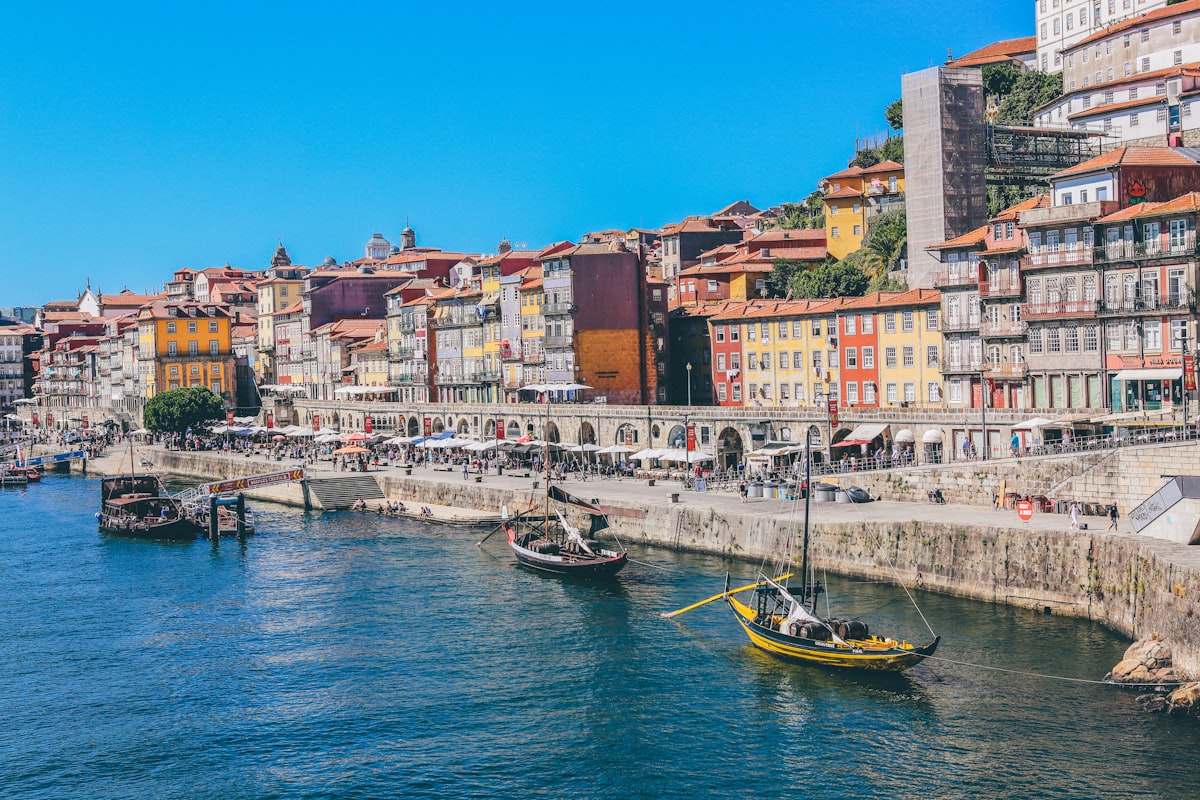
This is also where many travelers benefit from a private driver or private tour. Wine days involve rural roads, timing, reservations, and alcohol. Saving money on transport can make the rest of the day more awkward than it needs to be.
If you have two or three wine days
Give yourself a base. Do not scatter wine stops across Portugal just because they look close on a map.
A good Porto-based version could be:
- Porto and Vila Nova de Gaia cellars.
- Douro Valley day trip or overnight.
- Vinho Verde or Bairrada, depending on your direction of travel.
A good Lisbon-based version could be:
- Lisbon restaurants and wine bars.
- Setubal or Lisboa wine day.
- Alentejo overnight, if you have time.
For more Porto food and wine context, pair this guide with Travel-Luck's Porto wine tour guide and Douro Valley wine tasting guide.
If you want a full Portugal wine route
A full wine route needs more than regions. It needs pacing.
One calm 10- to 14-day wine-focused route could look like this:
- Porto for two or three nights, including Gaia cellars.
- Douro Valley for one or two nights.
- Central Portugal with Dao or Bairrada.
- Lisbon for two or three nights.
- Setubal or Alentejo as a final wine-and-food extension.
That route gives you contrast without making every day a transfer. It also leaves room for non-wine moments, which matters more than wine lovers sometimes expect.
The happiest wine trips usually include one day that is not about wine at all. A morning in Alfama, a Sintra palace day, a beach lunch, or a slow market visit keeps the whole trip from becoming a tasting schedule.
Planning CTA: If you want the route, hotels, tastings, transfers, and restaurant timing to work together, Travel Support is the better fit than a simple list of wineries.
Practical Wine Travel Tips in Portugal
Portugal is generous with wine, but wine travel still needs structure.
Book tastings ahead
Some larger estates have regular visiting hours, but many smaller wineries work by appointment. Lunches, vineyard tours, blending experiences, and harvest activities are especially dependent on advance booking.
Do not build a day around "we will see what is open" unless you are happy with wine bars and shops instead of actual winery visits.
Plan transport before the tastings
This is the least romantic advice in the article, and probably the most important. Rural wine regions are not always easy without a car, but driving after tastings is not a good plan.
Use trains where they genuinely fit, such as parts of the Douro line, but check the last-mile logistics. A station near a wine region does not mean the wineries you want are walkable.
Match the region to the season
Spring is lovely for green landscapes, softer temperatures, and easier pacing. Autumn is beautiful for harvest energy, especially in Douro and many mainland regions, but good experiences can book early.
Summer can be excellent on the coast, in Vinho Verde, or on islands, but inland Alentejo and Douro can be very hot. In winter, wine travel can still work well, especially around Lisbon, Porto, Madeira, and cellar-focused experiences, but rural schedules may be quieter.
Build food into the day
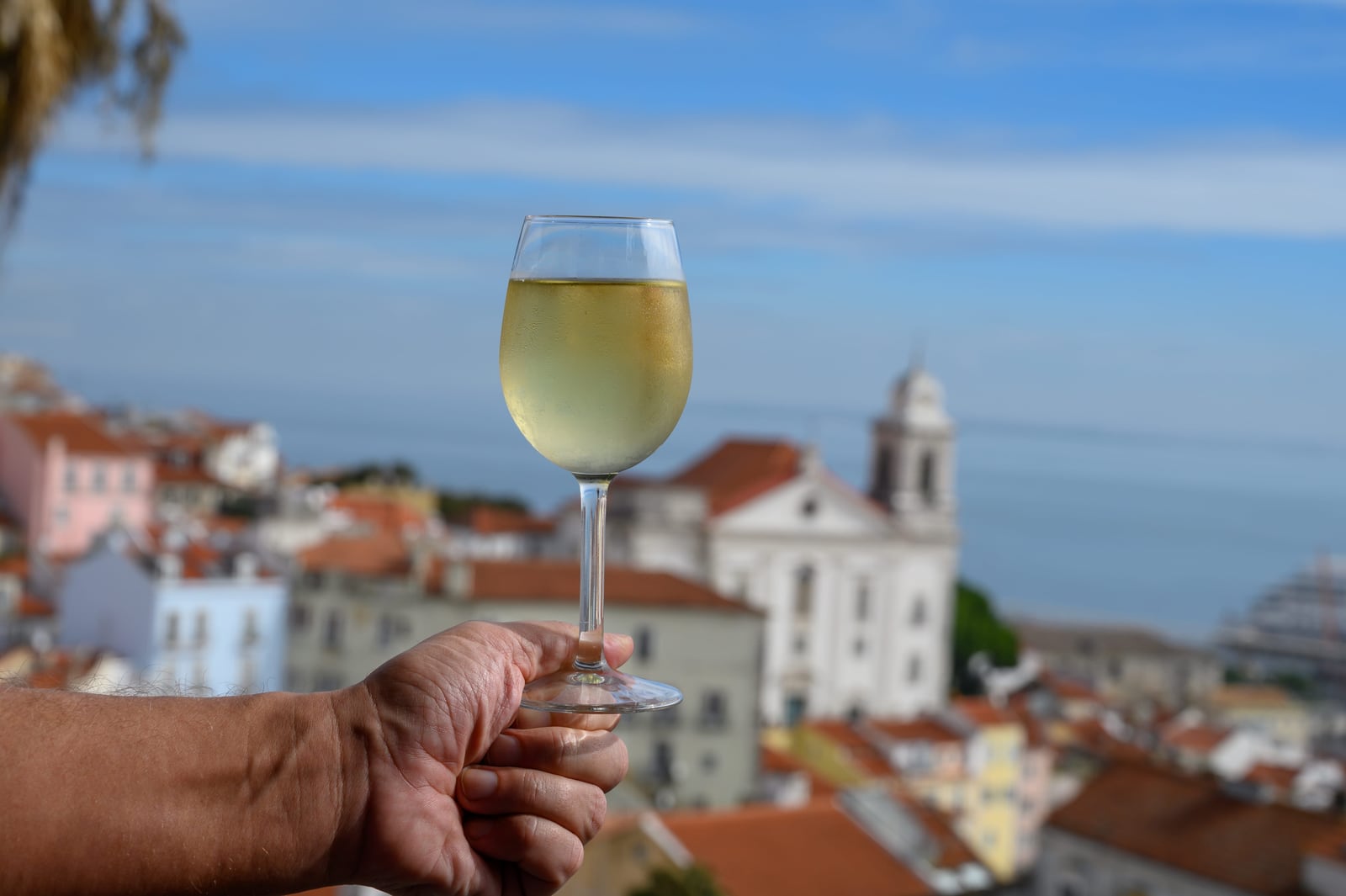
Wine without food is not how Portugal is best understood. Bairrada with leitao, Setubal with seafood, Alentejo with olive oil and slow lunches, Vinho Verde with fish, and Douro with river-view meals all tell you something about the region.
Nina planned a family trip with her parents and two teenagers. Her father loved wine, but the teenagers were not going to enjoy three tastings in a row. We shaped the day around Setubal: one wine stop, coast, lunch, and enough scenery that nobody felt trapped in someone else's hobby. That is usually the difference between a "wine day" and a good travel day.
Leave room for local advice
Maps are useful, but they do not know your group. A couple on a honeymoon, a family with grandparents, and two serious wine collectors should not follow the same Portugal vineyards map.
If you already have a draft and want Julia to check whether it makes sense, use the Travel-Luck services overview to choose the right level of planning support. A lighter review may be enough if the route is mostly built. A custom itinerary is better if the wine regions still feel blurry.
FAQ: Portugal Wine Regions
What are the main wine regions in Portugal?
The main Portugal wine regions for travelers are Douro, Vinho Verde, Dao, Bairrada, Lisboa, Tejo, Setubal, Alentejo, Algarve, Madeira, and the Azores, especially Pico. Wines of Portugal presents 14 broad wine-region groups on its official map, with more specific DOCs and geographical indications inside those areas.
What is the best wine region in Portugal to visit?
Douro is the best Portugal wine region for a first iconic wine-country experience, especially if you are starting in Porto. If you are staying in Lisbon, Setubal, Lisboa, Tejo, or Alentejo may be more realistic. The best region is the one that fits your route without stealing too much time from the rest of the trip.
Is Douro Valley a day trip from Porto?
Yes, Douro Valley can work as a day trip from Porto, especially with a private driver, organized tour, train plan, or carefully arranged route. If wine is a major focus, one or two nights in the Douro usually feels calmer than trying to fit the valley into one long day.
Which Portuguese wine regions are closest to Lisbon?
The easiest Portuguese wine regions from Lisbon are Lisboa, Peninsula de Setubal, and Tejo. Alentejo can also work from Lisbon, but it is better with an overnight stay if you want a slower wine-and-food experience.
Do you need a car for wine travel in Portugal?
You do not always need a car, but you do need a transport plan. Some regions have useful train access, especially between major towns, but wineries are often rural. For tasting-focused days, a private driver, private tour, or carefully arranged transfers can make the day safer and more comfortable.
When is the best time to visit Portugal wine regions?
Spring and autumn are usually the best seasons for Portugal wine regions because temperatures are comfortable and the landscapes are active. Harvest season can be wonderful, but popular wineries and hotels may need early booking. Summer works better with careful pacing, coastal regions, island trips, or shaded lunches.
Is Portugal good for wine travel if I am not a wine expert?
Yes. Portugal is excellent for curious travelers, not only wine experts. The variety is part of the appeal: Port in Douro, fresh whites in Vinho Verde, bold reds in Alentejo, sparkling wines in Bairrada, Moscatel in Setubal, Madeira wine, and volcanic Pico vineyards all offer different ways into the story.
Conclusion: Choose the Wine Region That Fits the Trip
Portugal wine regions are wonderfully varied, but they are not all meant for the same itinerary. Douro is the classic choice from Porto. Vinho Verde is fresher and greener. Alentejo is slower, warmer, and better with space.
Lisboa, Setubal, and Tejo are practical from Lisbon. Dao and Bairrada reward travelers who enjoy quieter central routes. Madeira and Pico belong to island trips, not quick mainland add-ons.
Start with your base city, trip length, season, and comfort with transport. Then choose the wine region.
That approach may feel less dramatic than circling every famous name on a Portugal wine regions map, but it creates better travel days. And that is the real goal: not just tasting wine in Portugal, but building a trip that still feels good when you wake up the next morning.
If you want Julia to shape the route around your dates, interests, and pace, start with Travel Planner. If you want winery appointments, hotels, transfers, and confirmations coordinated too, Travel Support is the more complete option.